
Elos Chestnut Festival: A Local Guide to Crete’s Autumn Harvest Celebration
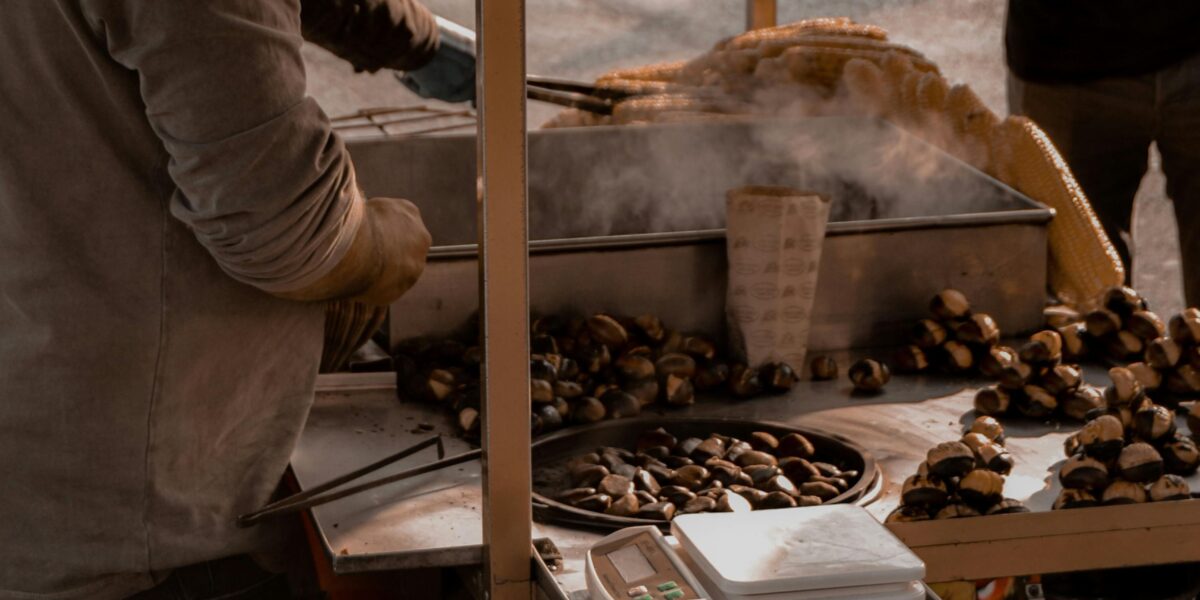
The Elos chestnut festival is the weekend each October when a quiet mountain village in western Crete fills with woodsmoke and music.
Chestnuts crack open over hot coals in the square, and tsikoudia goes around in small glasses. Elos sits at about 560 meters on the road from Kissamos to Elafonisi. Around it grow the largest stands of chestnut trees on the island. For one weekend, the harvest that keeps the village going becomes a public celebration, and anyone who makes the drive is welcome at the table.
The festival follows naturally from the rest of the Cretan autumn. The grape harvest in Crete winds down in early October, and the tsikoudia stills start to light up. Up in the Kissamos highlands, the chestnuts begin to fall. This guide covers what the festival looks like, how the harvest shapes village life, and how to reach Elos. It also covers what to see nearby and how to confirm this year’s dates.
Quick answer: The Elos chestnut festival takes place each October in Elos, a village near Kissamos in western Crete. It usually runs from Friday to Sunday. Evening events take place in the nearby villages of Limni and Vlatos, and the main celebration fills the Elos square on Sunday. Expect free roasted chestnuts, local wine and tsikoudia, Cretan music, and dancing. Dates shift each year with the harvest, so confirm them locally a week or two ahead.
What Is the Elos Chestnut Festival?
The Elos chestnut festival is an annual harvest celebration held each October in Elos, a mountain village about 57 kilometers southwest of Chania in western Crete. Running since the 1960s, it now usually spans a weekend across the neighboring villages of Limni, Vlatos, and Elos. The main day takes place on a Sunday in the Elos village square, with free roasted chestnuts, tsikoudia, Cretan music, rizitika songs, and traditional dancing. Dates change each year with the harvest and are announced only a week or two ahead.
The Municipality of Kissamos organizes the festival together with the communities of Elos and Vlatos. Their cultural associations play a central role, including the Elos, Limni, and Louchi association known as Anagennisi («Renaissance»). That detail matters. This is not a show built for visitors. It is a village marking its most important crop, in the same spirit as the panigyria held on saints’ days. Neighbors cook, serve, and dance alongside their guests.
Elos Chestnut Festival 2026: Dates and How to Confirm Them
Older guidebooks list the festival as the third Sunday of October. In practice, the date moves from year to year. The organizers wait to see how the harvest is going before they set it. Recent editions show the pattern:
- 2019: Saturday, October 26 to Sunday, October 27
- 2021: Friday, October 29 to Sunday, October 31
- 2024: Friday, October 25 to Sunday, October 27
- 2025: Friday, October 24 to Sunday, October 26
For the Elos chestnut festival 2026, no official program had been published at the time of writing in early October. Online event listings disagree, and some still show dates carried over from earlier years. Regional day trips from Heraklion are being planned around Sunday, October 25, 2026. That date fits the late-October pattern of the last two years. Still, treat it as likely rather than confirmed.
To confirm the date, check these sources in the week or two before you travel:
- The Municipality of Kissamos, which publishes the official program
- Local news outlets in Chania, which usually carry the announcement
- The cultural associations of Elos and Vlatos on social media
- Your host, or a taverna in Elos or Kissamos, since locals hear first
If your travel dates are fixed, plan a few nights in western Crete across the last two weekends of October. Then keep the festival day itself flexible.
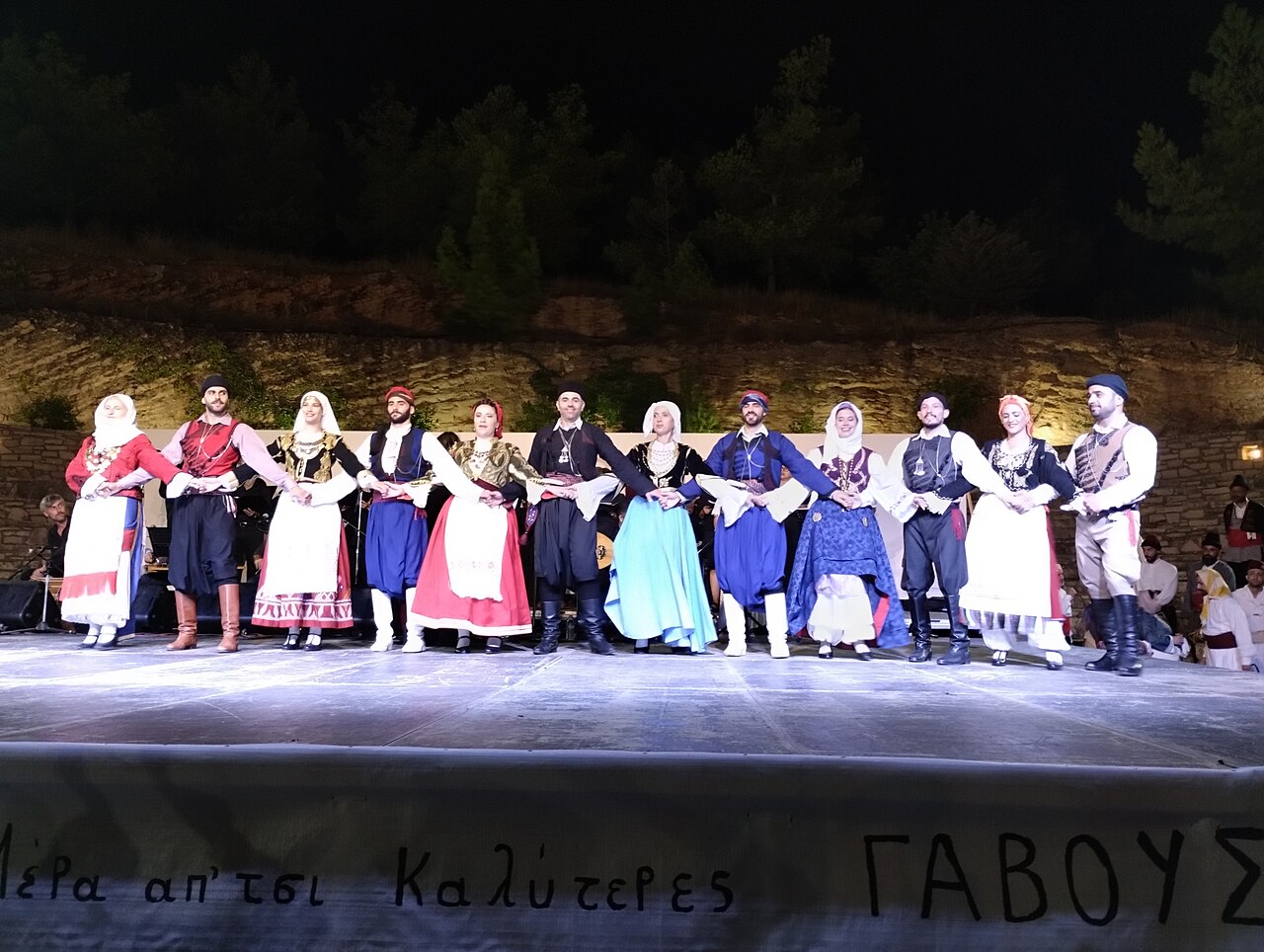
Dancers in traditional Cretan costumes during the 2022 Gavoustima folk festival in Farangiana, Sokaras, Crete. Photo by Pavlos1988, via Wikimedia Commons, licensed under CC BY-SA 4.0. No changes made.
What the Festival Actually Looks Like
In recent years the festival has followed a three-day shape. It moves between the Limni, Elos, and Vlatos villages before settling in Elos for the main day. Each part has its own feel.
Friday and Saturday Evenings in Limni and Vlatos
The weekend usually opens on Friday evening in the old primary school of Limni, a small village just below Elos. A Cretan chef often presents recipes built around the chestnut, both new and traditional. The evening closes with live music and food shared among everyone in the room. On Saturday evening, the program tends to move to the parish center in Vlatos, a few kilometers north. Expect a talk or a short film on local life, followed by more music.
These evenings are smaller and more local than the Sunday. They show how the villages see their own harvest, and you will often be one of very few visitors there.
Sunday in the Square at Elos
The main day of the Elos chestnut festival begins in the late morning, usually around 11:30. It takes place in the plane-shaded square at the heart of the village. Officials say a few words, and someone gives a short talk about the chestnut. Then the program turns to the people who live here. Children from the Elos primary school often perform a short play, and local singers and dance groups take their turn.
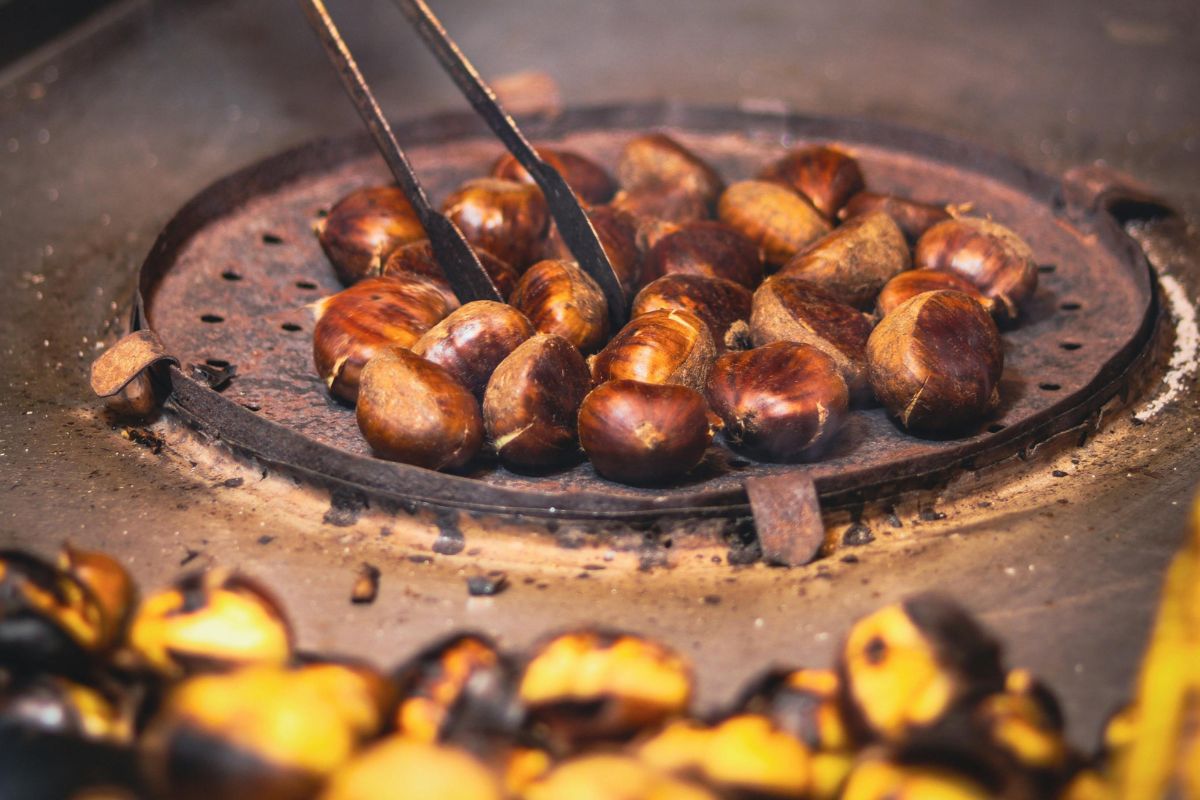
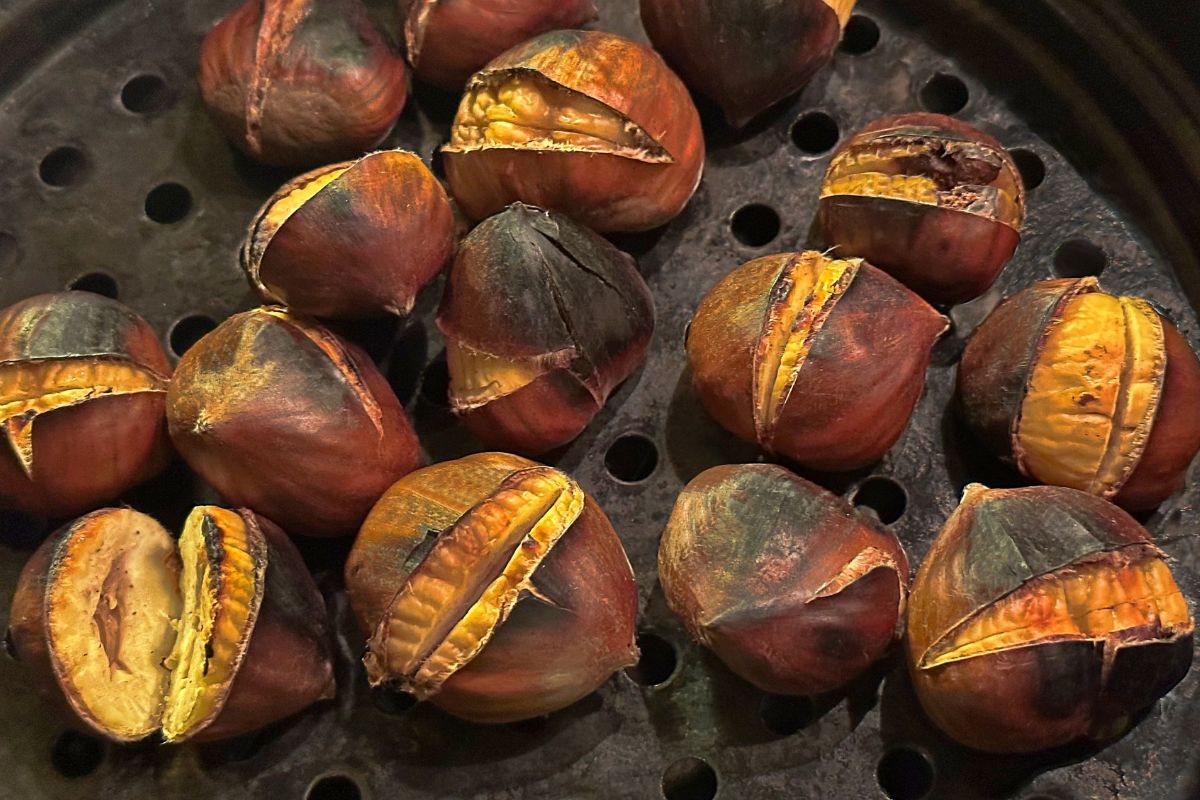
Around the edges of the square, braziers and perforated pans sit over charcoal. Volunteers roast chestnuts by the sackful and hand them out in paper cones. Stalls sell chestnuts by the kilo, along with honey, cheese, and mountain herbs. By early afternoon the tables under the trees are full of families from across Kissamos and Chania. The music carries on well into the evening.
Rizitika, Lyra, and the Dancing Circle
Music sits at the center of the day. Western Crete has its own song tradition called rizitika, named for the «roots» (riza) of the White Mountains. A local rizitika group often sings during the official program. These songs are slower and older in feeling than dance music. Hearing them in a mountain square is one of the clearest ways to understand the region’s character.
Once the formal part ends, the lyra and laouto take over, and the dancing begins. Circle dances like syrtos and pentozali form and re-form for hours. Our guide to Crete’s traditional instruments explains the lyra and laouto in more depth. Visitors are welcome to join a slower dance. Stand near the end of the line and follow the person beside you.
What to Eat and Drink
The roasted chestnut is the heart of the festival, but it is far from the only thing on the table.
- Roasted chestnuts (kastana psita): scored with a small cut, roasted over charcoal, and handed out warm. Peel them while hot, when the inner skin comes away easily.
- Boiled chestnuts: softer and sweeter, common at the evening events and in village homes all season.
- Chestnut dishes: the chef-led evening in Limni usually includes stews and sweets made with chestnuts. In local kitchens, chestnuts often cook slowly with meat in autumn stews.
- Local wine: usually young red wine from village producers, poured from jugs.
- Tsikoudia: Crete’s grape spirit, offered freely in small glasses. October is the start of distilling season, so some of it may be very new.
- Mezedes: cheese, olives, rusks, and grilled meat from the tavernas around the square.
The tavernas in Elos stay busy all day, and some serve chestnut dishes only during the harvest. Our guide to traditional Cretan food explains the wider island table. Our overview of the herbs that grow wild across Crete shows where many of its flavors come from.
The Chestnut Harvest in Crete and Village Life
Chestnuts grow mainly in western Crete. Higher rainfall, cooler mountain air, and deep soils suit the trees here. Elos and the villages around it form an area known as Innachori, the «Nine Villages,» and this is the center of production. The chestnut harvest in Crete runs from about mid-October into early November. For Elos, it is not a side activity. Chestnuts are the village’s main product, and Elos has its own packing facility where the crop is sorted for sale.
The Elos Chestnut Forest
The Elos chestnut forest covers the slopes of Mount Agios Dikaios above the village. Plane trees line the streams that run through it. Elos sits near the source of the Tyflos River, and its many springs keep the valley green and cooler than the coast. Some of the chestnut trees are very old, with broad, split trunks that show generations of care.
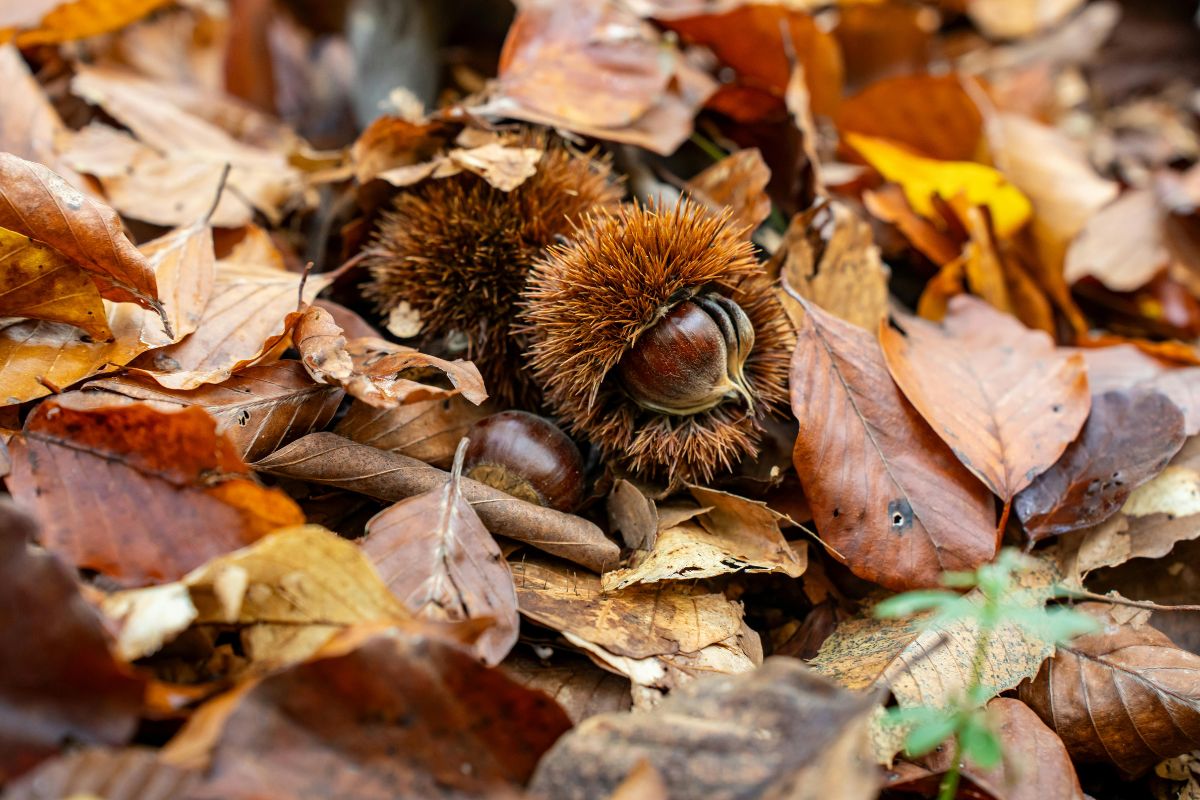
In late October the forest turns from green to gold and brown. Spiky husks cover the ground. A walk under the trees at this time of year, with the smell of damp leaves and woodsmoke from the village, explains the festival better than any program.
From Tree to Table
The harvest is hands-on work. Chestnuts drop as they ripen, not all at once, so families gather them over several weeks. They split the spiny husks, collect the nuts in sacks, and carry them down to the village for sorting. Much of this still happens the way it has for decades. Relatives and neighbors help each other through the busiest days.
For many households, chestnuts, olives, and livestock together keep the family on the land. In that sense, the festival is a public thank you for the crop that holds these villages together. Our article on traditional farming in Crete looks at this way of living with the land across the island.
Getting to Elos Village, Crete
Elos village, Crete, belongs to the Municipality of Kissamos in the Chania region. It lies on the main road from the north coast to Elafonisi. The village is about 23 kilometers south of Kissamos and about 57 kilometers from Chania. A car gives you the most freedom, especially on festival day.
From Chania
Take the national road west toward Kissamos. Before Kissamos, turn south at the signs for Topolia, Elos, and Elafonisi. The road climbs through olive groves and the Topolia Gorge into chestnut country. Allow about 75 to 90 minutes without stops. A newer road now bypasses the narrowest part of the gorge and its single-lane tunnel. Follow the road signs, since navigation apps do not always show it. Our Crete road trip itinerary shows how western Crete fits into a longer route.
From Kissamos
From Kissamos, also called Kastelli, the drive south to Elos takes about 30 to 40 minutes. The road winds steadily uphill. Kissamos makes a practical base for the festival weekend. It has more places to stay than the villages and sits close to both the coast and the mountains.
KTEL buses run between Chania, Kissamos, and Elafonisi and pass through Elos. In late October, though, the timetable is limited and may not suit an afternoon festival. Check the current schedule first, and consider a taxi from Kissamos for the return.
Parking and Timing on Festival Day
Elos is small, and its one main road fills quickly on the Sunday. Parking is informal, along the road on either side of the square.
- Arrive before 11am to park nearby and catch the official program.
- Expect slow traffic leaving the village in the late afternoon.
- Bring cash, since card machines are rare at village stalls.
- Pack a warm layer. Late October evenings at 560 meters are much cooler than on the coast.
- Drive back in daylight if you are not used to mountain roads.
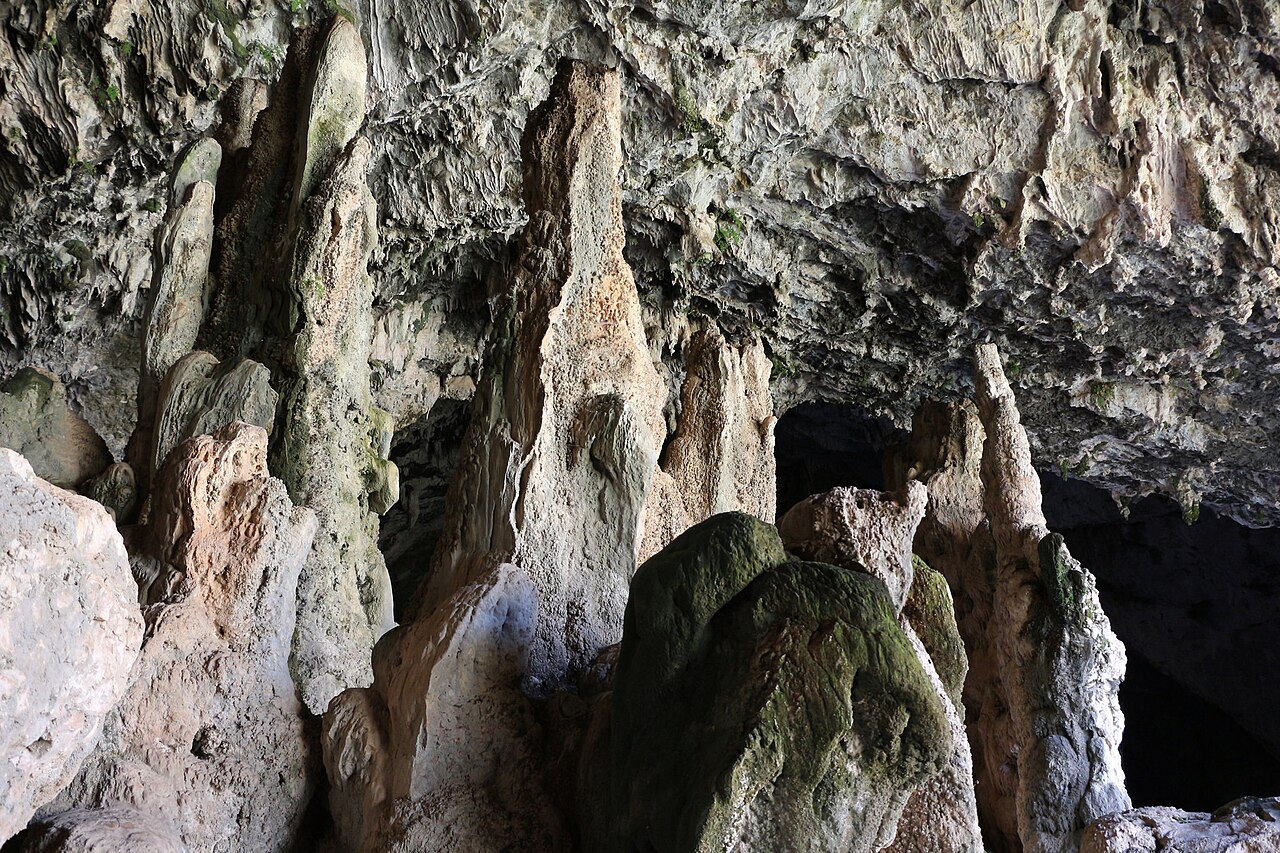
Photo: Cave of Hagia Sophia in Crete by Przemek Pietrak, licensed under CC BY-SA 3.0. No changes were made.
What to Do Around the Festival
A festival day pairs well with a slower look at the surrounding area. Many of these places deserve a visit in their own right.
Walk the Chestnut Forest
There are no marked visitor trails. Still, country roads and farm tracks lead uphill from the village into the trees within a few minutes. A short walk on the festival morning, before the square fills, shows the Elos chestnut forest at its autumn peak. Stay on the tracks and leave the fallen nuts where they lie. They belong to the families who own the groves.
Limni, Vlatos, and Milia
Limni sits just below Elos and hosts part of the festival weekend. Vlatos, a few kilometers north, is a quiet village of stone houses among olive and chestnut trees. Above it lies Milia, a 17th-century settlement that was abandoned and later restored by local descendants in the 1990s. Today it runs as a mountain guesthouse on solar power. Its restaurant cooks with produce from its own land and is worth a meal even without an overnight stay. Follow the wooden signs from Vlatos rather than GPS.
Topolia Gorge and the Cave of Agia Sofia
The road to Elos runs through the Topolia Gorge, where limestone walls rise steeply on both sides. Near the narrowest point, steps climb from the road to the Cave of Agia Sofia. Inside the large cave stands a small chapel that is still used for worship. Allow 30 to 45 minutes for the stop. Our guide to the gorges of Crete covers this kind of landscape across the island.
A Stop in Kissamos
Kissamos is the market town for the whole region and a good place to break the drive. Walk the seafront and eat at a fish taverna. Then visit the archaeological museum in the old Venetian governor’s building on the main square. It holds Roman mosaics from the ancient city that lies beneath the modern town. Kissamos port is also where boats leave for Balos Lagoon, though most boat trips end their season in October.
The Kissamos mountain villages follow the same seasonal rhythm as Elos. They include Polyrrinia above the town and Sirikari, another chestnut village. Our guide to Crete’s traditional villages has more ideas for slow days inland.
Elafonisi and Chrysoskalitissa
Elafonisi lies about 25 minutes south of Elos. In late October its pink-tinged sand is far quieter than in summer. On the way, the Chrysoskalitissa Monastery stands on a rock above the Libyan Sea, dedicated to the Virgin Mary. Combining both with the festival makes for a long day. Many visitors save them for the Saturday or the Monday instead.
How to Be a Good Guest at the Festival
The Elos chestnut festival belongs to the people who live here. A few habits help visitors fit in.
- Accept what is offered. Chestnuts, wine, and tsikoudia are given freely. A small taste is always fine.
- Respect the program. Stay quiet during speeches, rizitika songs, and the children’s play.
- Ask before close-up photos. A wide shot of the square is fine. A portrait of a singer deserves a quick nod first.
- Join the dancing if invited. No one expects you to know the steps.
- Buy something local. A bag of chestnuts or a jar of honey supports the families behind the harvest.
- Leave the groves alone. The trees and fallen nuts are private property, even when the land looks open.
Where the Chestnut Festival Fits in Crete’s Autumn
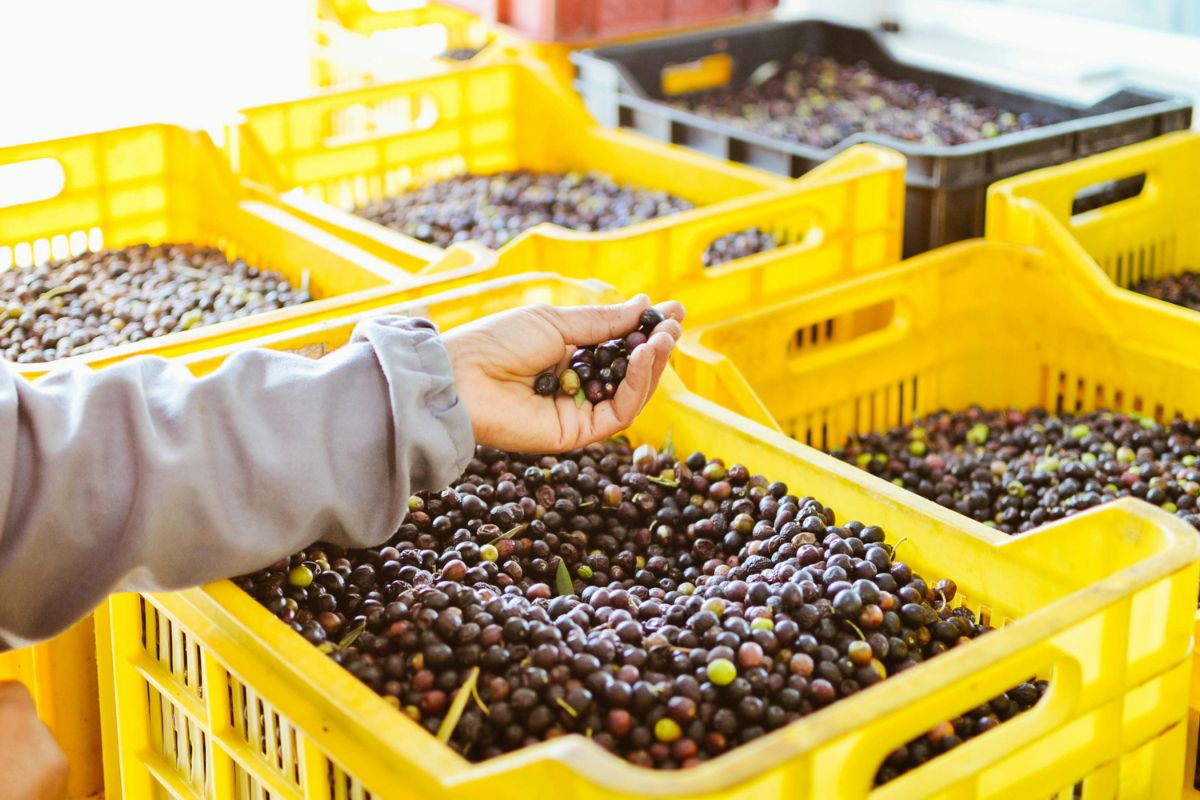
The Elos event is the best known chestnut festival in Crete, but it belongs to a longer season of harvest celebrations. Among the autumn festivals in Crete, it follows the grape harvest and the first tsikoudia stills. It comes just before the olive harvest of November and December. Our overview of autumn in Crete covers this whole stretch of the year.
Marking the turn of the seasons through what the land gives is one of the oldest habits on the island. Bronze Age Cretans shaped their religious year around planting, harvest, and renewal. They often honored a female figure linked to the fertility of the land. Our article on the Minoan sacred year explores that older calendar. A village square full of families giving thanks for a good harvest is a modern echo of the same instinct.
Conclusion
The Elos chestnut festival is one of the most genuine village celebrations in western Crete. It brings together roasted chestnuts, young wine, tsikoudia, rizitika songs, and dancing, hosted by the communities of Elos, Limni, and Vlatos. The festival usually falls on a late-October weekend, with the main day in the Elos square on Sunday. The date moves with the crop, so confirm it locally before you travel. Arrive early, walk the chestnut forest while the square is still quiet, and leave time for Topolia, Kissamos, or Elafonisi.
For travelers drawn to Crete’s living traditions, the festival shows how a mountain village lives with its land. Elissos can help shape a private western Crete route around harvest season, with time for village festivals, sacred places, and local tables. Our guide to the best time to visit Crete is a useful next step for choosing your dates.
Frequently Asked Questions
When is the Elos chestnut festival in 2026?
The official 2026 program had not been announced in early October. In recent years the festival has run over a late-October weekend. Regional day trips are currently planned around Sunday, October 25, 2026. Confirm the date with the Municipality of Kissamos or local sources a week or two before you travel.
Where is Elos in Crete?
Elos is a mountain village in the Kissamos municipality of Chania, in western Crete. It sits at about 560 meters on the main road to Elafonisi. The village is roughly 23 kilometers south of Kissamos and 57 kilometers from Chania.
What happens at the Elos chestnut festival?
The main Sunday brings free roasted chestnuts, local wine and tsikoudia, rizitika songs, and performances by local children and dance groups. Live Cretan music and dancing continue into the evening. Smaller evening events with chestnut recipes and music usually take place in Limni and Vlatos beforehand.
Is the Elos chestnut festival free?
Yes. Entry is free, and roasted chestnuts and tsikoudia are offered to everyone. Taverna meals and stall products are paid for separately, so bring cash.
How do I get to Elos without a car?
KTEL buses run from Chania and Kissamos toward Elafonisi and pass through Elos, but autumn schedules are limited. Many visitors take the bus to Kissamos and a taxi from there. Organized day trips also run from Chania and Heraklion on the main festival day.
When is chestnut season in Crete?
The chestnut harvest in Crete runs from about mid-October into early November. It centers on the mountain villages of western Crete, around Elos, Kissamos, and Kandanos.
Can I combine the festival with Elafonisi?
Yes. Elafonisi is about 25 minutes south of Elos. Visit the beach in the morning and reach Elos by early afternoon. You can also save Elafonisi for the day before or after, since festival traffic can slow the road.
Are there other chestnut festivals in Crete?
Elos hosts the main chestnut festival in Crete. Other villages in the Kissamos and Selino areas mark the harvest in smaller ways. Some local panigyria in chestnut country also serve roasted chestnuts in season.