
Crete in October: A Guide to Weather, Sea, and Island Life
Crete in October is a good choice for most travelers, above all in the first two weeks of the month.
The days are warm rather than hot, the sea still holds most of its summer heat, and the island settles back into its own rhythm once the crowds of August have gone home. What changes is the margin for error. A few rainy days arrive as the month goes on, the evenings get shorter, and some beach businesses begin to close.
That small trade is exactly why many people who know Crete well choose this month. October sits between two seasons. The last grapes come in from the mountain vineyards, the raki stills are cleaned and fired up, and the chestnuts start to fall in the villages of the west. This guide gives you the real numbers first. Then it walks through early, mid, and late October, what stays open, and what is happening on the island while you are here.
Quick answer: October is a good time to visit Crete. Expect daytime highs in the low to mid 70s °F (22 to 25°C), a sea warm enough to swim in through most of the month, four to six rainy days that tend to fall in the second half, and about 11 hours of daylight. Towns, archaeological sites, and most restaurants stay open, while some beach bars, boat trips, and resort hotels wind down as the month ends.
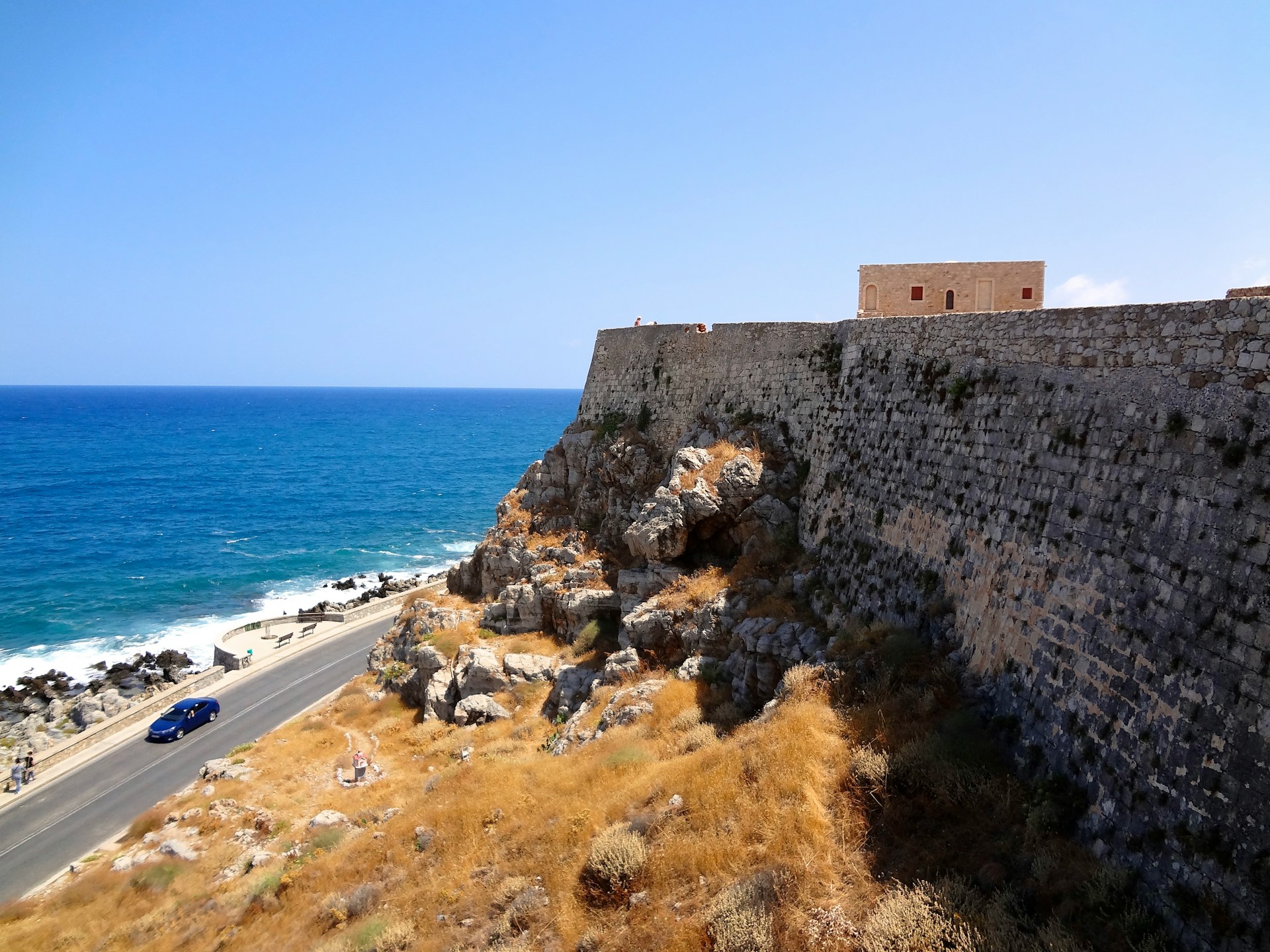
Photo by Igor Ladigin on Unsplash
Is October a Good Time to Visit Crete?
Yes, October is a good time to visit Crete, and the first half of the month is the most reliable. Average daytime highs reach 73 to 75°F (23 to 24°C), the sea stays around 73 to 75°F (23 to 24°C) in early October, and rainfall is light, with about four to six rainy days that mostly fall late in the month. Archaeological sites, museums, town hotels, and most restaurants remain open, and crowds are far smaller than in July and August.
The longer answer depends on what you want from the trip. For swimming, the first two weeks are the safer bet. For walking, Minoan sites, food, and village life, the whole month works, and late October has its own reasons to come, from the chestnut harvest to the start of raki season. Crete is the most southerly large island in Greece, so it holds on to summer longer than the Cyclades or the Ionian islands. If you are still choosing between months, our guide to the best time to visit Crete compares the whole year.
Crete in October Weather: The Real Numbers
Crete in October weather is mild, mostly dry, and cooling slowly from week to week. The change across the month is gradual, but you feel it. The first days of October can pass for summer, while the last days bring cool evenings and the first real rain since spring.
| Early October (1 to 10) | Mid-October (11 to 20) | Late October (21 to 31) | |
| Daytime high | 77 to 79°F (25 to 26°C) | 73 to 75°F (23 to 24°C) | 70 to 72°F (21 to 22°C) |
| Night low | About 64°F (18°C) | About 61°F (16°C) | About 59°F (15°C) |
| Sea temperature | About 75°F (24°C) | About 73°F (23°C) | About 71 to 72°F (22°C) |
| Rain | Rare | Occasional showers | Most of the month’s rain |
| Sunset in Heraklion | About 7:00 pm | About 6:45 pm | About 6:30 pm, then 5:30 pm after the clocks change |
These figures are typical averages for the north coast. Individual years can run a few degrees warmer or cooler, and the south coast is usually a little warmer and drier.
Crete October Temperature
The average Crete October temperature sits at a daytime high of about 73 to 75°F (23 to 24°C), with nights around 61 to 63°F (16 to 17°C). That is comfortable walking weather, warm enough for short sleeves in the afternoon and cool enough to sleep well without air conditioning. Late-month warm spells sometimes push afternoons back toward 80°F (27°C), mainly on the south coast.
Altitude changes the picture. Mountain villages such as Anogia, the Lasithi Plateau, or the chestnut villages around Elos can feel 10 to 15°F cooler than the coast, and evenings there call for a sweater by mid-month.
Rain, Wind, and Sky
October is when the rain returns, but it rarely settles in. Most years bring four to six rainy days, often as short, heavy showers or thunderstorms that pass within a few hours. Between them, you can expect six to eight hours of sunshine a day and long stretches of clear weather. After a storm, the air turns very clear, and the mountains look close enough to touch.
The trade-off is that autumn storms can be strong. A heavy downpour can close a gorge, cut a dirt road for a day, or cancel a boat trip. It rarely ruins a trip, but it is a good reason to keep one or two days of your plan flexible.
Shorter Days and the Clock Change
Daylight drops from just under 12 hours on October 1 to under 11 hours by the end of the month. Greece also moves the clocks back one hour on the last Sunday of October (October 25 in 2026). After that, the sun sets around 5:30 pm. On a road trip, this matters more than the temperature. Plan longer drives on mountain roads so you are down before dark.
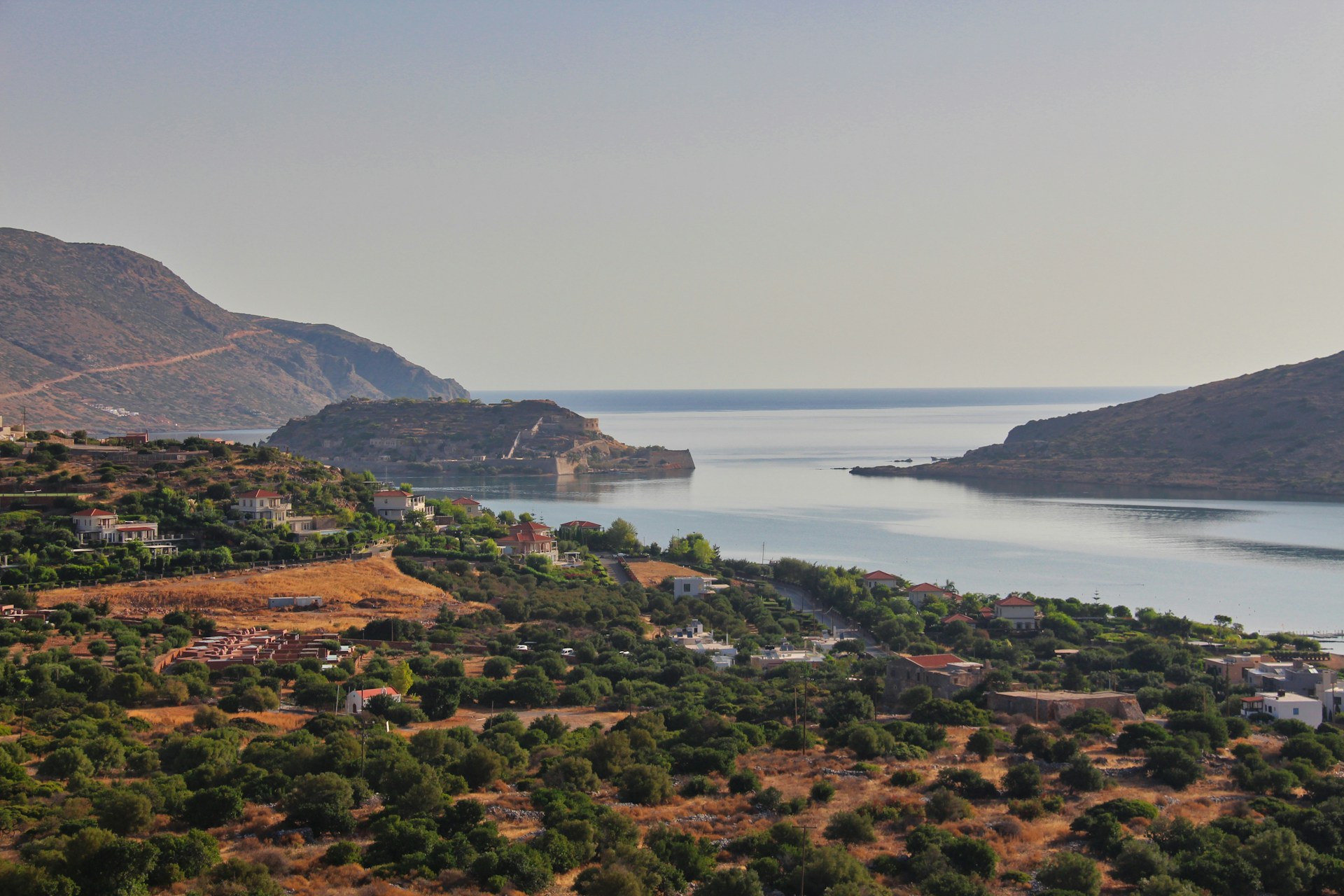
Photo by Nabih El Boustani on Unsplash
Can You Swim in Crete in October?
Yes, you can swim in Crete in October, and many people find the water at its best now. The sea warms slowly over the summer and cools slowly in autumn. That lag means the water in early October, at about 75°F (24°C), is often as warm as it is in early July. By late October, it drops to around 71 to 72°F (22°C). That still feels fresh but pleasant to most swimmers on a sunny afternoon.
A few things change at the beach as the month goes on:
- The south coast is calmer and warmer. The Libyan Sea is more sheltered from north winds, so bays around Plakias, Matala, and Agia Galini often stay swimmable into November. Our south Crete travel guide covers this side of the island in more depth.
- The north coast reacts to the wind. After a storm, waves and currents can make northern beaches unsafe for a day or two. Watch for red flags and local advice.
- Services thin out. Sunbeds, beach bars, and lifeguards become rare after mid-month. Swim where others are swimming, and keep to sheltered water.
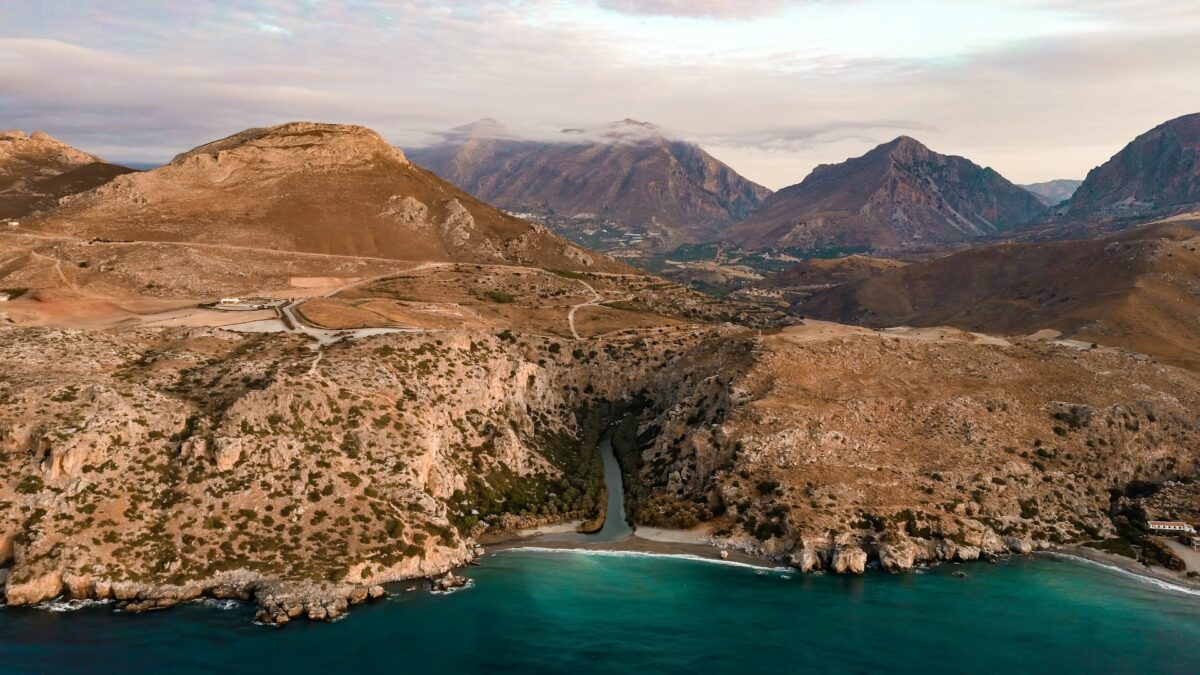
Some of the island’s best-known beaches become quiet enough to enjoy properly in October. Preveli Beach, with its river and palm grove, is a good example, though the walk down and back feels much easier in autumn than in August.
Early, Mid, and Late October in Crete
The island changes enough between October 1 and October 31 that travelers often ask about each part of the month on its own. Here is how the three phases compare.
Early October Crete: Summer’s Final Stretch
Early October Crete feels like a continuation of September. The sea is at its warmest for the month, most beach services are still running, and boat trips to Balos, Gramvousa, and Spinalonga keep their schedules. Afternoons are warm enough for a full beach day, and rain is unusual. If your trip centers on swimming and long days outside, this is the part of October to choose. Our guide to Crete in September covers the weeks just before.
This is also the busiest part of the month. Crowds are far lighter than in August, but popular sites and beaches still have a steady flow of visitors.
Mid-October: The Quiet Turn
The second and third weeks of October offer what many travelers consider the best balance on the island. The days are still warm, the sea is still swimmable, and the crowds drop noticeably. Some beach bars and water sports centers close around mid-month, and tavernas in resort villages start shorter hours. In towns and inland villages, nothing much changes.
This is an excellent window for walking, wine and food, and unhurried visits to Minoan sites. You can look into the Throne Room at Knossos without a tour group pressing behind you, then spend the afternoon on a quiet beach.
Late October Crete: Harvest Season and Cooler Evenings
Late October Crete is a different kind of trip. Rain is more likely, evenings call for a jacket, the clocks change, and many resort hotels close their doors around the end of the month. The Samaria Gorge season also comes to an end. Beach days are still possible, but they depend on the weather.
In return, the island’s autumn life comes into view. Chestnuts are roasting in the western villages, raki stills begin to run, the first olives are picked, and October 28 brings one of the year’s main national holidays. If you are interested in food, culture, and village life more than sunbathing, late October can be the most rewarding part of the month. Base yourself in a town such as Chania, Rethymno, or Heraklion, where everything stays open.
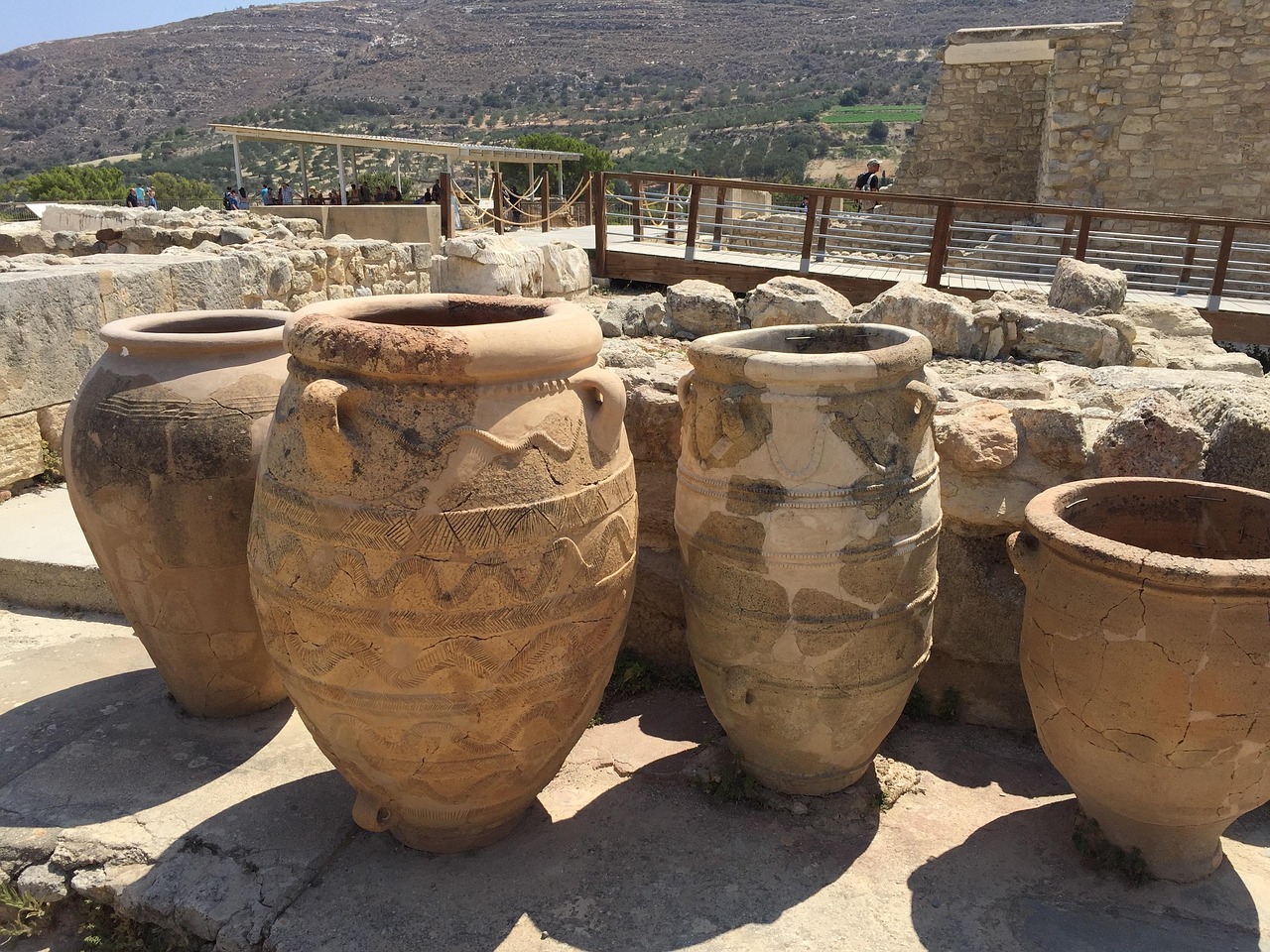
Image by Thomas Schöftner from Pixabay
Is Crete Open in October?
Yes, Crete is open in October. It is a working island of more than 600,000 people, not a summer-only resort, and its towns stay lively all year. Heraklion, Chania, Rethymno, and Agios Nikolaos run as normal through the autumn and winter.
What Stays Open
- Archaeological sites and museums, though opening hours start to shorten toward the winter schedule at the end of the month. Check current hours before you go.
- Restaurants, cafes, and tavernas in towns and inland villages.
- Supermarkets, pharmacies, car rental agencies, and gas stations across the island.
- KTEL buses, on reduced autumn timetables.
- Ferries from Piraeus to Heraklion and Chania, and flights from Athens, all year.
What Starts to Close
- Beach bars, sunbed rentals, and water sports, mostly from mid-October.
- Boat excursions to Balos, Gramvousa, and other islets, which taper off and usually end late in the month.
- Large resort hotels, many of which close at the end of October or in early November.
- Seasonal tavernas in purely tourist villages.
- Some direct international flights, which often end with the summer schedule in late October. Check your route before booking dates at the very end of the month.
Samaria Gorge Closing for the Season
The Samaria Gorge usually opens in May and closes for the season around the end of October. The national park authority sets the exact dates each year, and it can close the gorge at any time if heavy rain raises the risk of flash floods or rockfall. Autumn storms make this more likely in October than in summer. In 2026, for example, the gorge closed on October 1 after a severe weather warning and remained closed for inspections in mid-October.
If Samaria is the main reason for your trip, plan it for May through September, and confirm its status the day before. In October, the Imbros Gorge is an easier, shorter walk near Sfakia that stays accessible outside the Samaria season, weather permitting.
Is Crete Busy in October?
No, Crete is not busy in October compared with summer. The first week still sees a steady flow of visitors, mainly at Knossos, Elafonisi, and the old harbors of Chania and Rethymno. After mid-month, the numbers fall sharply. Cruise ship days can still bring short bursts of visitors to Heraklion and Chania, and some northern European autumn school holidays fall in the last week of October, which briefly fills family resorts on the north coast.
The simplest rule still applies: arrive at major sites when they open. In October, that usually means having Knossos almost to yourself for the first hour.
What Changes on the Island in October
Most guides to Crete in October stop at weather and crowds. Yet this is one of the most interesting months on the Cretan calendar, because so much of village life follows the harvest. Here is what is happening around you.
The Tail End of the Grape Harvest
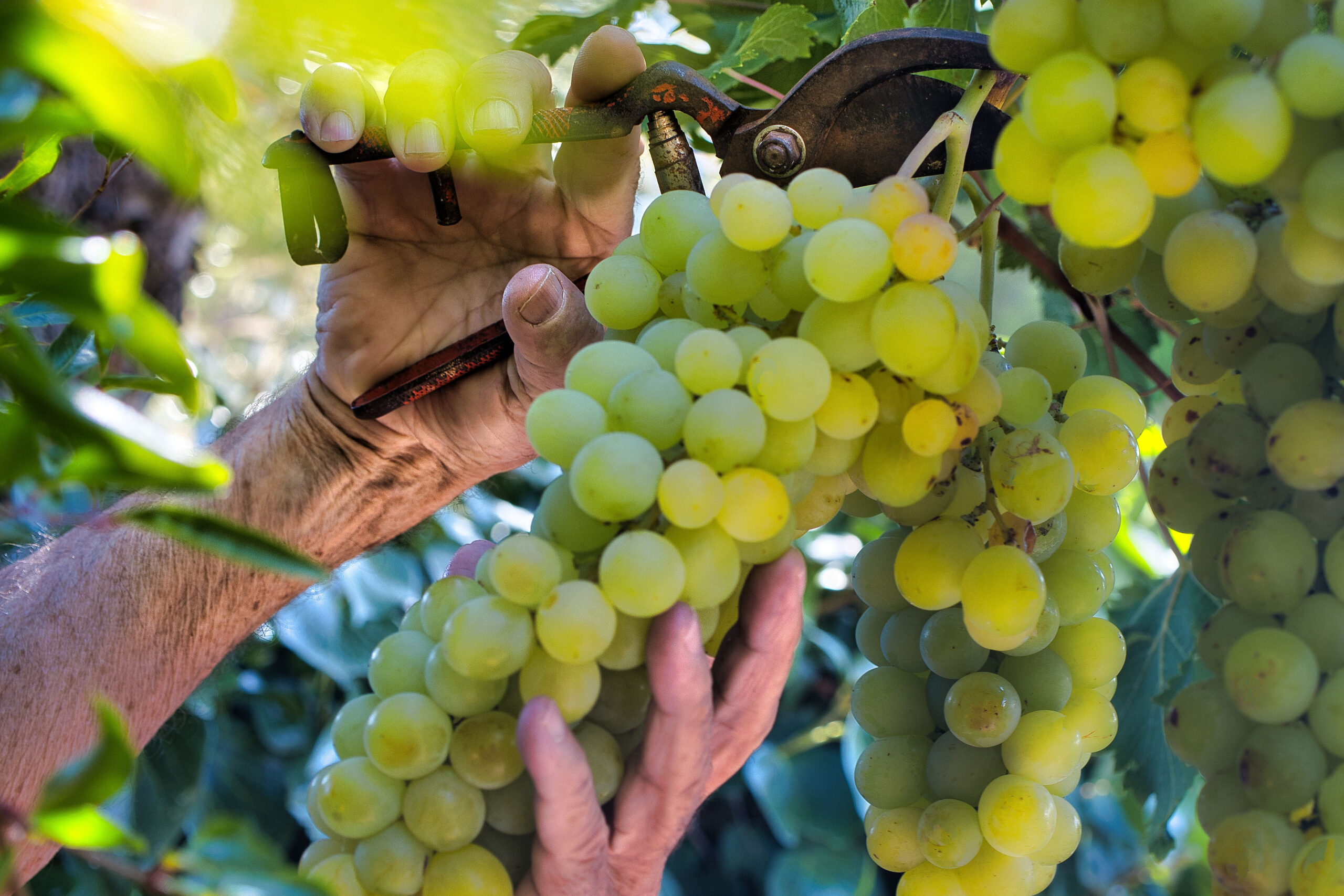
The grape harvest in Crete begins in August and peaks in September. By early October, only the higher mountain vineyards are still being picked. Wineries are busy with fermenting must and new wine, and many still welcome visitors by appointment. Ask at your hotel or a local winery which producers are open for tastings that week.
Raki Season Begins
Once the grapes are pressed, the leftover skins, seeds, and stems ferment for several weeks. From late October into November and December, licensed village distillers fire up their copper stills (kazania) to turn this into tsikoudia, the clear grape spirit most visitors know as raki.
The first distilling days, called kazanemata, are social occasions. Friends and neighbors gather around the still with bread, cheese, olives, and potatoes baked in the embers, and the new raki is passed around while it is still warm. These are private gatherings, not public events. If your host or a local friend invites you, though, say yes.
Chestnuts and the Elos Festival
In the mountain villages of western Crete, the chestnut harvest runs from about mid-October into early November. The best-known celebration is the Elos chestnut festival, usually held over a late-October weekend in the village square of Elos, near Kissamos. Expect free roasted chestnuts, tsikoudia, Cretan music, and dancing. The date moves each year with the harvest, so confirm it locally a week or two ahead.
The First Olives
Crete’s main olive harvest runs from November through January, but some families begin picking in late October for early, green oil with a sharp, peppery taste. If you see nets spread under the trees on a late-October drive, the season has started. Our olive oil experience in Crete explains how the island’s oil is made and tasted.
Agios Dimitrios on October 26
October 26 is the feast of Saint Demetrios, one of the most widely celebrated name days in Greece. Villages with a church dedicated to him often hold a liturgy followed by food, music, and dancing, much like the panigyria of summer and September, though on a smaller scale.
Oxi Day on October 28
October 28 is Oxi Day (also spelled Ohi Day), a national holiday that marks Greece’s refusal of Mussolini’s ultimatum in 1940. “Oxi” means “no.” Expect flags on balconies and morning parades of schoolchildren and local groups in towns and larger villages.
- Shops, banks, and public offices close for the day, and many supermarkets do too.
- Cafes, restaurants, and tavernas stay open and are usually full by lunchtime.
- Major archaeological sites generally stay open, but check hours in advance.
Do your grocery shopping on October 27, and if a parade is passing through your town, stop and watch for a few minutes. It is a moving, very local morning.
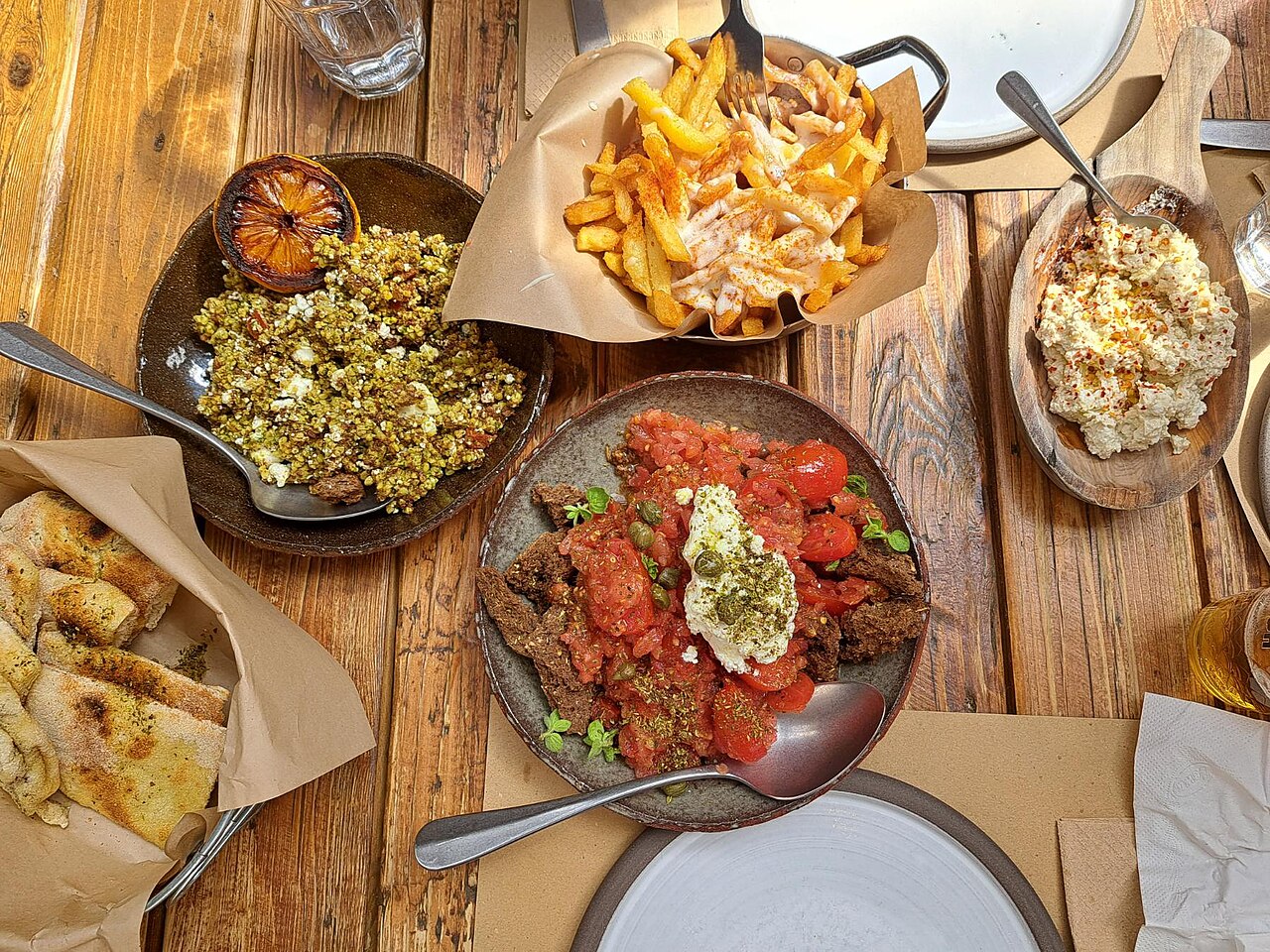
Photo: AlexandraVeG / Wikimedia Commons / CC BY-SA 4.0. No changes made.
Things to Do in Crete in October
The best things to do in Crete in October make use of the mild weather and the quieter roads. This is the month for the experiences that feel too hot or too crowded in summer.
Walk the Minoan Palaces Without the Heat
October is ideal for Crete’s archaeological sites. The sun is gentler, the paths are quieter, and you can take your time. Start with Knossos, then visit the Phaistos palace on its ridge above the Messara Plain, where the light in late afternoon is beautiful. Our overview of archaeological sites in Crete suggests others worth adding.
On a rainy day, the Heraklion Archaeological Museum is the right place to be. Its Minoan collection, from the snake goddess figurines to the frescoes, makes the palaces much easier to understand.
Visit the Sacred Caves and Goddess Places
Autumn suits Crete’s sacred caves. The walks up to them are cooler, and the sites are quiet. The Dikteon Cave above the Lasithi Plateau and the Idaean Cave on Mount Ida are both tied to the birth and childhood of Zeus, and to his mother, Rhea, who hid him from Kronos in the Cretan mountains. Our guide to caves in Crete covers these and other cave sanctuaries.
The season itself has a long sacred history on the island. The Greek poet Hesiod placed Demeter, goddess of grain and harvest, in a thrice-plowed field in fertile Crete, where she gave birth to Ploutos, the god of wealth and plenty. Long before that, the Minoans shaped their religious year around sowing, harvest, and renewal, often honoring a female figure linked to the land. Our article on the Minoan sacred year explores that older calendar. Walking through a village during the harvest, you can still feel some of that old relationship between people and land.
Hike Gorges and Mountain Trails
Cooler air makes October one of the best hiking months of the year. Shorter gorges such as Imbros and Agia Irini, coastal paths along the south coast, and trails in the White Mountains are all comfortable now. Pair a morning walk with an afternoon swim on the south coast, where the water stays calmest. Start early, carry water, and avoid gorges on days with heavy rain or thunderstorm warnings.
Eat With the Season
October changes the Cretan table. Look for new wine and fresh tsikoudia, roasted chestnuts on town street corners, pomegranates, quinces, and the first wild greens after the rain. After the first autumn storm, many tavernas start serving snails (chochlioi), usually fried with rosemary and vinegar, a dish Cretans associate closely with this time of year. Our guide to traditional Cretan food introduces the island’s classic dishes.
Slow Down in a Town or Village
October rewards a slower plan. Spend two or three nights in one place rather than moving every day, and leave room for a long village lunch. If you are driving, our Crete road trip itinerary shows how to split the island into realistic stages with shorter October days in mind.

Photo by Paige Cody on Unsplash
Packing and Planning List for Crete in October
What to Pack
- Swimsuit and a quick-dry towel for beach days and spontaneous swims.
- Light layers, plus a sweater or fleece for evenings and the mountains.
- A light rain jacket or compact umbrella, above all for the second half of the month.
- Walking shoes with good grip for gorges, ruins, and wet cobblestones.
- Sun hat, sunglasses, and sunscreen, since the October sun is still strong in the middle of the day.
- A scarf or light cover-up for visiting churches and monasteries.
- Some cash for village tavernas, festivals, and market stalls.
Planning Checklist
- Choose your dates by priority: the first half for beaches, the second half for food, villages, and culture.
- Base yourself in a town in late October, when beach resorts begin to close.
- Check the Samaria Gorge status the day before if you hope to hike it.
- Confirm boat trips and hotel closing dates if you are traveling after mid-month.
- Mark October 25 and October 28 in your plan: the clock change and Oxi Day.
- Rent a car if you want to reach mountain villages and the south coast, and drive mountain roads in daylight.
- Leave one flexible day in case a storm changes your plans.
When Crete in October Is the Wrong Choice
October is a good month for most travelers, but not for everyone. It may be the wrong choice if:
- You need guaranteed hot beach weather every single day in late October.
- Your trip depends on hiking the Samaria Gorge in the last weeks of the month.
- You want a full resort scene with beach bars, nightlife, and water sports.
- Any chance of rain would spoil the trip for you.
If that sounds like you, early September or June will suit you better. If what you want most is quiet, slow days, and Cretan winter food, the off-season has its own appeal, and our guide to Crete in December shows what the island is like in the cooler months.
Image by Albrecht Fietz from Pixabay
Conclusion
Crete in October offers warm days, a swimmable sea, open towns and archaeological sites, and a quieter island than you will find in summer. The first half of the month is best for beaches, mid-October gives the best balance, and late October is the time for chestnuts, raki stills, Oxi Day, and village life. Pack a layer for the evenings, keep a day flexible for the weather, and check what is open if you are traveling at the very end of the month.
Above all, October shows Crete as its people live it, between the last of the summer and the work of the harvest. If you would like help shaping a private October route around Minoan sites, sacred places, and local tables, Elissos plans trips with exactly that kind of depth in mind.
Frequently Asked Questions
Is October a good time to visit Crete?
Yes. October brings warm days in the low to mid 70s °F (22 to 25°C), a sea that is still warm enough for swimming, few rainy days, and much smaller crowds than summer. The first half of the month is best for beaches, while the second half suits culture, food, and walking.
What is the weather like in Crete in October?
October weather in Crete is mild and mostly sunny. Average highs run from about 77°F (25°C) early in the month to about 70°F (21°C) at the end, with nights around 59 to 64°F (15 to 18°C). Expect four to six rainy days, mostly in the second half of the month.
Can you swim in Crete in October?
Yes. The sea is about 75°F (24°C) in early October and about 71 to 72°F (22°C) by the end of the month. The south coast is usually calmer and warmer than the north, so it is the better choice for swimming late in the month.
Is Crete open in October?
Yes. Towns, archaeological sites, museums, most restaurants, car rentals, buses, and ferries operate through October. Beach bars, boat trips, and many large resort hotels start closing from mid-October, and many resorts shut at the end of the month.
Is Crete busy in October?
Crete is much quieter in October than in summer. The first week still sees steady numbers at popular sites, but crowds drop sharply after mid-month. Cruise ship days and late-October school holidays can briefly add visitors in some areas.
Is early, mid, or late October better for Crete?
Early October is best for beach holidays, with the warmest sea and most services still open. Mid-October offers the best balance of warm weather and few crowds. Late October suits travelers interested in food, harvest traditions, and village life, as long as they do not mind cooler evenings and some rain.
Does it rain a lot in Crete in October?
Not usually. Most years see four to six rainy days, often as short, heavy showers or thunderstorms rather than all-day rain. Rain becomes more likely in the last ten days of the month.
Is the Samaria Gorge open in October?
The Samaria Gorge is usually open until around the end of October, but it closes whenever heavy rain makes the trail unsafe, and autumn storms make closures more common. Always check its status with the national park authority the day before you plan to hike.
What happens in Crete on October 28?
October 28 is Oxi Day, a Greek national holiday commemorating the country’s refusal of Mussolini’s ultimatum in 1940. Towns hold morning parades, and shops, banks, and many supermarkets close for the day, while cafes and restaurants stay open.
What should I pack for Crete in October?
Pack summer clothes and a swimsuit, plus light layers, a sweater for evenings and the mountains, a light rain jacket, comfortable walking shoes, and sun protection. Add a scarf or cover-up for churches and some cash for village tavernas.
Feature Photo by Joshua Kettle on Unsplash