
Best Time to Visit Crete: A Season-by-Season Guide
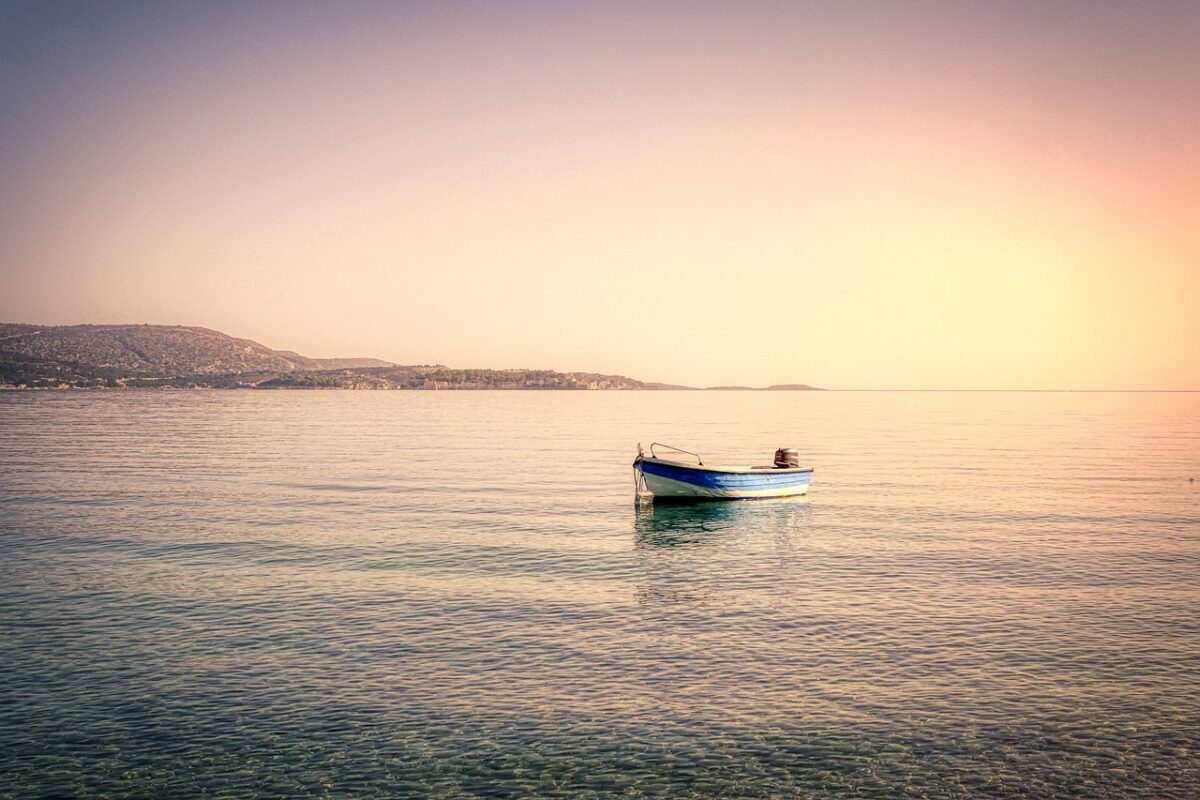
Crete is large enough, and varied enough, that there is no single answer to when to visit.
A beach-focused traveler and a traveler planning a week of hiking and ancient sites will often want different months entirely, and the island’s weather, crowd levels, sea temperature, and festival calendar all shift together as the year moves from spring into summer and back down through autumn.
This guide draws on Elissos’ own month-by-month coverage of the island, along with real seasonal observation, to weigh Crete’s travel seasons against each other in one place. Instead of repeating the detail already covered in our guides to Crete in spring, May, June, July, August, September, and December, this article focuses on comparison: what each season actually offers, where the trade-offs are, and why the shoulder seasons, spring and early autumn, tend to be the best time to visit Crete for travelers who want fewer crowds and a fuller sense of the island.
Quick answer: The best time to visit Crete for most travelers falls in the shoulder seasons, from mid-April through early June and again from September through mid-October. These weeks bring comfortable temperatures, sea water warm enough for swimming from late May onward, and noticeably smaller crowds at beaches and archaeological sites than July and August.
At a glance:
- April to early June (spring): Mild air temperatures, wildflowers, and Easter season; the sea stays cool for swimming until closer to June.
- June (early summer): Warm and dry, with the sea comfortable enough for most swimmers by the middle of the month, and crowds still building.
- July and August (peak summer): The hottest, driest, and busiest months on the island, cooled on the north coast by the Meltemi wind.
- September to mid-October (early autumn): Warm sea water, thinning crowds, the grape harvest, and village festivals.
- Late October to March (late autumn and winter): Quiet and cooler, with more rain and some coastal businesses closed for the season.
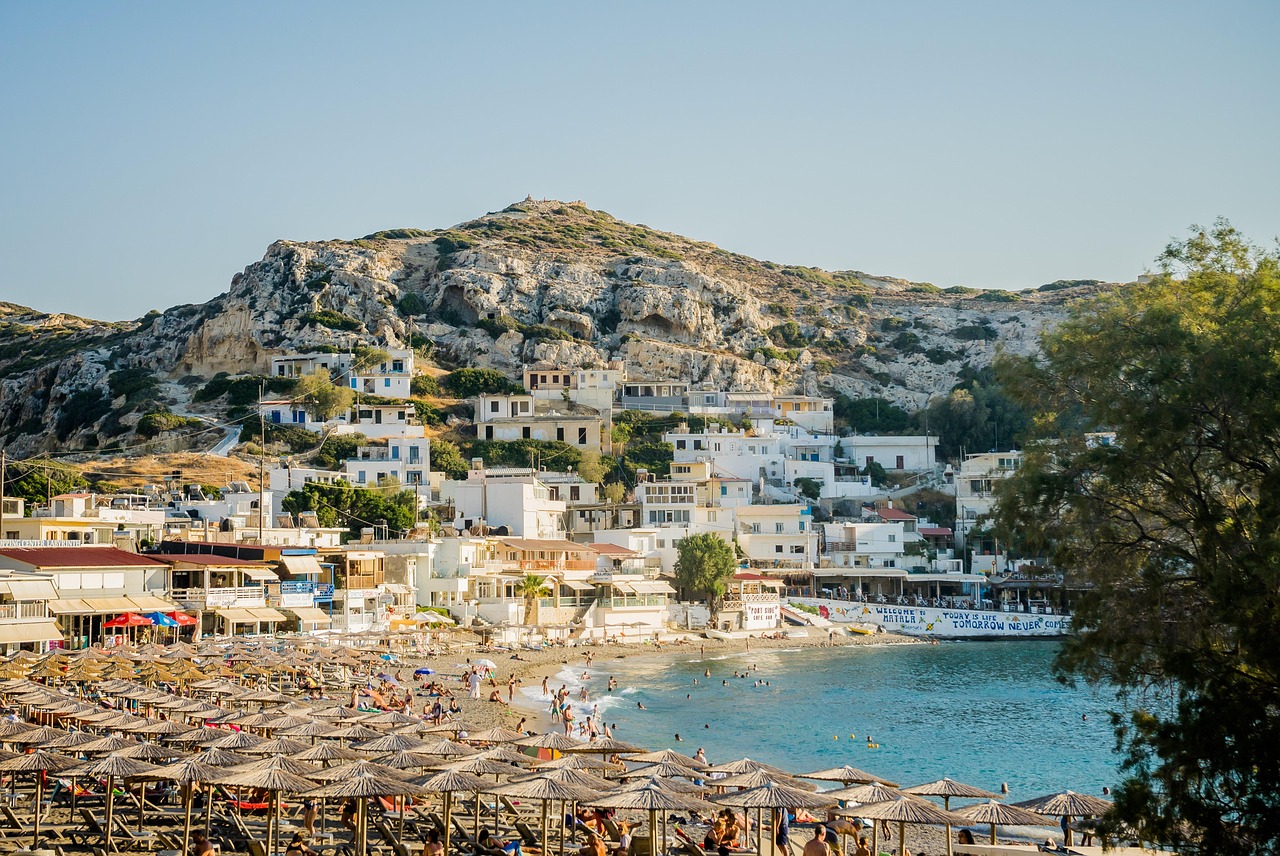
Image by Leonhard Niederwimmer from Pixabay
The Short Answer: When to Visit Crete
For most travelers, the best month to visit Crete falls in late May, June, September, or early October. Average air temperatures during these months run from about 20 to 29 degrees Celsius, the sea is warm enough for comfortable swimming from June through October, and both beaches and archaeological sites see considerably fewer visitors than during the peak of July and August. Travelers who care more about hiking or ancient sites than about beach time often find April and early May just as rewarding, since the Samaria Gorge reopens for the season around May 1 and the island’s wildflowers are still at their fullest.
Crete’s Travel Seasons Compared
Four factors decide how a given stretch of the year actually feels on the ground in Crete: air temperature, sea temperature, how many other travelers are around, and what is happening on the island’s calendar of festivals and traditions. Here is how each part of the year weighs up.
Spring (April and Early May)
Spring in Crete means daytime temperatures in the high teens and low twenties Celsius, wildflowers across the hillsides and gorge trails, and a noticeably slower pace than summer. The sea is still too cool for most swimmers this early, closer to 16 to 18 degrees Celsius, but this is a genuinely good window for hiking, ancient sites, and village life. Orthodox Easter, which moves each year and sometimes falls in April, is one of the most culturally significant weeks to be on the island, with Holy Week traditions playing out in villages across Crete.
Our guide to Crete in spring and our guide to
Easter in Crete both go deeper into what this season actually looks and feels like.
Late Spring (Mid-May to Early June)
By mid-May, temperatures climb into the low to mid-twenties Celsius, the Samaria Gorge has reopened, and the sea is warming toward swimmable. Crowds remain manageable at most sites and beaches, and accommodation is easier to find than in the months that follow.
Our full guide to Crete in May covers this window in more detail, including exactly what is open and what to expect from the water temperature.
Early Summer (June)
June brings reliably warm, dry weather, with air temperatures in the mid-twenties to high twenties Celsius and the sea comfortable for swimming by the middle of the month. This is the point in the year where Crete starts to fill up in earnest, though it is still noticeably calmer than July and August.
Our guide to Crete in June covers the practical side of this transitional month.
Peak Summer (July and August)
July and August are Crete’s hottest and busiest months, with air temperatures regularly in the high twenties to low thirties Celsius and the sea at its warmest, around 24 to 26 degrees Celsius. The Meltemi wind, a seasonal north wind, keeps the north coast bearable on the hottest afternoons. This is also the height of the island’s festival calendar, anchored by the Assumption of Mary on August 15, one of Crete’s biggest religious feasts. Crowds and accommodation demand both peak here, and popular beaches and sites are genuinely busy by mid-morning.
For travelers visiting during this window, our guides to Crete in July, Crete in August, and the Assumption of Mary in Crete cover what to expect, while our guide to quiet beaches in Crete for August covers where the crowds thin out even at the height of the season.
Early Autumn (September and Early October)
September is, for many repeat visitors, the strongest all-around month on Crete’s calendar. The sea holds its summer warmth (often 24 to 25 degrees Celsius even into early October, since water heats and cools more slowly than air), crowds ease noticeably after the last week of August, and the island’s harvest season begins. This is when trygos, the traditional grape harvest, moves across the island’s vineyards, and when two major Orthodox feast days, the Nativity of the Virgin Mary on September 8 and the Elevation of the Holy Cross on September 14, bring village panigyria to churches across Crete.
Our guides to Crete in September, grape harvest in Crete, and panigyria in Crete all cover this window from different angles.
Late Autumn and Winter (Late October through March)
From late October, temperatures drop steadily into the teens Celsius, rainfall increases through November, December, and January, and many coastal hotels, tavernas, and tour operators close for the season, particularly in smaller towns. This is Crete’s quietest stretch by a wide margin, better suited to travelers focused on Cretan food, olive harvest season, and unhurried time in towns like Chania and Rethymno than on beach days.
Our guide to Crete in December covers what a winter visit actually involves, including which sites and beaches stay open.
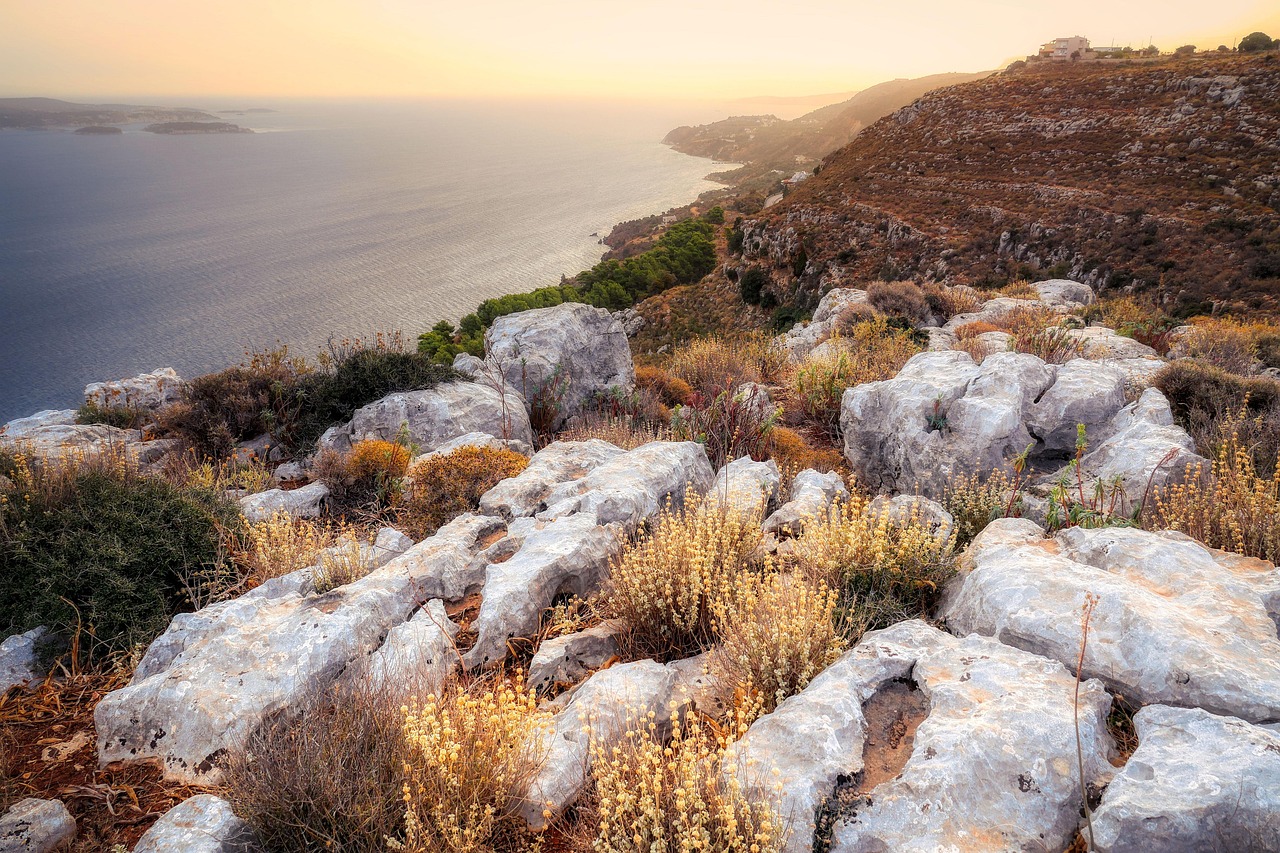
Image by Albrecht Fietz from Pixabay
Crete Weather by Month at a Glance
The table below gives a working sense of Crete’s climate through the year: average air temperature, sea temperature, and roughly how much rain to expect. Figures are averages and can vary somewhat by region, since the south coast tends to run slightly warmer and drier than the north.
One pattern worth understanding before reading the table: sea temperature lags behind air temperature by several weeks. Water takes far longer to warm up and cool down than air does, which is why the sea keeps climbing well after the hottest days of summer have passed, and why September and even early October often deliver water as warm as, or warmer than, June. The same lag works in reverse in spring, when the air can already feel like summer while the sea is still recovering from winter.
| Month | Air Temperature | Sea Temperature | Rainfall |
| January | 10 to 15°C | 16°C | Highest of the year |
| February | 10 to 16°C | 15 to 16°C | High |
| March | 12 to 18°C | 16°C | Moderate, decreasing |
| April | 14 to 21°C | 17°C | Light |
| May | 18 to 25°C | 19 to 20°C | Minimal |
| June | 23 to 28°C | 22 to 23°C | Very low |
| July | 27 to 32°C | 24 to 25°C | Lowest of the year |
| August | 28 to 33°C | 25 to 26°C | Very low |
| September | 25 to 29°C | 24 to 25°C | Low |
| October | 20 to 25°C | 22 to 23°C | Increasing |
| November | 15 to 20°C | 19 to 20°C | High |
| December | 12 to 16°C | 17 to 18°C | Highest of the year |
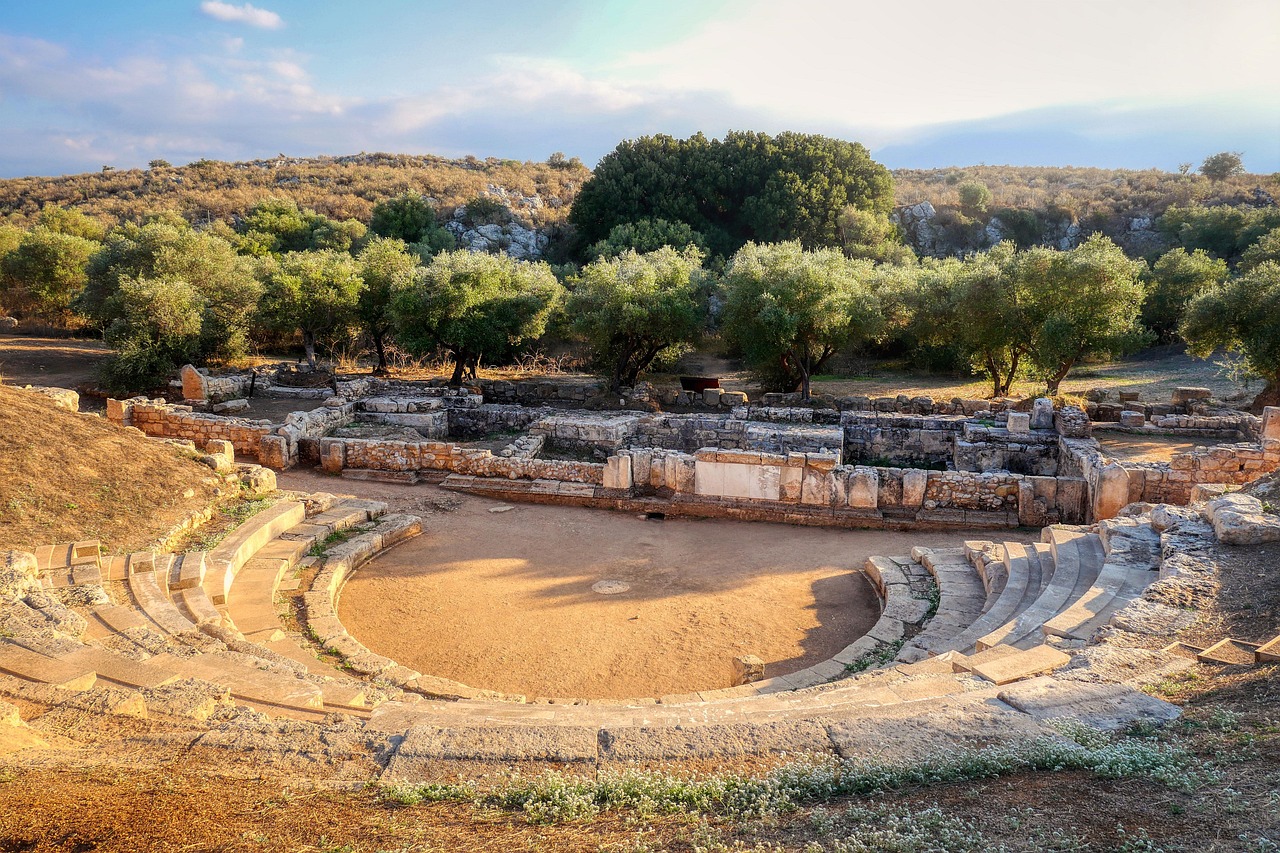
Image by Albrecht Fietz from Pixabay
Best Time to Visit Crete by What You Want From Your Trip
Weather alone does not answer the question of when to go. What a traveler actually wants from the trip usually matters more.
For Beaches and Swimming
The sea in Crete is comfortably swimmable from June through October, with the warmest water in August and September. Travelers focused mainly on beach time tend to do best in June or September, when the water is already warm but the beaches have not reached their busiest point of the year. The north coast, more exposed to the Meltemi wind, tends to feel choppier in July and August, while the south coast along the Libyan Sea generally stays calmer and slightly warmer through the same stretch. Even in the quieter shoulder months, popular beaches like Elafonisi and Balos still fill in by mid-morning, so an early start matters regardless of the time of year.
For Hiking and the Outdoors
Spring and early autumn suit hiking far better than the peak of summer, when midday heat makes gorge walks and coastal trails uncomfortable and, at times, genuinely risky. April and May bring wildflowers and cooler mornings, while late September and October offer similar temperatures with the added benefit of a calmer trail. The Samaria Gorge and Crete’s other major gorge walks operate on a set seasonal window, typically May through October, so travelers planning a gorge hike outside that range should check current access before booking anything around it.
For Ancient Sites and Sacred Places
Crete’s Minoan palaces, sacred caves, and archaeological museums are far more comfortable to explore outside the heat and coach-tour traffic of July and August. Spring and early autumn allow for a slower, more attentive visit to places like Knossos, Phaistos, and the island’s Minoan cave sanctuaries, many of which carry a long association with goddess worship and the sacred feminine in Bronze Age Cretan religion. Stone courtyards and open excavation sites hold heat well into the afternoon in summer, which makes an early morning or late afternoon visit worth planning for regardless of the season, but especially so from June through August.
For Festivals and Local Tradition
Crete’s calendar of celebrations runs through the whole year, but two stretches stand out for travelers interested in living tradition rather than a staged performance. Holy Week and Easter in spring bring Cretan villages together around centuries-old rituals, while September’s combination of grape harvest and panigyria offers one of the most concentrated windows of local celebration on the island. Travelers who want a cultural experience without the summer crowds often find that these two windows deliver more genuine contact with island life than a July or August visit, when many local celebrations are shared with a much larger audience of visitors.
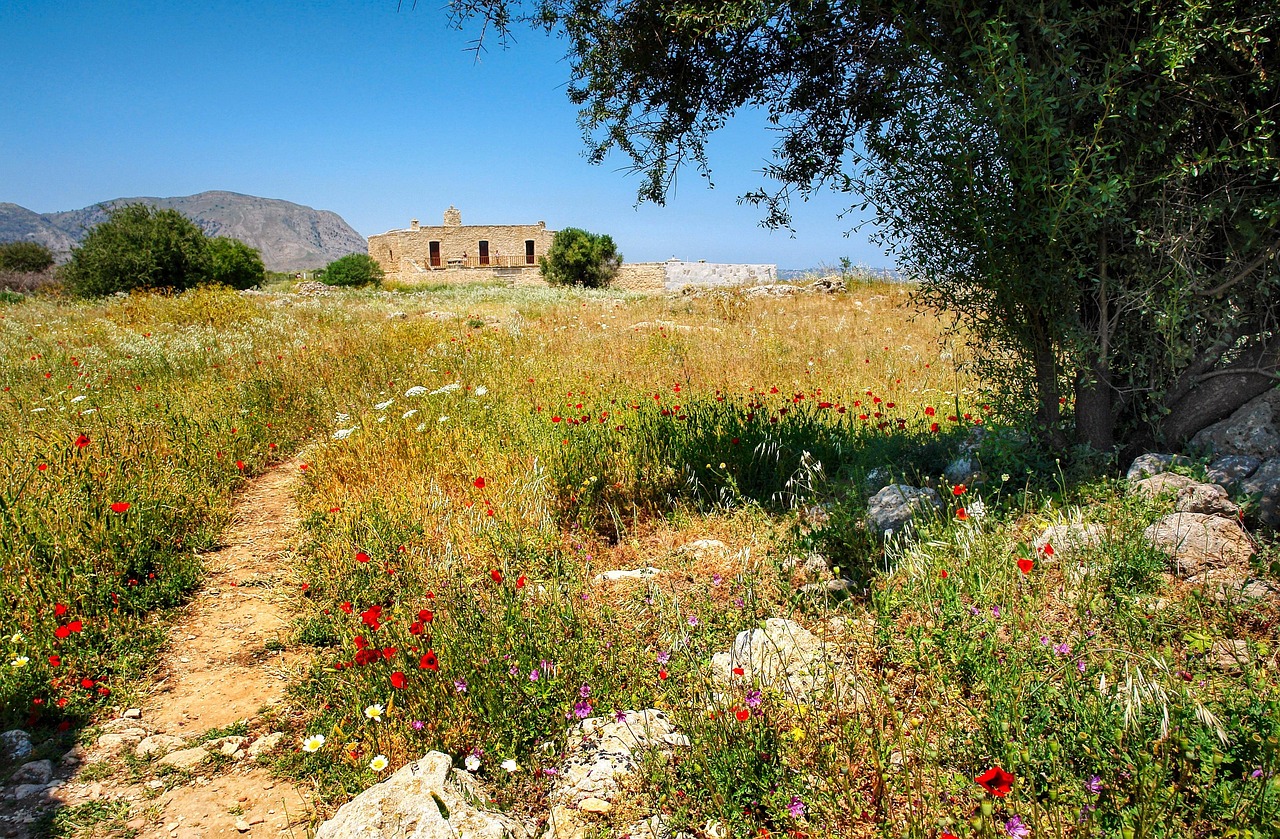
Image by Albrecht Fietz from Pixabay
The Honest Case for Crete’s Shoulder Seasons
Every travel guide to Crete eventually arrives at the same trade-off: summer guarantees warm water and long days, but it also guarantees crowds, higher demand for accommodation, and archaeological sites that are genuinely uncomfortable to visit at midday. Spring and early autumn ask for a small compromise on sea temperature (or, by September, almost none at all) in exchange for an island that feels closer to how Cretans actually live in it.
A spring visit lets travelers explore Knossos or Phaistos without coach tours arriving every fifteen minutes. Hikers can follow gorge trails edged with wild orchids and poppies without joining a long line of other walkers. If the timing coincides with Easter, visitors can also witness Holy Week traditions that Cretan villages have maintained for generations. Early autumn replaces the last of summer’s intense heat with milder conditions. The sea often remains warmer than it is at the height of June. Village squares fill with panigyria connected to the Orthodox calendar. At the same time, Crete settles into a quieter, more textured seasonal rhythm with fewer crowds.
Neither season asks a traveler to give up much. Both simply ask for a different kind of trip: one built around depth rather than density, and around Crete’s own calendar rather than the busiest weeks on everyone else’s.
None of this makes peak summer the wrong choice. Travelers whose main goal is long beach days with the warmest possible water, or who are tied to school-holiday dates, will still find July and August worth the trade-off, and the island genuinely has the infrastructure to handle its busiest months without feeling strained. The honest case for spring and early autumn is not that summer is a mistake, but that it is only one version of Crete, and often not the version that shows the island at its most textured.
Conclusion
The best time to visit Crete comes down to what matters most for a given trip. July and August bring Crete its warmest sea temperatures and fullest island atmosphere. These peak summer months also bring larger crowds and stronger demand for car rentals, restaurant tables, and other services. Spring offers a quieter alternative with comfortable temperatures and fewer visitors. Early autumn offers the same advantages while keeping the sea warm. Both seasons give travelers easier access to ancient sites, hiking trails, and living traditions. In spring, Holy Week adds an important cultural dimension, while September brings the grape harvest and village panigyria. Travelers can explore the full month-by-month Elissos guide library for more detail, and Elissos can help shape a private trip around the season that suits them best.
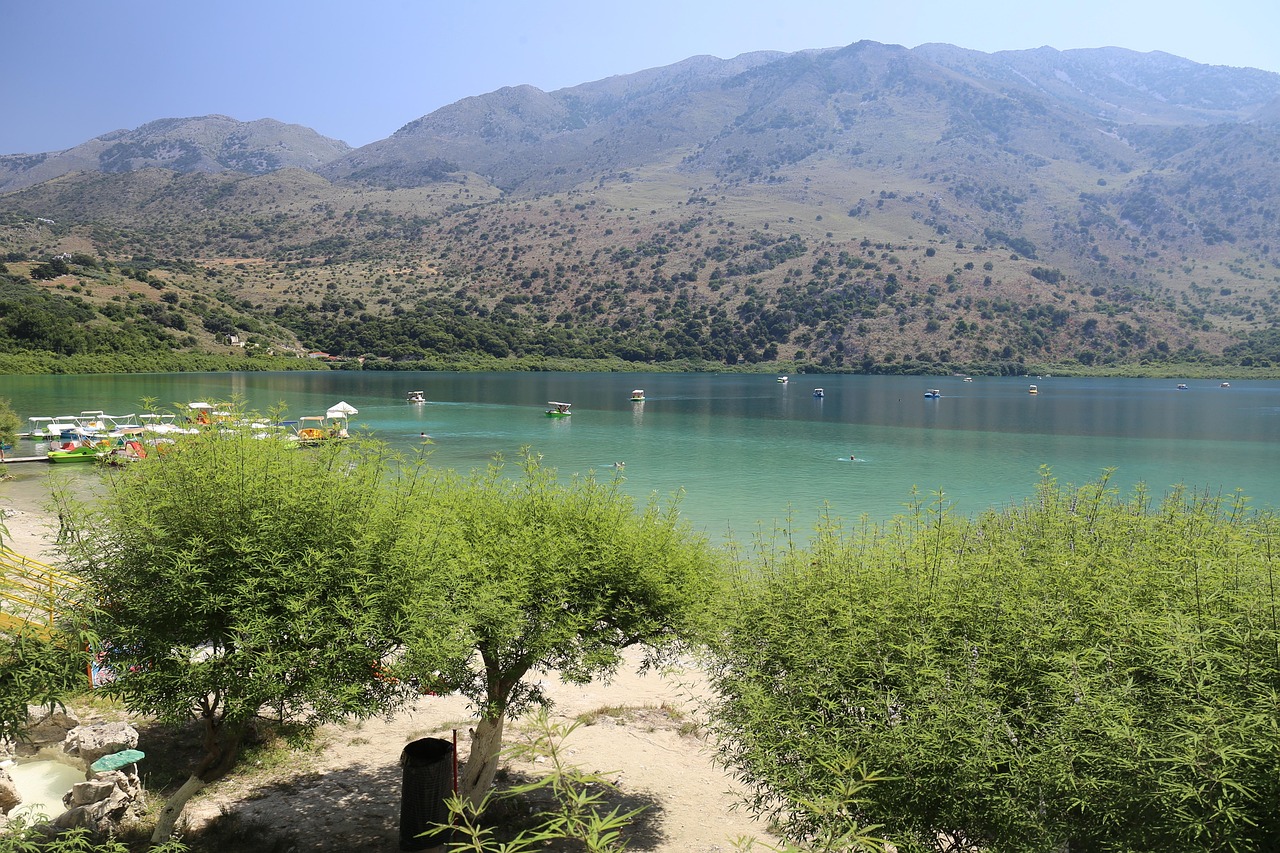
Image by Michael Kreibig from Pixabay
Frequently Asked Questions
What is the best time to visit Crete overall?
The shoulder seasons run from mid-April through early June and from September through mid-October. These periods generally offer the best balance of comfortable weather, swimmable sea water, and manageable crowds. Travelers who mainly want beach time often prefer June through September. Peak summer attracts travelers who want the warmest sea temperatures. It also offers the longest days of the year.
What is the best month to visit Crete for warm sea swimming?
August and September have the warmest sea temperatures in Crete, typically around 24 to 26 degrees Celsius. September often edges out August for comfort, since the water stays just as warm while crowds at beaches begin to thin.
Is Crete crowded during the shoulder season?
Crete is noticeably quieter in spring and early autumn than in July and August, though popular sites like Knossos and well-known beaches still see visitors throughout the year. Early morning visits remain the most reliable way to avoid the busiest hours even in quieter months.
When is Crete’s rainy season?
Crete’s rainiest months run from November through January, with December typically receiving the most rainfall. Spring and early autumn see only light, occasional rain, and summer is almost entirely dry.
Is it better to visit Crete in spring or in autumn?
Both shoulder seasons offer similar advantages, comfortable temperatures and smaller crowds, though they suit different priorities. Spring brings wildflowers, cooler hiking conditions, and Easter traditions, while early autumn brings a warmer sea, the grape harvest, and a concentrated calendar of village festivals.
When does the Samaria Gorge open in Crete?
The Samaria Gorge typically opens for hikers around May 1. Weather and trail conditions usually allow the hiking season to continue through mid to late October. Exact dates are set each year by the local forest authority.
What is the quietest time of year to visit Crete?
Late November through February brings Crete its quietest stretch. Far fewer visitors come during these cooler, rainier months. Some coastal hotels and tavernas close for the season. Travelers who prefer quiet exploration of towns, museums, and Cretan food may still enjoy this period, even outside beach season.
Feature image by Albrecht Fietz from Pixabay