
Crete in May: A Complete Travel Guide to the Island’s Best Shoulder Season
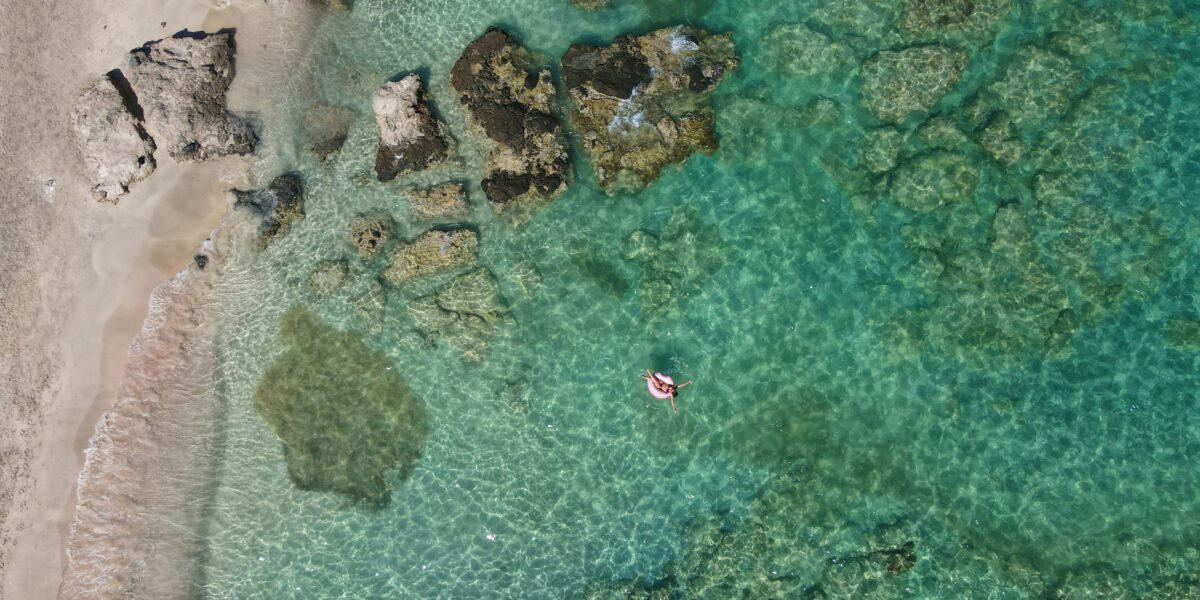
May is one of the best times to visit Crete.
Daytime temperatures range from 20°C to 26°C (68°F to 79°F), rainfall is minimal, and the island is still well below peak summer capacity. Ancient sites like Knossos are accessible without the July and August crowds, the gorges are fully open, wildflowers cover the hillsides, and accommodation costs significantly less than in high season. For travelers who want the full experience of Crete, including its landscapes, history, and local culture, May offers the most balanced conditions of the year.
Below you will find a complete guide to visiting Crete in May, covering weather, things to do, cultural highlights, practical logistics, and a few things that other guides tend to leave out.
Why May Is One of the Best Times to Visit Crete
Crete has a long travel season, running from April through October. Within that window, May stands out for a specific set of reasons. The weather is warm enough for beach days and outdoor exploration, but not so hot that archaeological sites become uncomfortable to walk. The island is fully operational, with restaurants, tours, and transport running on regular schedules. And the number of visitors, while growing compared to April, is still well below the summer peak.
For travelers interested in Crete beyond the beach, May makes particular sense. The wildflower season is at or near its peak in early May, especially in the mountainous interior and along gorge paths. The ancient sites feel more approachable when you can take your time without the heat pressing down. And the local pace of life is more evident, with Cretan families still moving through their spring rhythms before the full tourism season takes over.
In practical terms, accommodation costs are lower in May than in June, July, or August. Flight availability improves significantly from late April onward. And the shoulder season means you can often visit popular spots such as Balos, Elafonissi, or the Palace of Knossos without planning around crowds in the same way you would need to in peak summer.
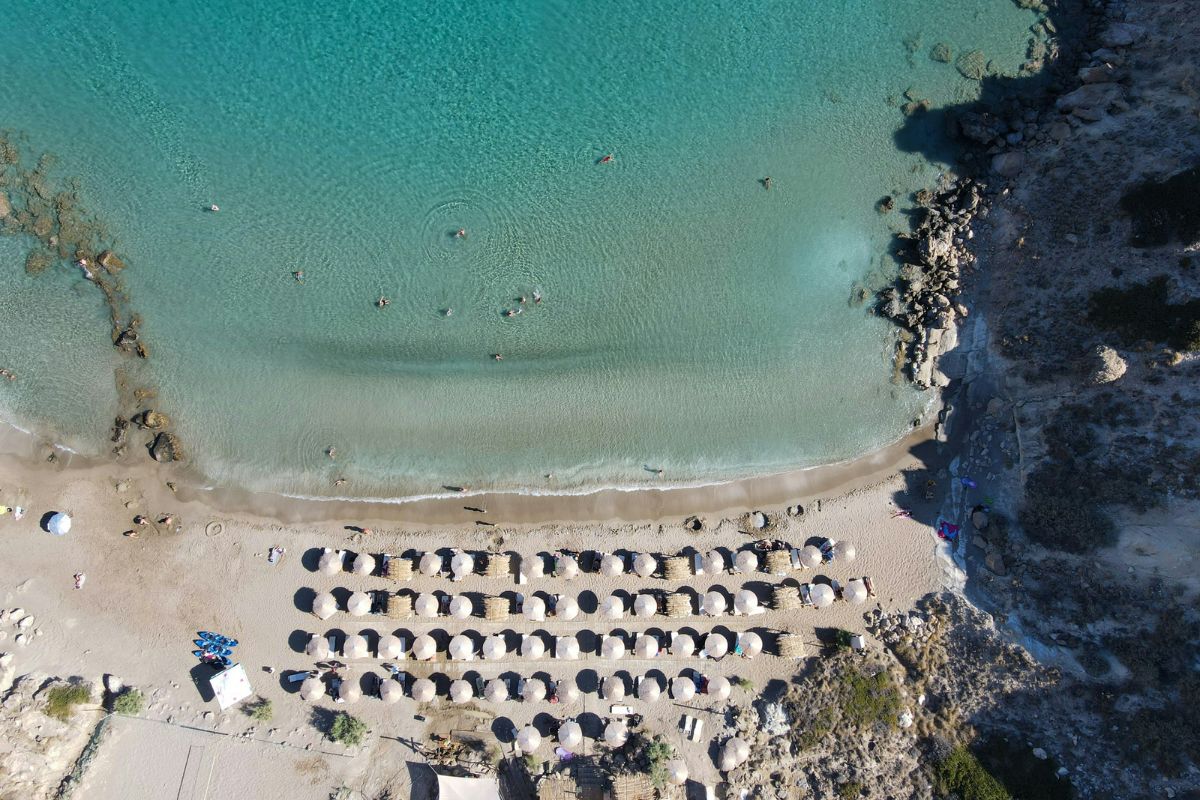
Photo by Dimitris Kiriakakis on Unsplash
Crete May Weather: What to Expect
The weather in Crete in May is the primary reason most travelers choose this month. The island moves out of its spring pattern and toward early summer, which creates a reliable, comfortable climate for most outdoor activities.
Temperatures and Sunshine Hours
Average daytime temperatures in Crete in May range from 20°C to 26°C (68°F to 79°F), with highs occasionally reaching 28°C in the southern coastal areas around Ierapetra. Evenings drop to around 14°C to 17°C (57°F to 63°F), so a light layer is useful for dining outside after dark. Sunshine averages around ten hours per day, which makes May one of the sunniest months of the early travel season. Rainfall is low, averaging around 13mm for the entire month, mostly brief and followed quickly by sun. For comparison, June averages just 1mm of rain.
The southern coast of Crete, including the areas around Matala, Plakias, and the Libyan Sea coastline, tends to run a degree or two warmer than the north. The higher mountain areas of Psiloritis and the White Mountains are cooler, and hikers heading into the interior should carry a layer regardless of what the forecast says for the coast.
Sea Temperature and Swimming
The sea temperature in Crete in May sits at around 20°C (68°F). This is cool but swimmable, and for travelers accustomed to northern European waters, it will feel comfortable. By the end of May, the sea tends to warm slightly toward the 21°C to 22°C range. The beaches in the southwest, particularly Elafonissi and Kedrodasos, are shallow and sheltered, which means the water warms faster there. If swimming is central to your trip and you prefer warmer water, plan your beach time for the second half of the month.
What to Pack for Crete in May
Packing for Crete in May requires a mix of warm-weather basics and a couple of transitional layers.
- Lightweight clothing for daytime: shorts, t-shirts, light dresses or linen trousers
- Swimwear for beaches and, if relevant, for the sea caves along the south coast
- A light jacket or cardigan for evenings and for visits to higher-altitude villages
- Comfortable walking shoes or trail shoes if you plan to hike any gorges or mountain paths
- Sunscreen rated SPF 30 or higher. The May sun in Crete is stronger than it feels.
- A hat and sunglasses for afternoon site visits
- A modest wrap or scarf for entering churches or monasteries
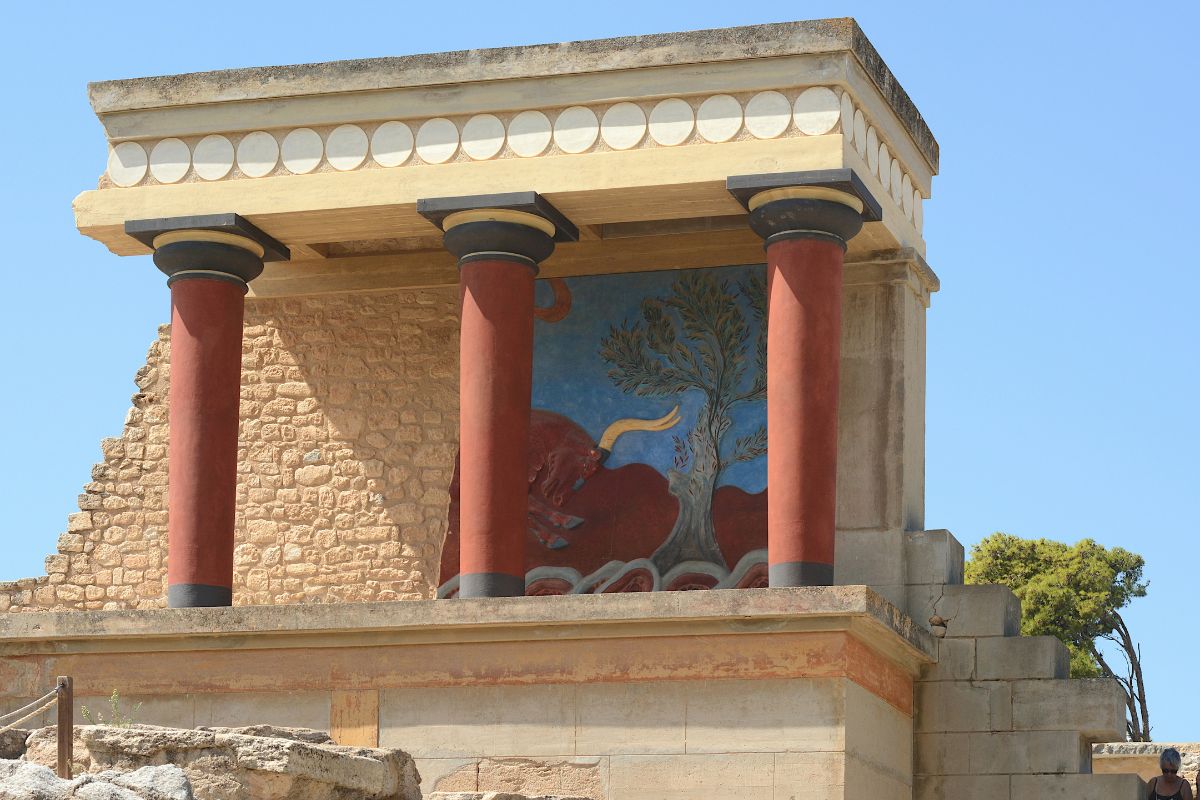
Photo by Jacek Urbanski on Unsplash
What to Do in Crete in May
The range of things to do in Crete in May is broader than in most other months. The gorges are open, the sea is swimmable, the ancient sites are accessible in comfort, and the local cultural calendar has a few specific events worth noting.
Walk the Gorges Before the Summer Heat Sets In
May is the best month to walk Crete’s gorges. The Samaria Gorge, the longest in Europe at 16 kilometers, typically opens in early May after its winter closure. Walking it in May means cooler temperatures in the canyon and a noticeably smaller crowd than the July and August peak, when the gorge can see several thousand visitors per day. The path runs from the Omalos Plateau down to the coastal village of Agia Roumeli, where boats connect to Sougia and Hora Sfakion.
The Imbros Gorge, a shorter and more accessible route in the Sfakia region, is open year-round and particularly beautiful in May when the gorge walls are still green and the light is soft in the morning. It is a good option for travelers who want a gorge experience without the full-day commitment of Samaria.
The gorges of Crete cover a wide range of terrain, difficulty, and character. For a detailed overview of the island’s main gorge routes, the gorges of Crete guide on the Elissos blog covers the key options.
Visit the Ancient Sites Without the Crowds
The Palace of Knossos is the most visited archaeological site in Greece after the Acropolis. In July and August, tour groups can make the site feel congested, and the open terraces are exposed to full afternoon sun. In May, neither of these conditions applies. You can walk the site at your own pace, linger in the throne room, and study the restored frescoes without competing for space. Early morning visits, before 9:30am, are particularly calm.
Beyond Knossos, May is an excellent time to visit Phaistos, the second great Minoan palace, located on a ridge above the Messara Plain in the south of the island. The views across the plain toward Psiloritis are exceptional in May, when the fields are still green. The site itself is less restored than Knossos, which means a quieter experience with more raw archaeological texture. The Heraklion Archaeological Museum, which houses the majority of Minoan artifacts excavated from across the island, is best visited in connection with a site visit rather than on its own. The collection is extensive, and giving it proper time rewards the effort.
For a broader overview of Crete’s archaeological heritage, the archaeological sites in Crete article on the Elissos blog offers useful context before you visit.
Explore the Minoan Sacred Landscape: A Living Connection to the Goddess
May carries a specific resonance in Crete’s ancient sacred calendar. The Minoans organized their ritual life around the cycles of nature, and spring was a period of profound religious activity, associated with the return of life, the renewal of the earth, and the festivals honoring the Earth Mother Goddess. Visitors who approach the island with this in mind will find that May in Crete feels like more than a travel season. It is a time when the landscape itself seems to reflect something older.
The sacred caves of Crete, in particular, are meaningful places to visit in May. The Diktaean Cave on the Lasithi Plateau, associated with the birth of Zeus and originally a site of Minoan goddess worship, draws far fewer visitors in May than in the height of summer. The Idaean Cave on the slopes of Psiloritis, one of the oldest continuously used sacred sites in the Aegean, offers a quieter experience in the shoulder season and a dramatic mountain approach through landscapes still green from spring rains.
The Minoan connection to the feminine principle ran through the entire fabric of daily life, from palace ritual to household devotion. The Snake Goddess figurines, the frescoes of women leading ceremony, and the concentration of goddess iconography in Minoan art all point to a culture in which the divine feminine was not marginal but central. Walking these sites in May, when the island is at its most alive and least over-touristed, allows for the kind of reflective engagement that is harder to find in summer.
For a deeper understanding of this tradition, the Minoan sacred year article and the Matriarchs of Minoan Crete piece on the Elissos blog provide valuable context.
Spend Time on the Beaches
The beaches of Crete are fully accessible in May, and most are still quiet compared to the summer peak. Elafonissi in the southwest, with its pink-tinged sand and shallow turquoise lagoon, is one of the most photographed beaches in the Mediterranean. In May, you can sit there in relative stillness. By August, it receives thousands of visitors daily and requires early arrival to find space.
Balos Lagoon, accessible by boat from Kissamos or by a rough road and short hike, is similarly transformed in May. The water is cool but the setting is extraordinary, and the crowd numbers allow you to appreciate it properly. Along the north coast, beaches near Rethymno, Georgioupoli, and the quieter stretches east of Heraklion are all open and well-serviced.
The south coast, including Matala, Plakias, and the more remote beaches around Sougia and Paleochora, is a different experience entirely. These areas maintain a slower, more local pace even in summer, and in May they are largely free of tourist pressure. The water is slightly warmer than the north coast, and the landscapes along the road west from Heraklion through the Asterousia Mountains are among the most dramatic on the island.
For a full overview of swimming spots across the island, the beaches in Crete guide covers a wide range of options by region.
Eat and Drink Like a Local
The Cretan diet is one of the most studied in the world for its health properties, built on olive oil, wild greens, pulses, fresh vegetables, goat and sheep dairy, and locally caught fish. May is a particularly good month to eat in Crete because spring vegetables are still in season, the menus at village tavernas feature what is actually available locally rather than imported produce, and the atmosphere in smaller restaurants has not yet shifted to tourist-paced service.
Look for dishes featuring artichokes, which peak in spring, along with slow-braised lamb (the Easter lamb tradition extends into the early weeks of May in many mountain villages), kalitsounia (small pastries filled with soft cheese or wild greens), and the classic Cretan dakos, a twice-baked barley rusk topped with grated tomato, crumbled mizithra or feta, and olive oil. Wild herbs, particularly thyme and oregano, grow across the hillsides in May and find their way into everything from grilled meats to cheese.
Cretan food culture is deeply connected to the land and the agricultural calendar. The traditional Cretan food article on the Elissos blog gives more detail on the dishes, ingredients, and traditions that define local cooking.
Events and Cultural Celebrations in Crete in May
Two cultural events in May are worth being aware of when planning your trip.
Protomagia (May 1st). International Labor Day in Greece is also known as Protomagia, the first day of May, and it is treated as a day for spending time in the countryside. Cretan families head out for picnics, wildflower picking, and kite flying. The tradition of gathering wildflowers to weave into a wreath, hung on the door or balcony as a sign of spring’s arrival, is still practiced in villages across the island. If you are traveling on this date, you may find some shops and services closed, but you are also likely to encounter local families in the fields and olive groves in a way that summer travelers rarely see.
Battle of Crete Commemoration (around May 20th). The Battle of Crete in 1941 was one of the defining events of the island’s 20th-century history. In the week surrounding May 20th, the island, particularly in and around Chania, marks the anniversary with ceremonies, folk dancing, sporting events, and local gatherings. This is not a major tourist event, but if you are in the area, it offers a genuine window into how Cretans understand and carry their recent history.
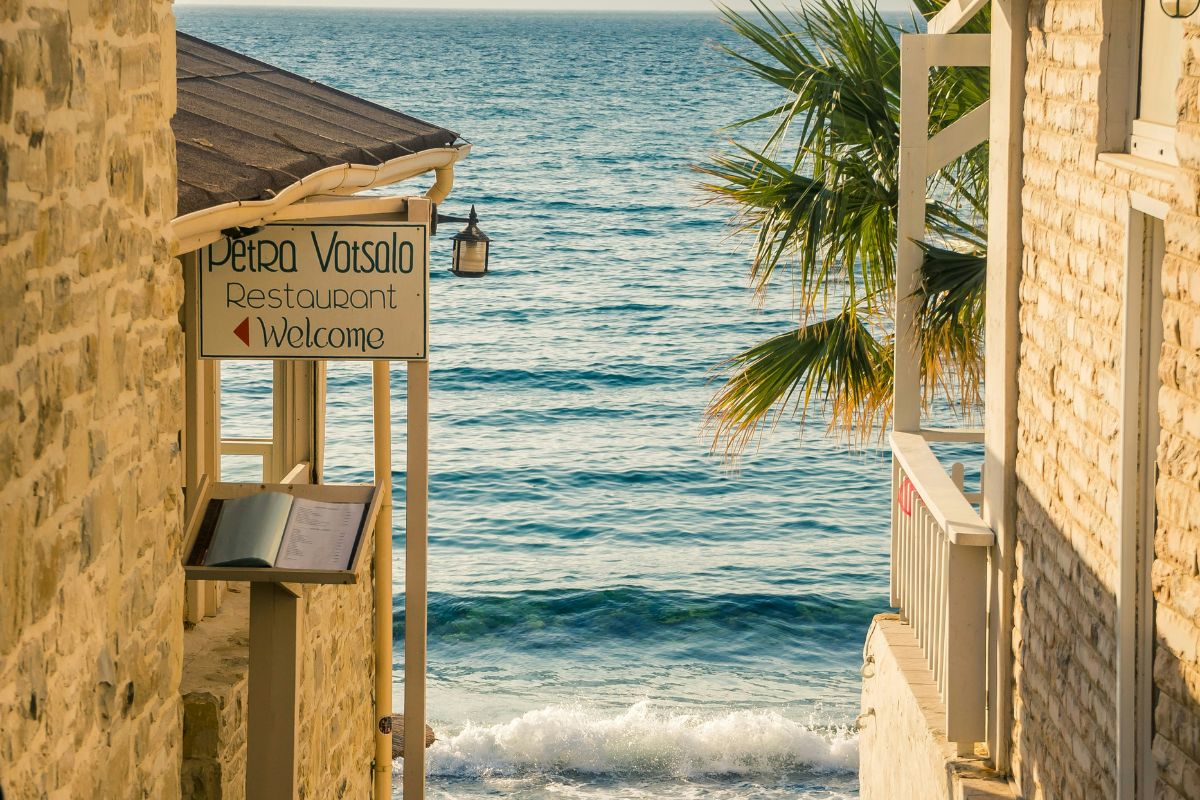
Photo by Leonhard Niederwimmer on Unsplash
Practical Travel Tips for Visiting Crete in May
A few practical points that will make a real difference to how your trip comes together.
Flights and Getting there
Direct flights to Crete operate into two airports: Heraklion (HER) in the center-north of the island, and Chania (CHQ) in the west. Chania airport serves fewer routes but is the better gateway if you plan to spend your time in western Crete, including the Samaria Gorge, Balos, Elafonissi, and the Sfakia region. Heraklion is the better choice for central and eastern Crete, including Knossos, the Lasithi Plateau, and the Mirabello Bay. From Athens, both airports are connected by multiple daily flights.
Getting around the Island
Renting a car is the most practical way to explore Crete, particularly if you want to reach the gorges, the south coast beaches, and the mountain villages that make the island distinctive. The main highway along the north coast connects Kissamos in the west to Sitia in the east, but most of the places worth visiting are off this road. Book your car rental before you arrive in May, not after. The inventory fills faster than many travelers expect.
Accommodation Booking
May is increasingly popular, and good accommodation at the lower end of the price range fills earlier than it used to. Small family-run guesthouses in village locations book out weeks in advance. Booking at least four to six weeks ahead is sensible, and earlier if you have specific properties or locations in mind.
Sun Protection
The sun in May is strong, and its strength is easy to underestimate because the air temperature is comfortable. Use SPF 30 or higher, reapply after swimming, and cover up during the midday hours if you are at an exposed archaeological site.
Athens to Crete
If you are flying into Athens first, both airports are connected by direct flights of around 45 minutes, or by overnight ferry from Piraeus port, which takes around 8 to 9 hours. The ferry is a practical choice if you want to bring a car. For more on connecting travel, the Athens to Crete guide covers the main options in detail.
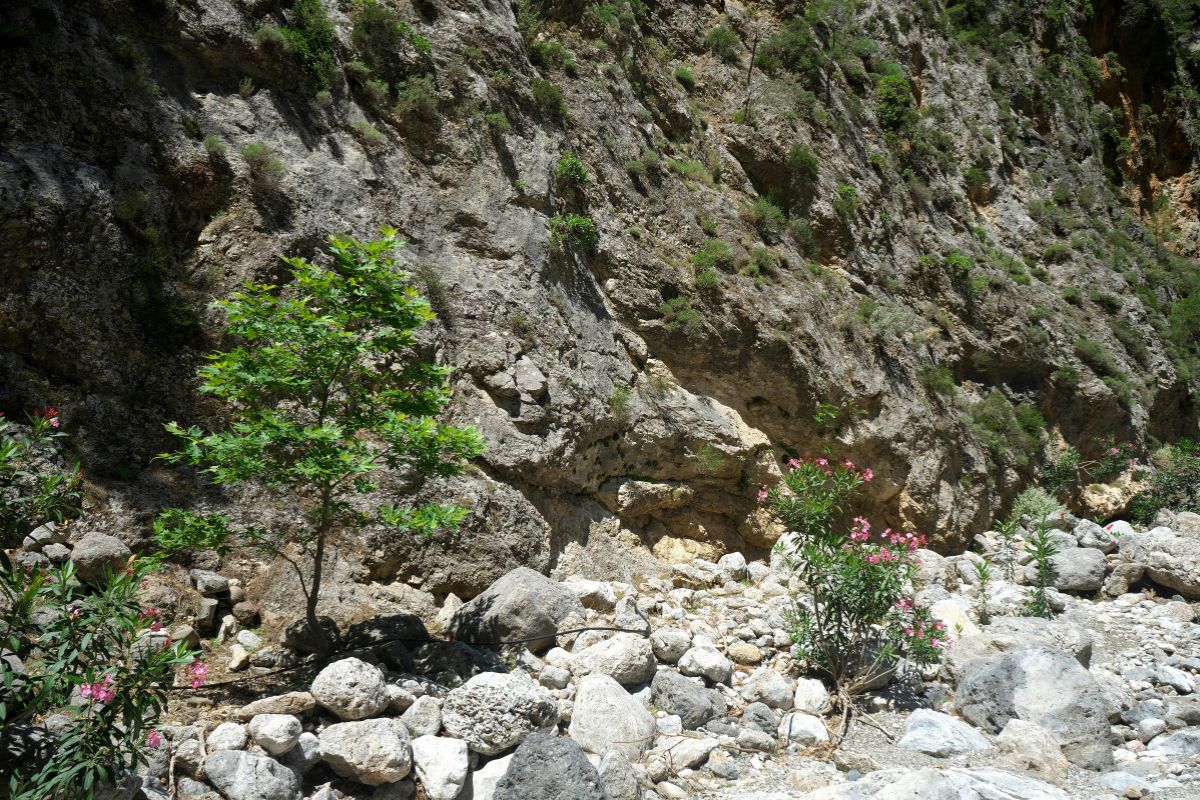
Photo by Tadeusz Zachwieja on Unsplash
Is May a Good Time to Visit Crete? A Honest Assessment
May is one of the strongest months to visit Crete for most types of traveler. The weather is reliably warm without being oppressive, the island is fully functional, and the crowd levels at major sites and beaches are well below the summer peak. For travelers interested in archaeology, hiking, local food, and a more measured pace of exploration, May is arguably the best month of the year.
The trade-offs are worth acknowledging. The sea is cool in early May, which will matter if swimming is central to your plans. Some of the smaller, more remote guesthouses and tavernas that close over winter may not reopen until mid-May. And transport schedules on some routes, particularly ferries to the smaller islands off the south coast, may still be on reduced frequency compared to June.
None of these are serious obstacles. They are simply conditions to factor in when planning. Visiting Crete in May means choosing quality of experience over the scale and energy of the summer season, and for most travelers who make that choice, it turns out to be the right one.
Conclusion
Crete in May offers a version of the island that is harder to find in the peak summer months: archaeologically rich, naturally beautiful, gastronomically rewarding, and genuinely unhurried. The weather is kind, the light is good, and the island has not yet given itself over entirely to the tourism cycle. If you are drawn to Crete for its depth, its landscapes, and the layers of history that run through everything here, from the Minoan sacred sites to the village tavernas to the gorge paths still green from spring rains, May is the month to come.
For more on planning a meaningful trip to Crete, including the island’s cultural and spiritual landmarks, explore the things to do in Crete guide and the ancient Crete overview on the Elissos blog.
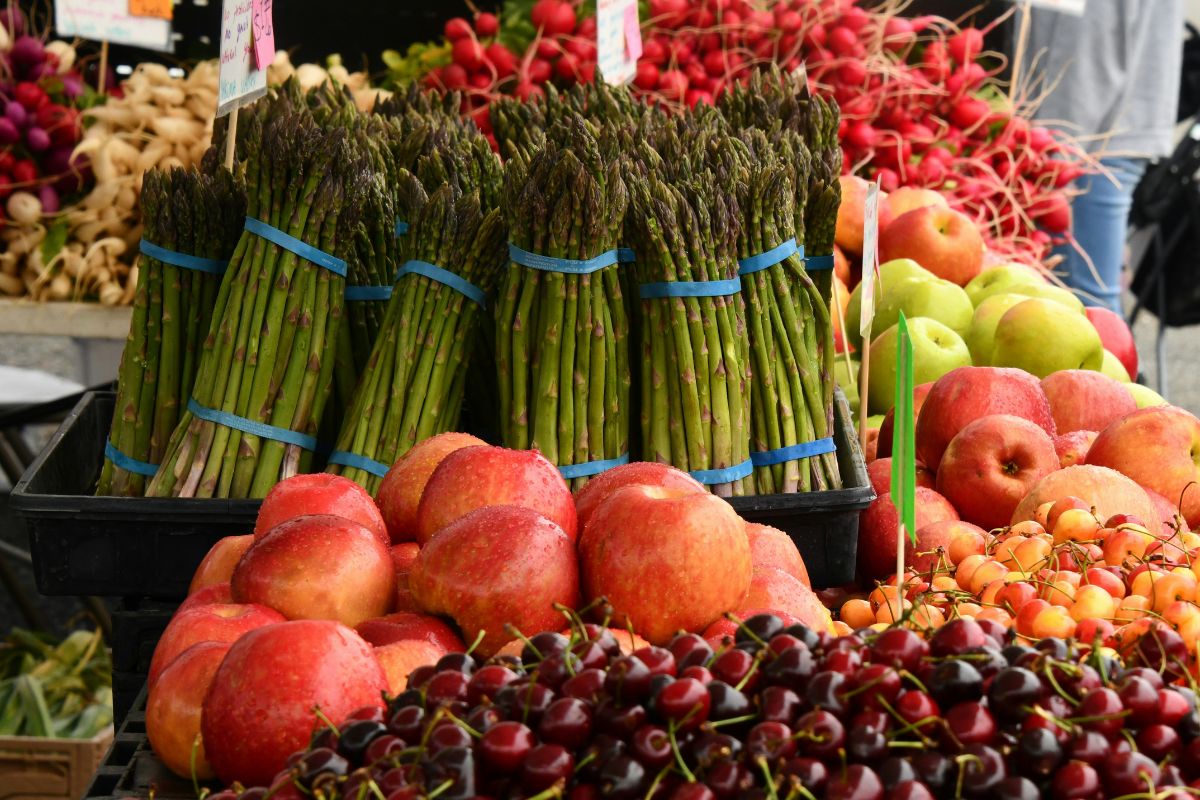
Photo by Shelley Pauls on Unsplash
Frequently Asked Questions About Visiting Crete in May
Is May a good time to visit Crete?
Yes. May is widely considered one of the best months to visit Crete. Temperatures are warm (20°C to 26°C), rainfall is low, the gorges are open, ancient sites are uncrowded, and accommodation prices are lower than in the summer peak. Travelers looking for a balanced combination of good weather, cultural access, and a manageable crowd level will find May very well suited to that.
What is the weather like in Crete in May?
Crete in May has warm, mostly sunny days with average highs between 20°C and 26°C (68°F to 79°F). Evenings cool to around 14°C to 17°C. Rainfall averages around 13mm for the month, usually in the form of brief showers that clear quickly. Sunshine averages around ten hours per day.
Can you swim in Crete in May?
Yes, though the sea is cool. Water temperatures in May average around 20°C (68°F), which is swimmable for most people. By the end of the month, the sea warms slightly. Sheltered, shallow beaches such as Elafonissi and Balos tend to feel warmer than open stretches of coastline.
Is Crete crowded in May?
Crete is noticeably less crowded in May than in July and August. Major sites such as Knossos and popular beaches such as Elafonissi are accessible without the crowds that define peak season. Tourist services are fully operational, but the island has not yet reached its full summer capacity.
What should I pack for Crete in May?
Pack light summer clothing for daytime, a light jacket or layer for evenings, comfortable walking shoes, swimwear, sunscreen (SPF 30 or higher), a hat, and sunglasses. If you plan to hike the Samaria or Imbros Gorge, bring trail shoes and a small daypack. A modest wrap or scarf is useful for visiting churches and monasteries.
Is Samaria Gorge open in May?
Yes. The Samaria Gorge typically opens in early May after its winter closure. May is one of the best months to walk it, with cooler temperatures in the canyon and smaller crowds than the summer peak.
What events happen in Crete in May?
Two events are particularly notable. Protomagia on May 1st is the Greek version of International Labor Day, celebrated with countryside picnics and the traditional gathering of wildflowers. Around May 20th, the Battle of Crete Anniversary is commemorated across the island, with ceremonies and folk events particularly concentrated in Chania.
Is May a good time to visit Minoan sites in Crete?
May is an excellent time to visit the Minoan sites. Knossos, Phaistos, and the sacred caves at Psychro and on Mount Ida are all accessible and significantly less crowded than in summer. The spring landscape around the sites is also at its most alive, which adds to the experience of visiting places that were themselves deeply connected to seasonal and natural cycles.
Feature Photo by Dimitris Kiriakakis on Unsplash