
Why Are Bees Important? Understanding Their Role in Nature
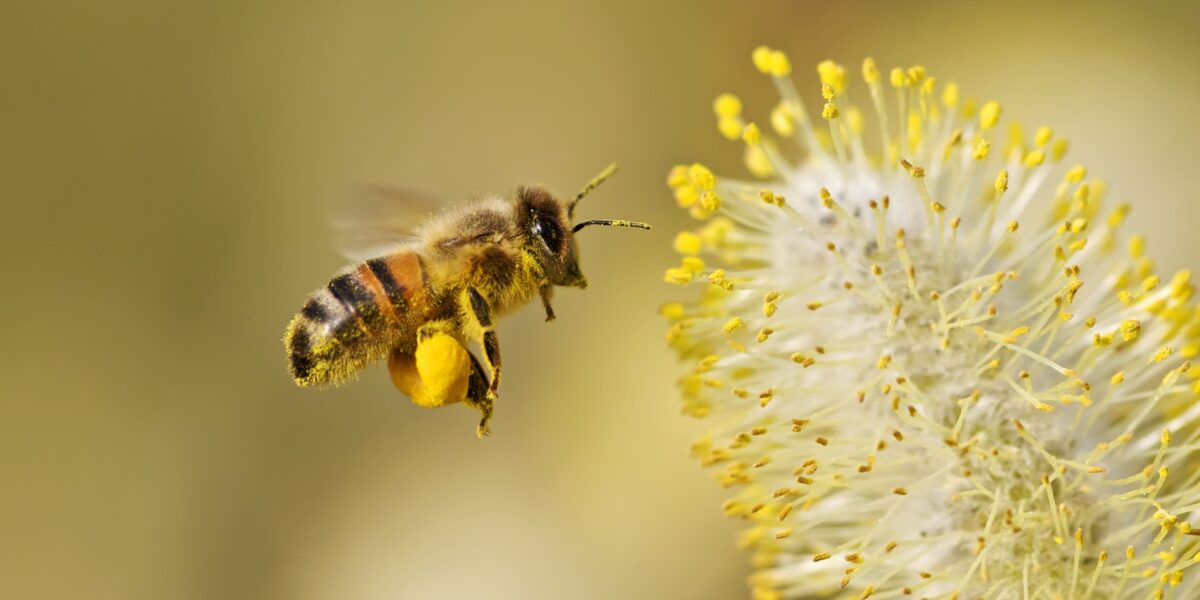
In this guide, we answer “Why are Bees Important” by explaining how they support our food, protect wild nature, and safeguard the planet’s future and what’s at risk if they disappear.
Bees may be small, but they are important. They help us grow food and they help the world be healthy and full of life. If bees disappear, it will harm farms and make wild places change. It can also hurt many living things. Knowing why bees matter helps us keep things strong and good for years to come.
Why Are Bees So Important to the World’s Food Supply?
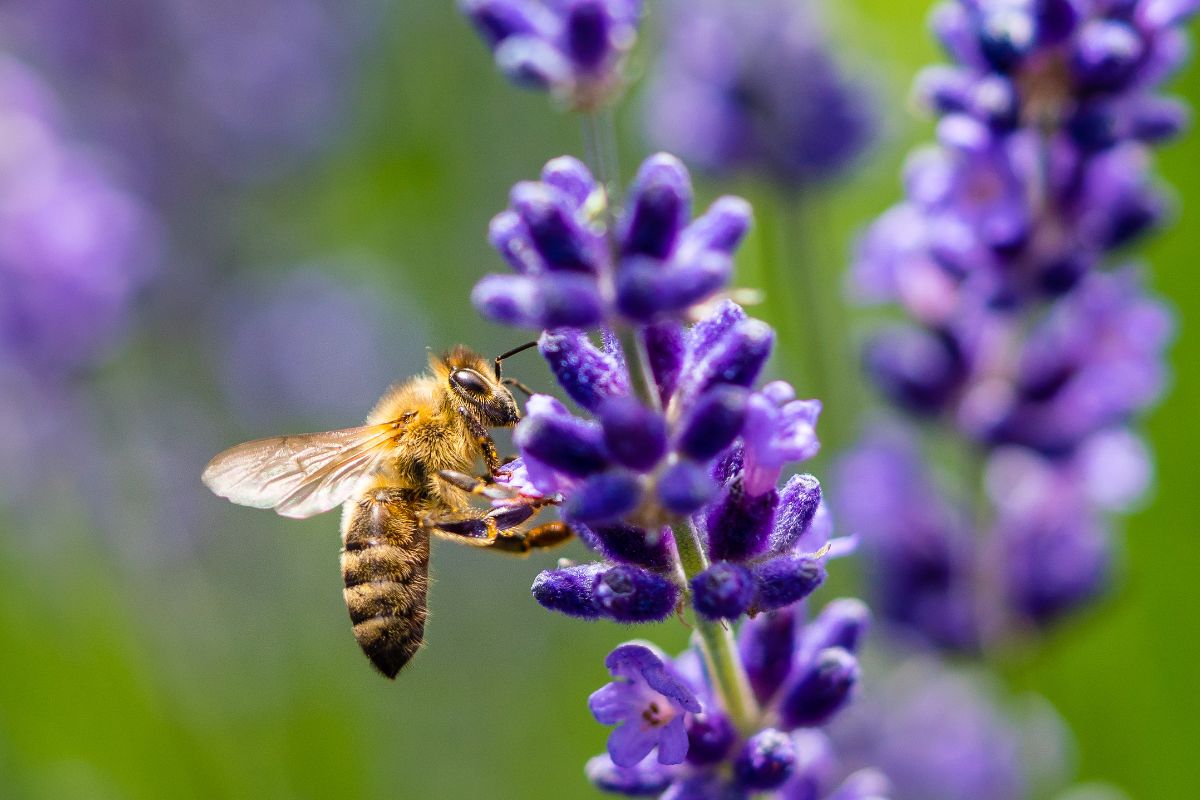
Bees help with food production all over the world. They pollinate about one out of every three crops that people eat. This includes fruits, vegetables, and nuts. Because of bees, we have more types of food in our diet. They also help to keep farms working well. Bees are really needed to make sure there is enough food for everyone.
How Bee Pollination Supports Global Crops and Diets
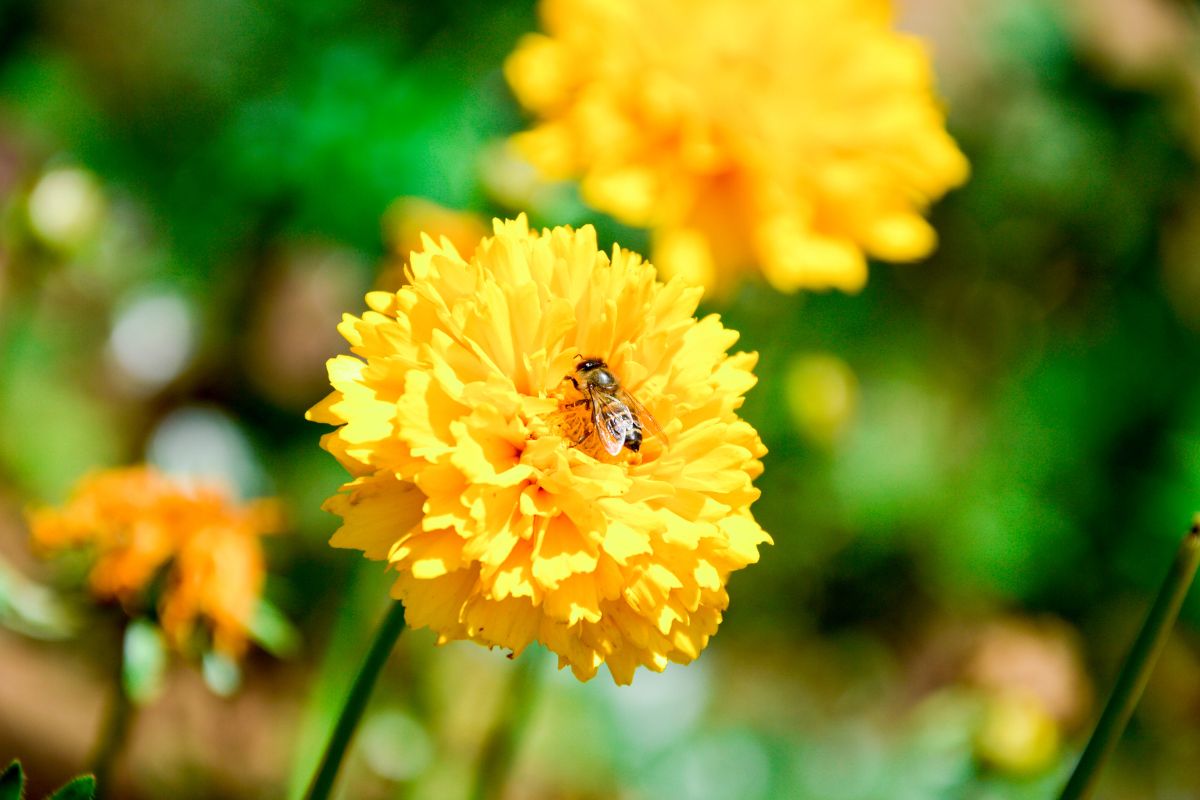
Pollination is very important. It happens when bees move pollen from one flower to another. This helps plants grow fruits and seeds. A lot of major crops, like apples, almonds, blueberries, and cucumbers, depend on this work that bees do. About one-third of the food we eat comes from plants that need bees to spread pollen, so these small animals are needed for the foods people enjoy. What bees do not only helps the amount of crops people get, but also keeps nature and farming healthy and steady. A strong bee population is very important for farms and the environment.
Why Bees Are Important to Our Planet’s Biodiversity
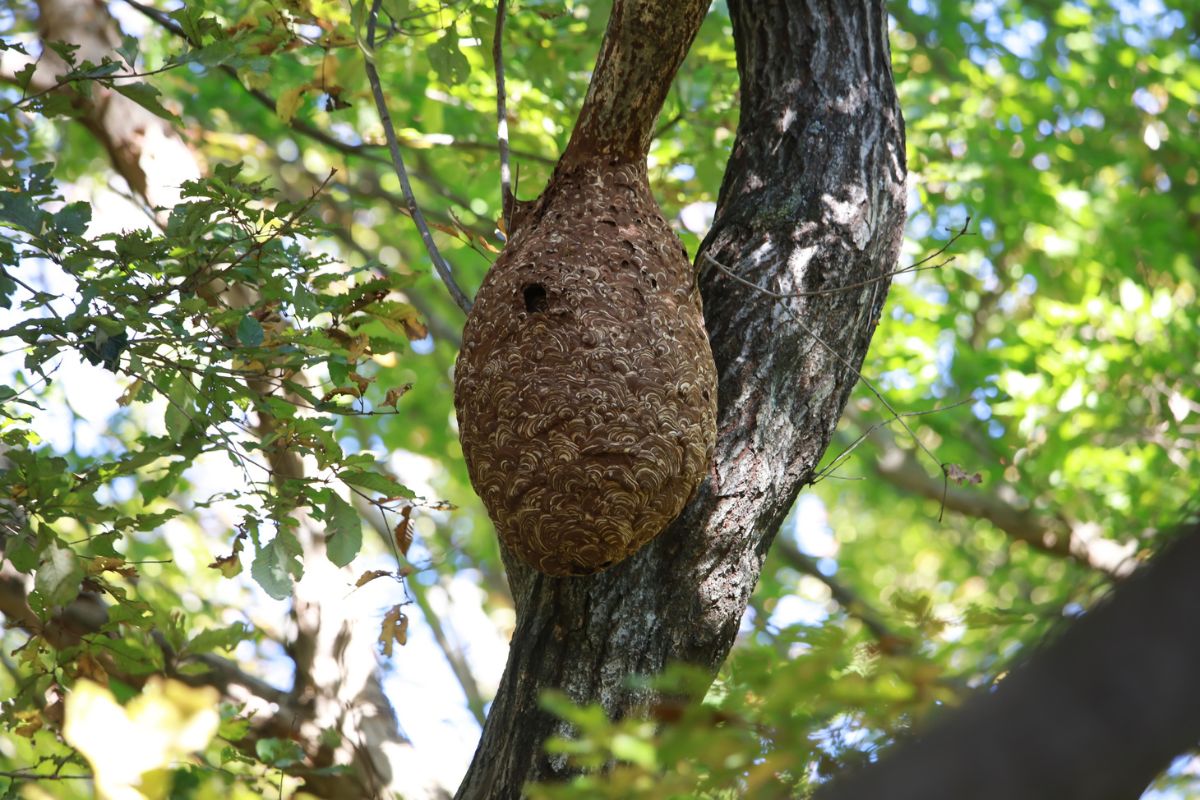
Bees play a big part in keeping our planet healthy. They are very important for helping plants grow by moving pollen from one plant to another. Many wild plants need bees for this. When bees help these plants, it also helps animals like insects, birds, and mammals that live in these areas. A wide mix of flowers need bees to make new plants, and this keeps the homes for many animals strong. By keeping these food chains working, bees help balance nature, which we need for a safe and healthy world.
Bees as Keystone Species in Wild Ecosystems
Bees do more than help on farms. They are important in many places in nature. Bees help many flowers and trees grow by moving pollen from one plant to another. When bees do this, it helps lots of animals live and find food. Birds, other bugs, and other animals all need this help. Bees help lots of plants live, and that helps keep nature balanced. Bees are very important to keep life going strong in the wild. Without them, many plants and animals would not do well.
Why Are Bees Useful in Everyday Human Life and Economies?
Bees help us in many ways every day. Their honey, wax, and other hive products make our food, the things we use in our homes, and things like lotions better. Bees are important for more than just helping plants grow. Keeping bees gives people jobs and helps small towns and farms make money. Bees’ role goes far past just making plants and crops grow.
Hive Products: Honey, Wax, Propolis, and More
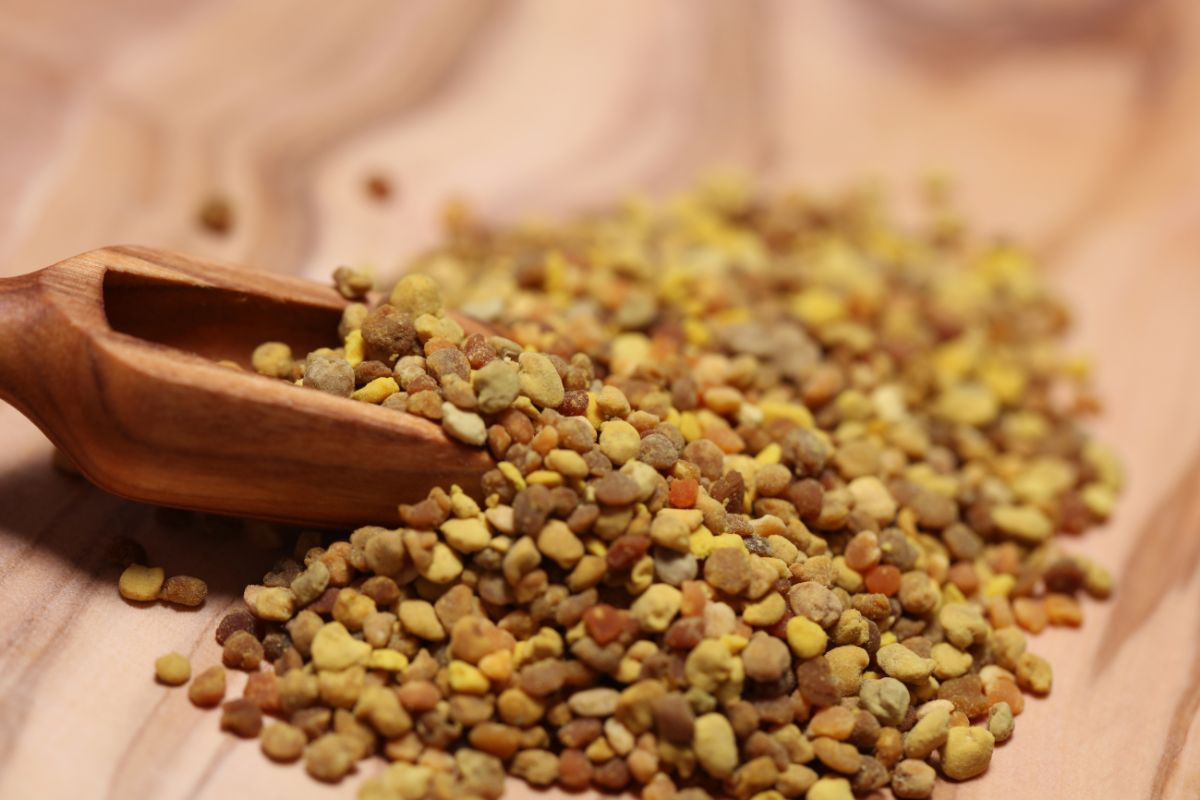
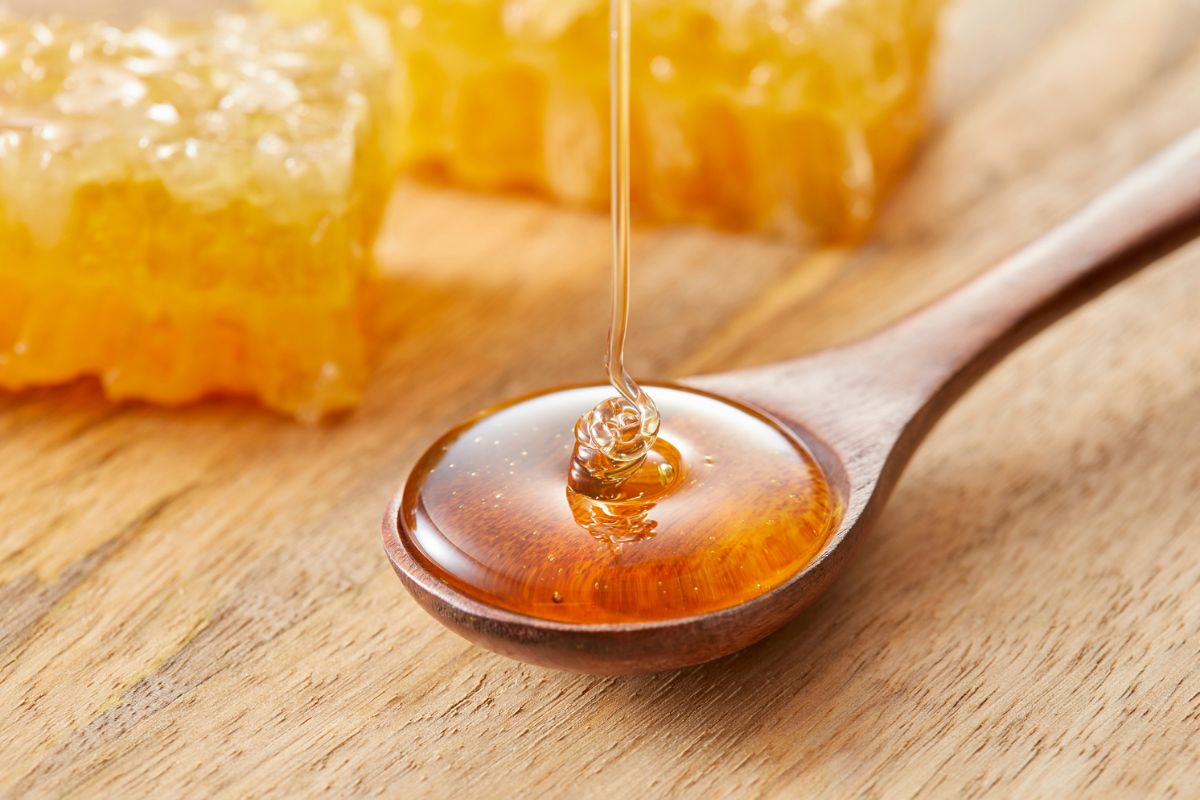
Bees make several useful things that help us every day. Honey, made from what bees get from flowers, adds natural sweetness and helps with health. Beeswax comes from worker bees and is found in things like makeup and candles. Propolis is a sticky stuff that helps with health and can be seen in wellness products. These things made in the hive help local businesses and many types of work, like food and wellness. Bees support people and workplaces in ways that bring real benefits for us.
Honeybee Super-Pollinators: Why Is Honey Bees So Important for Agriculture?
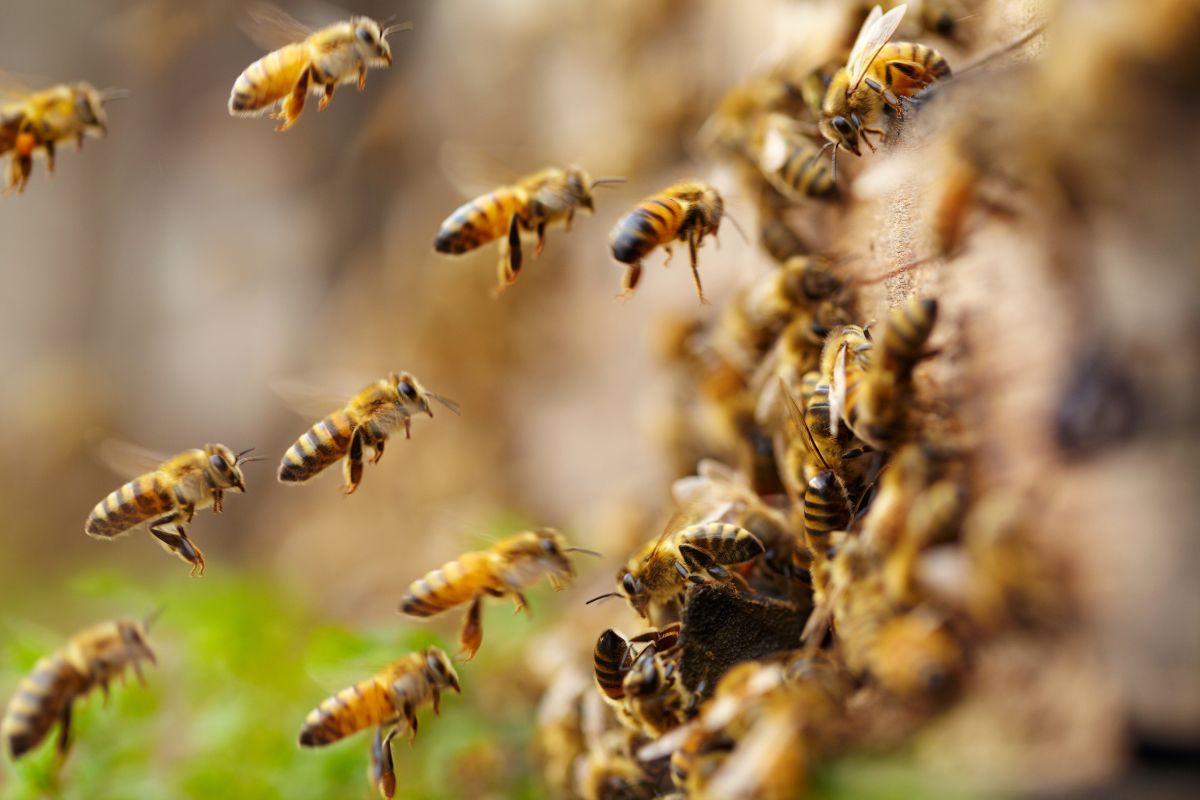
Apis mellifera, also known as honey bees, are of big help in farming. They do a great job pollinating crops, which leads to more food and better fruits. People really need them when it comes to growing our food. Knowing how important honey bees are can help us see why it matters to protect them when we farm today.
What Makes Honey Bees Exceptional Pollinators
A well-organized hive is very important for honey bees. In the hive, there is a queen, some workers, and drones. Each one has its own job to do. The way they split up jobs lets workers spend more time on looking for food, taking care of baby bees, and keeping the hive in good shape. Some things they do, like the waggle dance, help bees tell each other where to find food. This teamwork helps them collect food better. When bees go from one flower to another, they move pollen, which helps more crops grow. This also helps many kinds of flowers grow and keeps our world healthy.
Why Are Bees Important to the Planet’s Climate and Ecosystems?
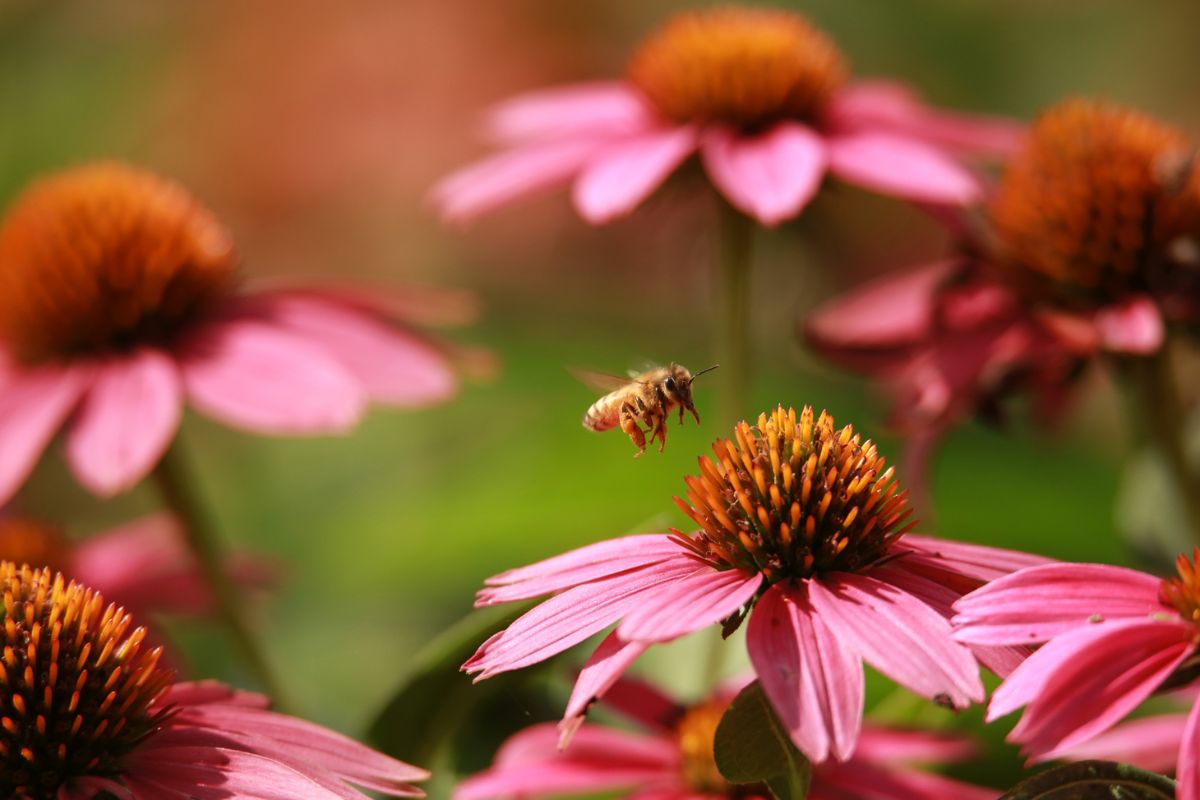
Bees are very important for keeping the earth healthy. They help pollinate plants that give us oxygen and help keep soil in place. This teamwork helps different plants and animals live together. It also helps keep the weather steady and makes land strong so it can handle change and big weather events.
Bees, Flowering Plants, and Carbon-Storing Landscapes
Bee-pollinated plants help keep soil in place and support a healthy ecosystem. They stop soil from washing away, so the land keeps its water and nutrients. This is good for animals that live in the area. These plants also take in carbon dioxide from the air and hold it in their stems, leaves, and in the ground. This helps slow down climate change. These plants give homes to many animals and help different kinds of living things grow, even when there are problems in nature.
Why Are They Important Compared with Other Pollinators?
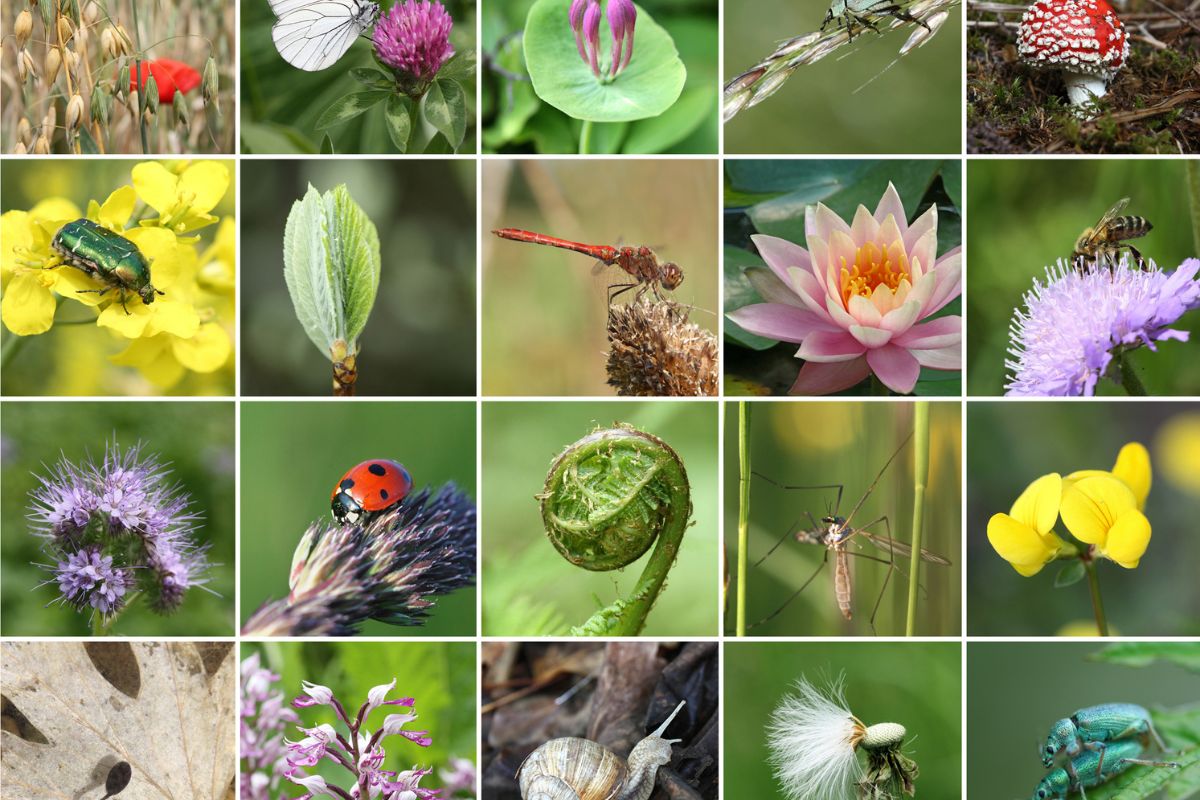
Bees are important to pollination because they work fast and in many places. There are more bees doing the job than butterflies, birds, or other animals. All of them help nature, but bees have a special way to keep food systems working. Bees also help farms grow more crops, so they are really needed.
How Bees Compare to Butterflies, Birds, and Other Pollinators
Bees give special benefits to the world around us. They show many skills when they help plants grow, and they do this better than butterflies, birds, and many other kinds of insects and animals. Bees have some smart habits, like the waggle dance. This dance helps them talk to other bees and find places with food. Butterflies and birds are also needed for plants and crops. But bees are important because there are lots of them and they move more tiny food grains from plant to plant. Keeping all pollinators safe helps the world stay in balance. It also keeps insect numbers strong and helps protect many different types of living things.
Why Are Bees Important to Our World Beyond Food and Farming?
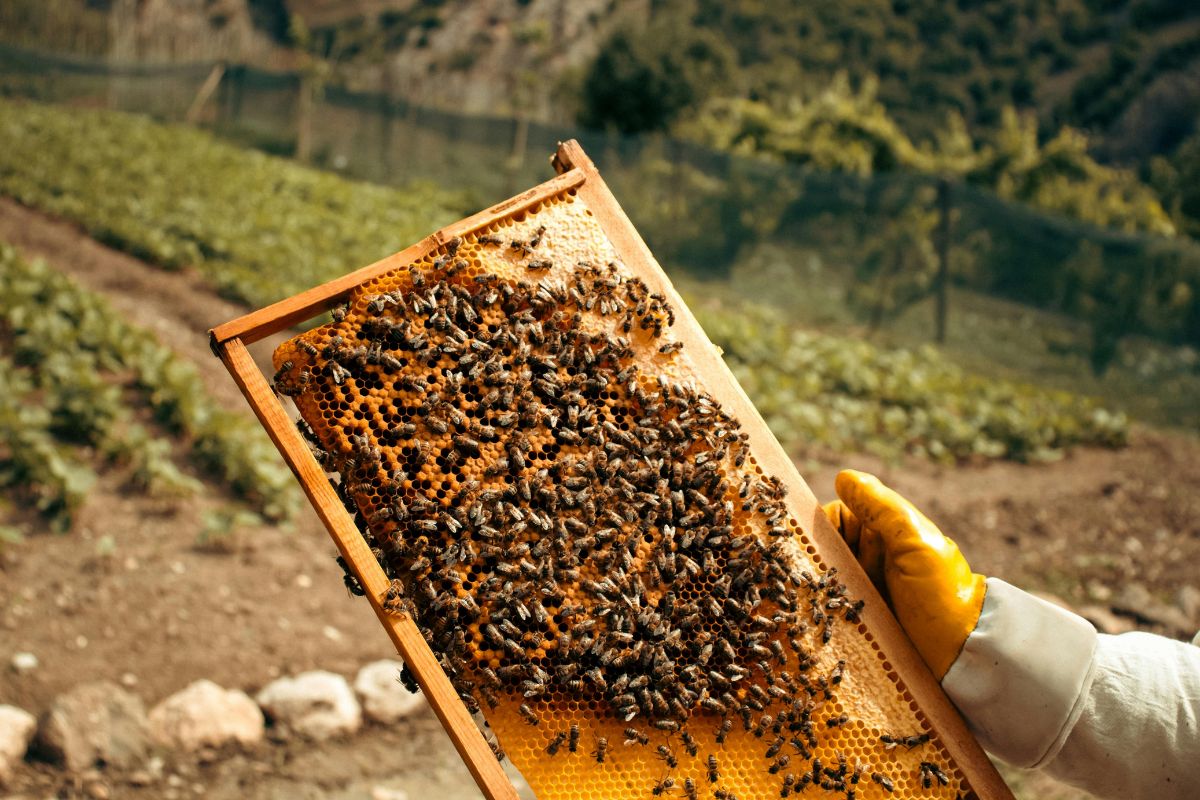
Bees do more than help with farming. They also shape our culture, beliefs, and what we learn in school. They show us what hard work and working together look like. Bees are useful when you want to teach kids about how living things connect with each other. When you look at bees, you see how every part of nature links together. They help us know why loving all kinds of life is so important.
Cultural, Spiritual, and Educational Importance of Bees
Bees have been important in different cultures and beliefs for a long time. In many religions, people see bees as a symbol of community, teamwork, and hard work. They show us how to work well together. In stories, bees are seen as messengers. They connect our world to something higher. Bees are also great for learning. They help children learn about how bees matter to the world and show how nature works. Teaching kids about bees helps them care more about our planet.
Why Bees So Important Yet So Vulnerable Today?
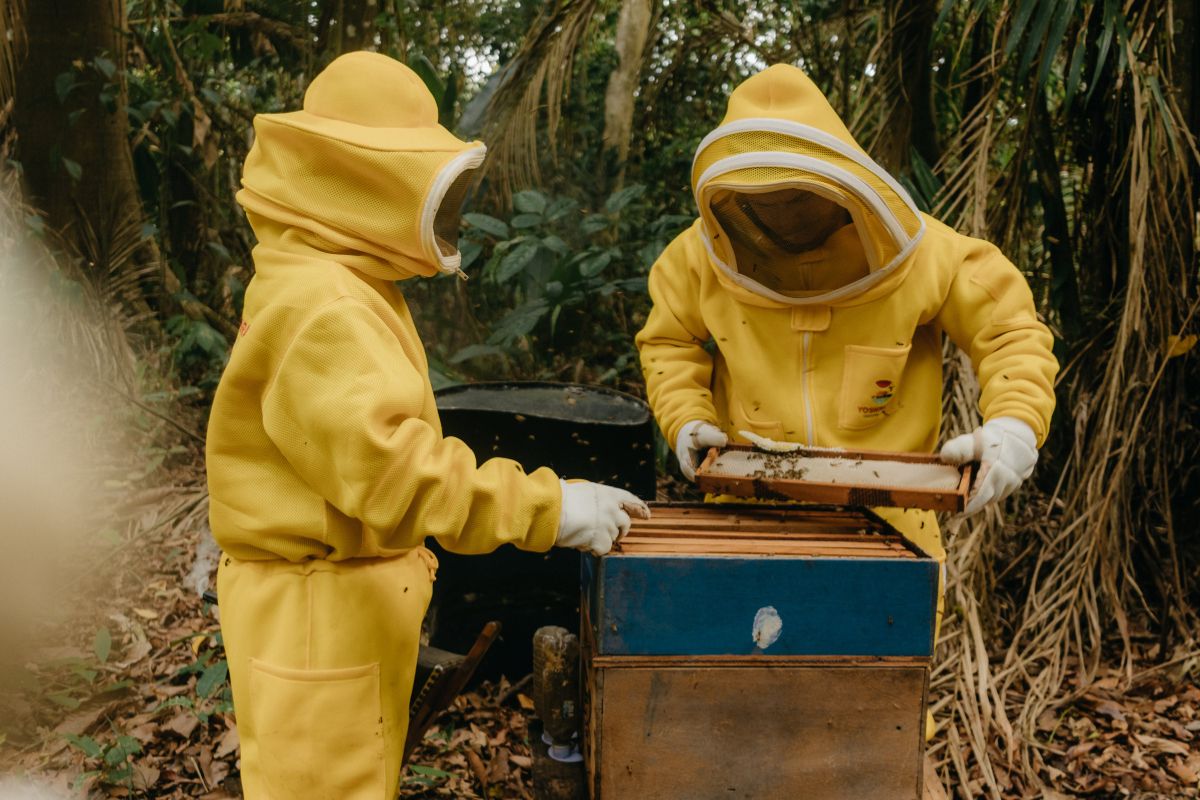
Bees are very important for nature and to help grow food. But we see many bees dying because they lose places to live, people use too many chemicals, and the weather is changing. It is key to know why bees matter so much. We all need to act fast to help bees live on.
Main Threats: Habitat Loss, Pesticides, Climate Change, and Disease
Many things make life hard for bees now. There is less space for them because people build more and use more land for farms. This takes away places they need to live. A lot of people use pesticides that hurt the bees’ health, so they get sick easier. Bad insects who are not from here come in and try to take the same food as bees. This makes it harder for bees to live and find what they need. Weather changes all around the world make flowers bloom at new times and change when bees get food. The bees’ way of finding food also has to change now. All these problems together mean people need to know what’s going on and do something soon to help save these important pollinators.
Why Are Bees So Important for Future Generations?
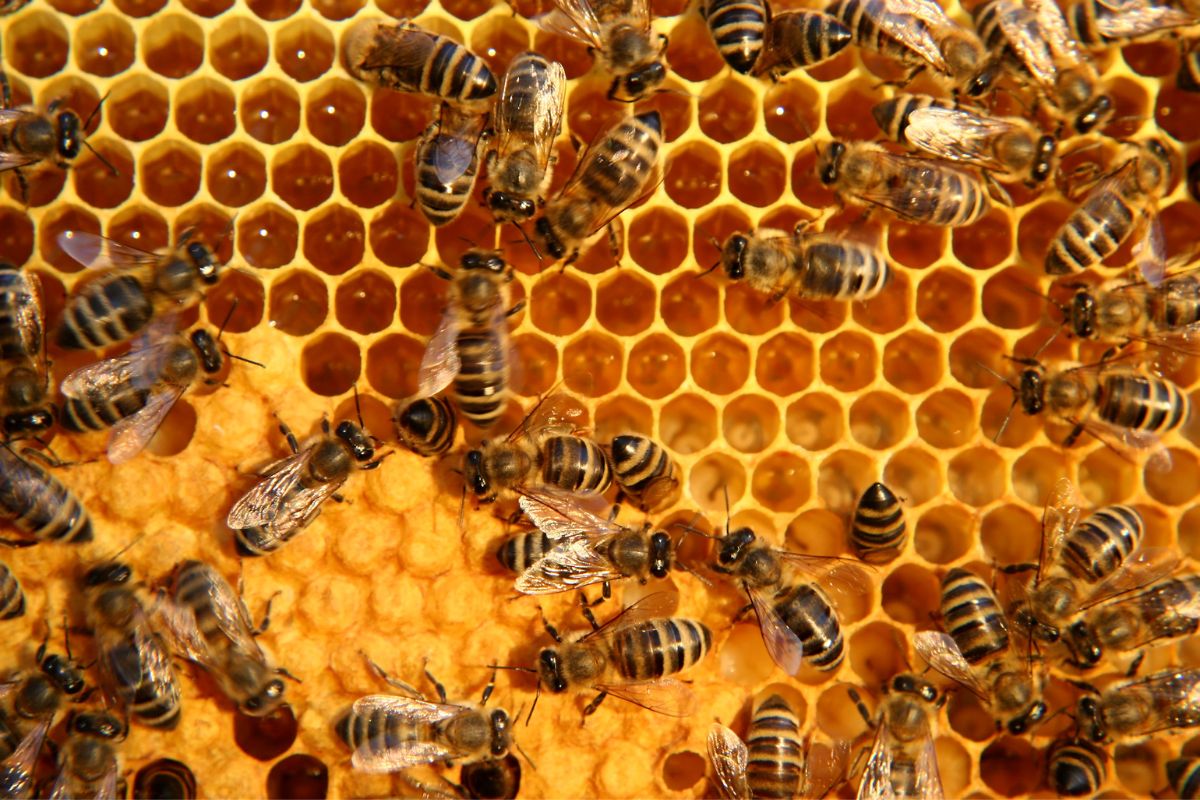
Bees help all of us and the future because they help plants grow our food. They are here to keep food steady by moving pollen between plants. This keeps the earth strong and healthy. When there are many different plants, bees help the land in the right way.
If bees go away, food will get more costly for people. The land and plants will weaken, and this will hurt every living thing.
What Happens If Bee Populations Keep Declining?
If the number of bees keeps getting smaller, we could have less types of crops and food may cost more. The world around us will not stay balanced and may become weak. This will start a chain reaction, causing more living things to go away. It hurts not only plants, but also all the food webs and places animals live around the world.
How You Can Help Bees in Your Garden, Community, and Beyond
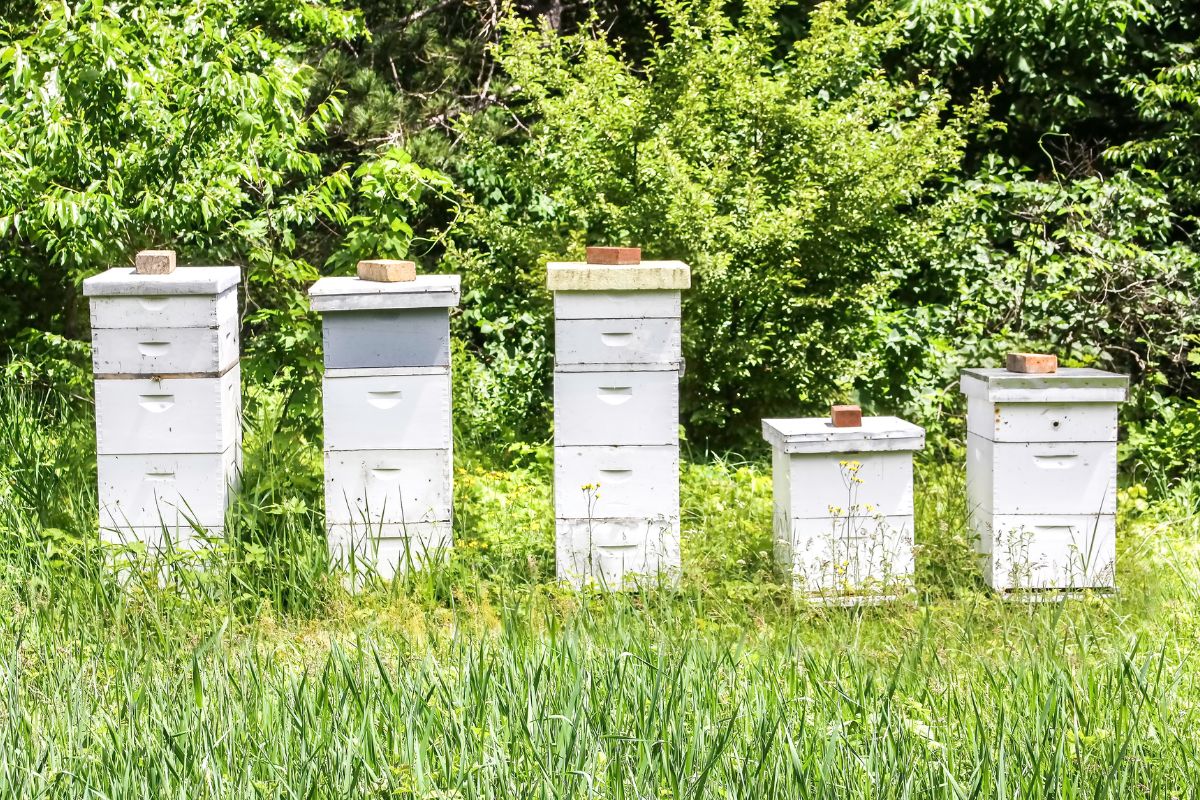
Making a place that bees like is easy and gives you joy. Start with planting flowers from your area that open up all season. This helps the bees get what they need to eat. Do not use chemicals on plants. These can be very bad for bees. You can also set up places for bees to live, such as bee hotels or stacks of sticks. These help alone bees feel safe. Buying honey made near you and speaking out for rules that help bees can make a good difference, too. It also gets other people to help in your area so we all save these helpful bugs.
Practical Actions: Gardens, Consumer Choices, and Advocacy
Creating a space that is good for bees can begin in your own yard. Plant many kinds of flowers, herbs, and local plants, which help many bees come and get what they need from the plants. Choose to garden in a way that is good for these insects, avoid chemicals that hurt bees, and go for natural ways instead. Buy local honey. This will be good for your health and give support to people in your area who keep bees. Speak up for rules in your area that help bees stay safe. You can also join projects that let people track and help keep these insects safe.
So How Does Crete Fit In?
One of the most meaningful displays of the Museum of Heraklion, the Museum that is home to a large portion of the distinguished unrevealed facts of the popular Minoan Civilization, is an admirable brilliant jewel, “Two Bees” which are supposed to be enamored with one another. This Bee Pendant the most dependable declaration of the association between the Cretan individuals and the honey bee.
The honey bee assumed a focal role in the Minoan and Mycenaean Civilization. Beekeeping was a Minoan specialty, that produced matured nectar drink mead, that is even older than wine! The bee was considered to be a sacred insect that also could connect the world of the living to the underworld. Additionally, the honeybee was the symbol of the Minoan-Mycenaean Goddess Potnia, or “The Pure Mother Bee“ as she is also called. Her priestesses, as well, were given the name Melissa, signifying “honeybee”.
What Can Elissos Offer?
At Elissos, we pride ourselves for offering various diverse travel experiences that are simultaneously fun and educational!
If you want to dive into the fascinating cosmos of bees, our Magic Bee World tour is the one for you! In this exciting tour, you have the opportunity to visit a local apiary. Once you are there, find out about the delicious and ancient history of honey, as well as the process of honey production. Your host for the day is a local beekeeper and honey producer, so you gather up all your questions! and prepare for a very interesting discussion with the expert!
Explore one of our sweetest tours! Start from the traditional village of Assites, where you will get familiar with the traditional lifestyle of Crete today. The History, Tradition and Folk Arts Tour is an amazing way to get an authentic taste of Crete’s culture. Visit the local Honey Workshop where you will learn all about the honey processing and production and try local thyme honey. After a fun day of tastings and cooking with locals, it is time to head back to your accommodation. You may reflect on what it means to live like a Cretan? How does their culture resemble yours?
The King of our classical tours, the Knossos Palace and Heraklion Archaeological Museum tour. This private guided tour, is one of the main reasons thousands of tourists flock to Crete each year. Knossos is a significant archaeological site in Crete and worldwide. This is what makes this experience a must-do! It is also a golden opportunity for you to witness the Bee Pendant displayed at the Heraklion Archaeological Museum. This amazing visit, covers over 3000 years of history in the most interactive manner!
Conclusion
The importance of bees is easy to see. They play a big part in keeping our food growing, helping the world’s plants, and being good for the economy. Bees also matter in many cultures. If you ask why bees are important, you will find that they are linked to our own lives and to the health of the planet. As more threats come to them, what we do to help these tiny creatures matters now more than ever. If we take care of our environment and make good choices, bees can keep doing their important job for many years.