
Explore Unique Greek New Year Traditions You’ll Love

In Greece, the transition into a new year is about much more than just a countdown and fireworks. It is a time known as Πρωτοχρονιά (Protochronia), where ancient superstitions meet deep family bonds and, of course, an incredible amount of food.
While much of the world focuses on resolutions, Greeks focus on luck. Every action, from the person who first enters your house to the way you cut a cake, is designed to invite abundance and joy for the coming twelve months. Whether you’re planning a trip to Greece or want to bring some Mediterranean magic into your own home, this guide will walk you through the traditions that make a Greek New Year so unforgettable.

Greek New Year in Greece: Set the Scene
New Year’s Eve in Greece is a marathon of hospitality. Families gather for late-night dinners that often stretch into the early hours of the morning. While the cities host grand firework displays over the Parthenon or the White Tower, the true celebration happens around the dining table. January 1st isn’t just a recovery day; it is a culturally massive holiday that sets the tone for the entire year.
Saint Basil (Agios Vasilios) and Greek Gift-Giving
If you’re looking for Santa Claus in Greece, you won’t find him on December 25th. Instead, we welcome Agios Vasilios (Saint Basil) on January 1st. Saint Basil was a 4th-century bishop known for his immense charity and kindness toward the poor. Because his feast day falls on the first of the year, this is traditionally when Greek children receive their gifts. It adds an extra layer of magic to New Year’s morning, making it the most anticipated wake-up call of the year.
Protochronia: How Greeks Welcome the Year at Midnight
At the stroke of midnight, the atmosphere shifts from festive chaos to symbolic ritual. Lights are often turned off and then back on to symbolize a fresh start and the «turning away» of the old year. There is a palpable sense of purity and renewal. In many households, the first few minutes of the year are spent in silence or prayer before the room erupts into «Kali Chronia» wishes and cheek-kissing.
New Year Traditions in Greece for Good Luck
Greeks take their «luck» rituals very seriously. These aren’t just for show; they are practiced with genuine hope for a prosperous year.
Podariko (First Footing) and the “Lucky” First Visitor
The Podariko is perhaps the most famous custom. It dictates that the first person to step foot in your house after midnight determines the household’s luck. Usually, families choose a small child, symbolizing innocence and purity, or a person considered particularly «lucky» and kind-hearted. The person must enter with their right foot first to ensure everything goes «right» throughout the year.
Smashing the Pomegranate for Abundance
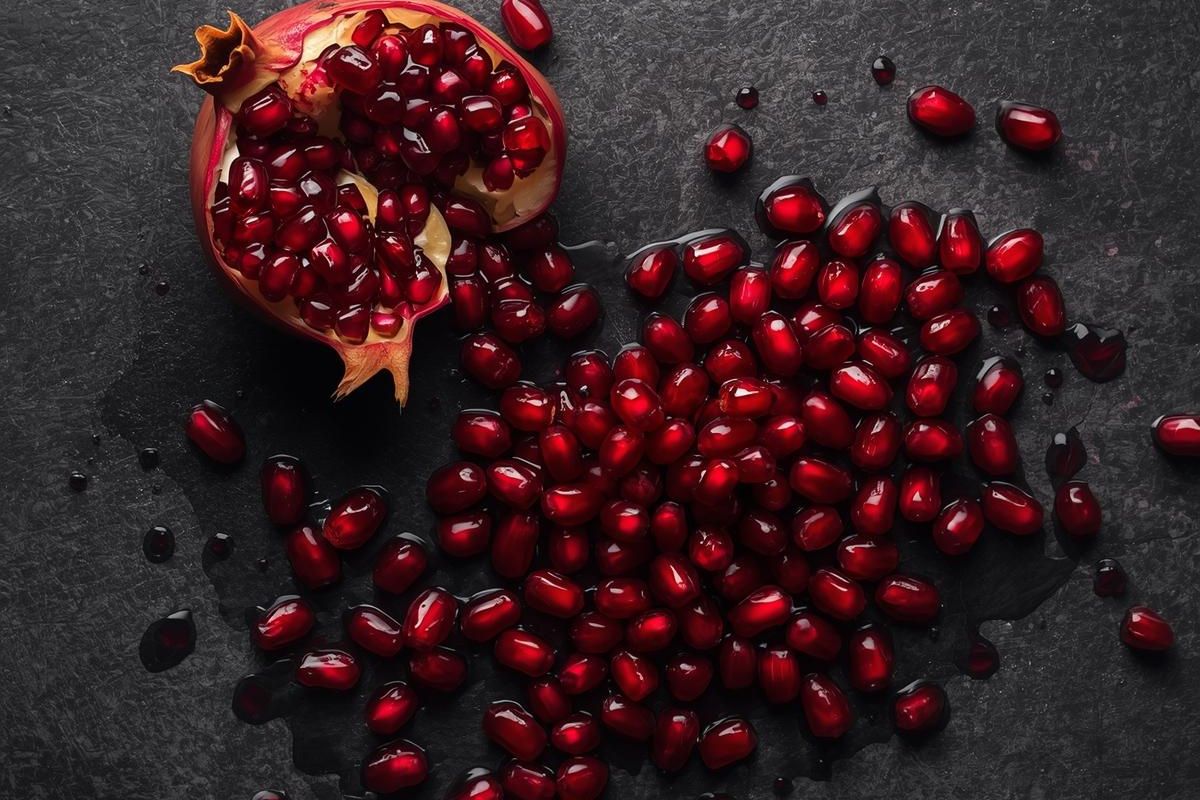
As the «lucky» person enters, or right at the threshold, a pomegranate (rodhi) is smashed against the floor or the front door. The goal? To get as many seeds as possible to scatter. In Greek culture, the pomegranate is an ancient symbol of fertility, abundance, and wealth. The more seeds that fly across the floor, the more money and health the family will enjoy.
Hanging Onions or Sea Squill for Renewal and Growth
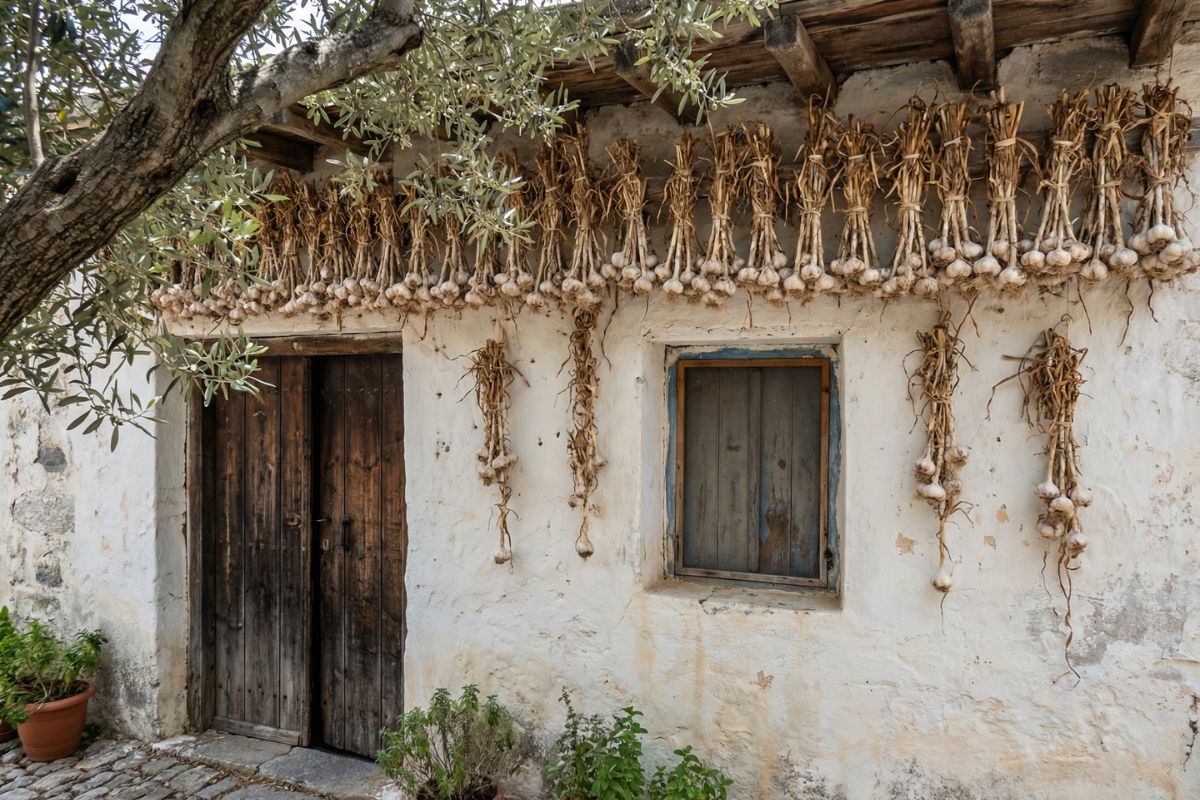
You might notice a large, foil-wrapped wild onion (kremmida) hanging above Greek doorways in late December. This is the Skiila, a wild onion that grows even after being uprooted. Particularly in Crete, this symbolizes the «resilience of life.» It is meant to remind the family that they, too, have the strength to flourish and grow, no matter the challenges of the coming year.
Festive Sounds and Playful Rituals to Try
Greek New Year is loud, social, and a bit competitive!
Singing the Kalanda (New Year’s Carols)
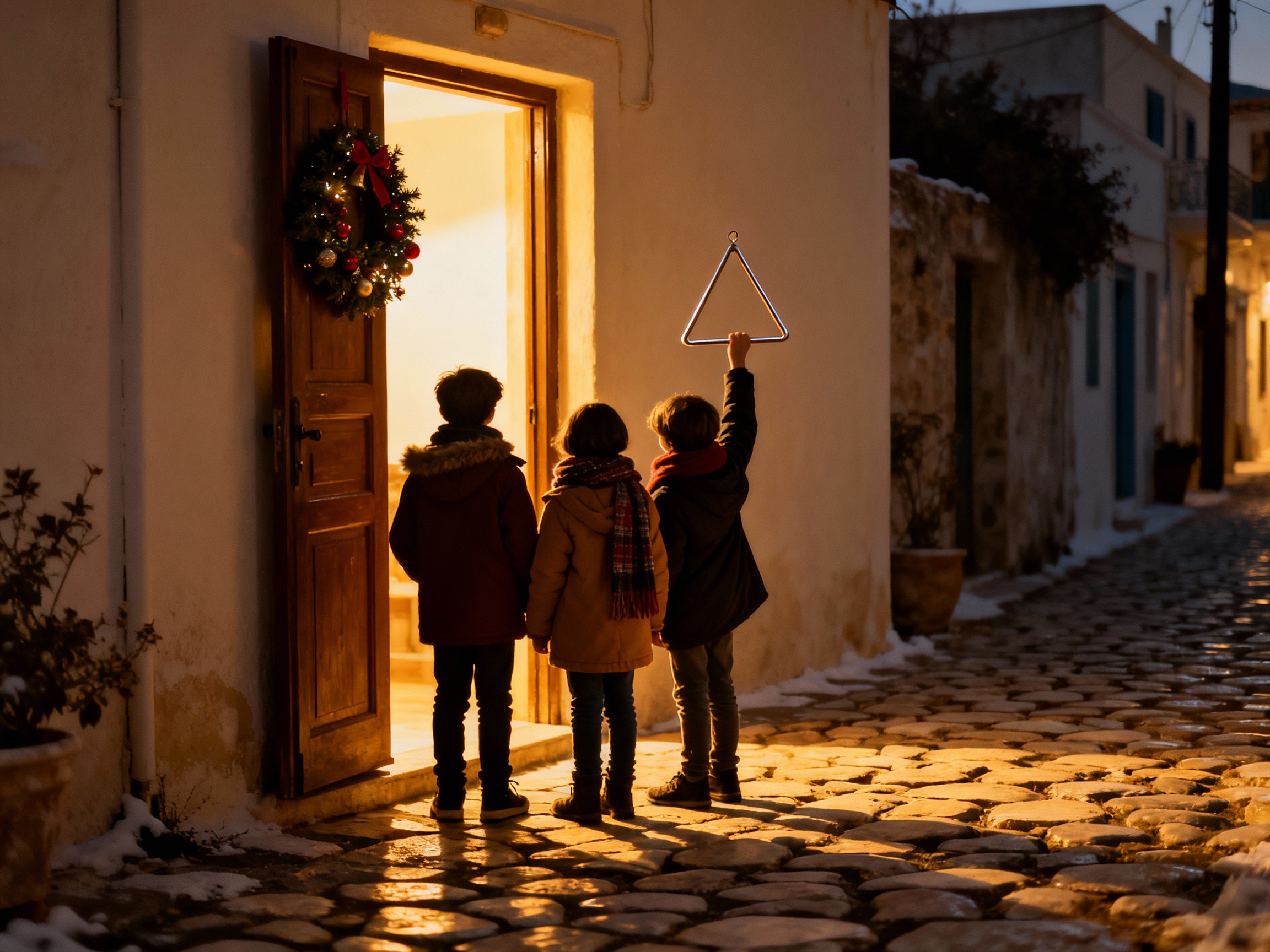
On New Year’s Eve morning, you’ll hear the rhythmic «ting-ting» of metal triangles. Children go door-to-door singing the Kalanda, traditional carols that tell the story of Saint Basil’s arrival. In exchange for their songs and «good year» wishes, homeowners give them small treats or coins. It’s a beautiful, noisy neighborhood tradition that keeps the festive energy high all day.
Playing Cards, Dice, and “Luck” Games
New Year’s Eve is the one night of the year when gambling is culturally encouraged in Greece. Whether it’s a high-stakes card game at a local cafe or a friendly family game of dice at the kitchen table, Greeks believe that if you are lucky in games tonight, you will be lucky in life all year. Don’t worry if you lose, though, the common consolation is: «Unlucky in cards, lucky in love!»
Vasilopita: The Famous Greek New Year’s Cake
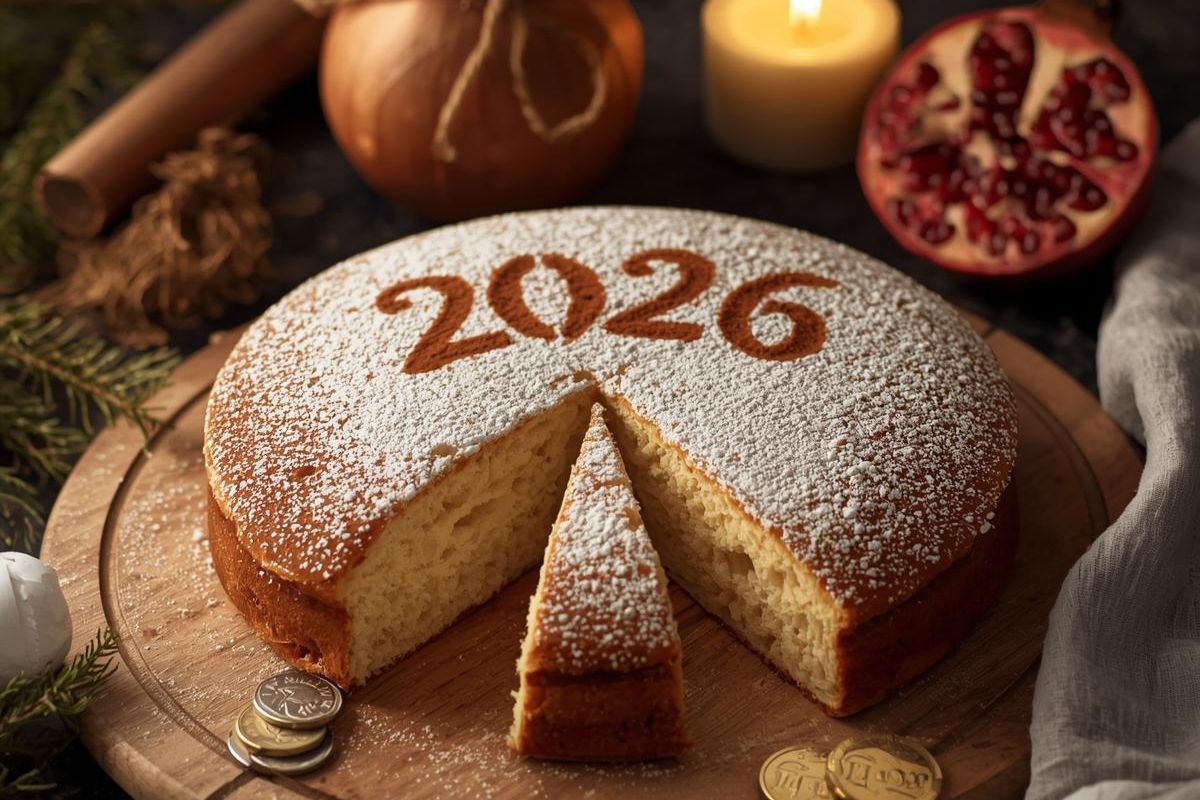
The Vasilopita is the undisputed crown jewel of the Greek holiday season. It is a sweet, bready cake flavored with orange, anise, or mahlab, and it carries a secret.
How the Vasilopita is Cut: Slices for Blessings and Family
Cutting the Vasilopita is a solemn ceremony. The head of the household marks a cross over the cake with a knife and then cuts slices in a specific order:
- The first slice is for Christ.
- The second is for the Virgin Mary.
- The third is for Saint Basil.
- The fourth is for the House/Poor.
- Then, slices are given to every family member, starting from the oldest to the youngest.
The Flouri Coin: What it Means if You Find It
Hidden inside the dough is a flouri (a gold or silver-colored coin). As everyone eats their slice, the room goes quiet until someone shouts that they’ve found it. Finding the coin is the ultimate sign of favor; that person is said to be the luckiest of the family for the entire year. Often, the «winner» also receives a small gift or a sum of money from the rest of the family.
Greek New Year Food Traditions: What’s on the Table
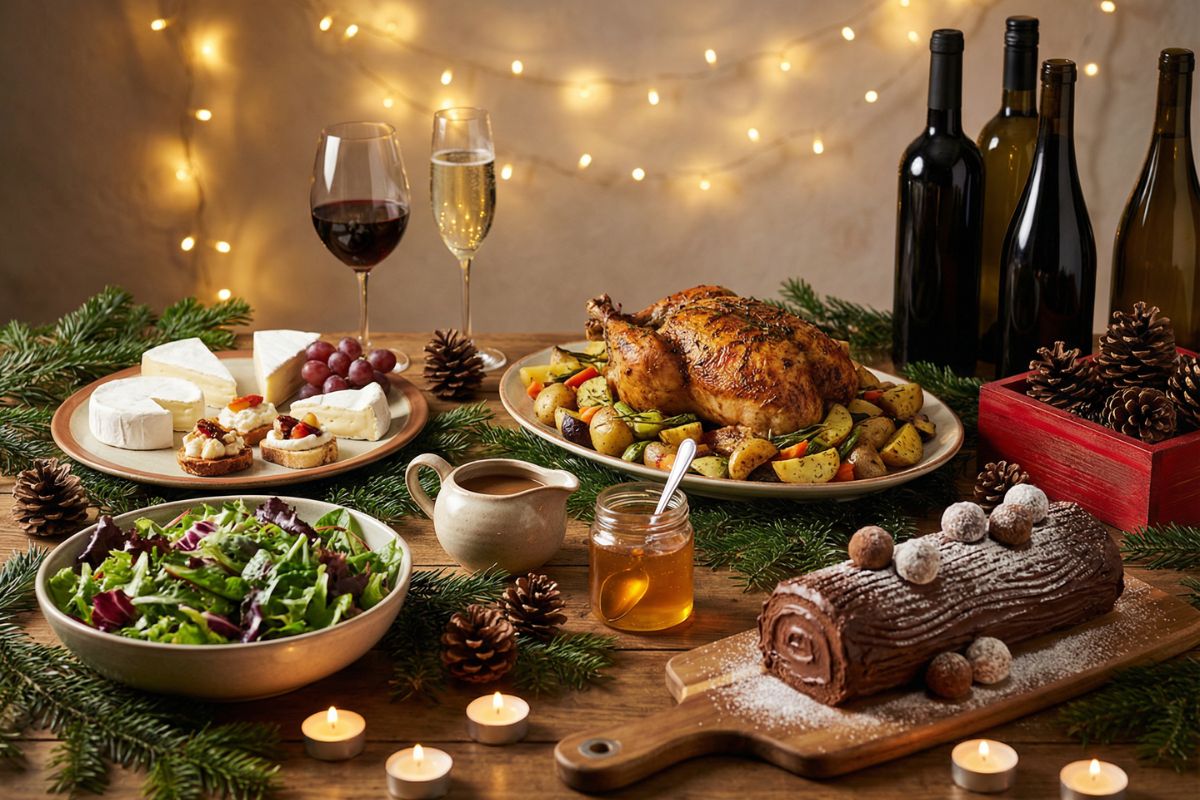
No Greek celebration is complete without a table that looks like it’s about to collapse under the weight of the feast.
New Year’s Sweets: Kourabiedes, Diples, and More
The dessert table is a landscape of powdered sugar and honey. You’ll find kourabiedes (almond shortbread cookies), but diples often steal the show on New Year’s: cooks fold thin sheets of dough, fry them until crisp, then drench them in honey and walnuts. Many Greeks say the folds symbolize the swaddling clothes of the infant Christ.
Savory Feast Ideas: Pies and Hearty Stews
The savory spread usually features a «central» meat, like roasted pork or lamb. You’ll almost always find a festive pie (pita), like Kreatopita (meat pie), and classic comfort foods like Dolmades (stuffed grape leaves) or a bowl of lemon-egg soup (Avgolemono) to keep everyone warm through the long night of celebrations.
Greek New Year Greetings and Wishes
If you find yourself among Greeks this season, here is the essential vocabulary you’ll need to fit right in:
- Καλή χρονιά! (Kali Chronia!) — Happy New Year!
- Χρόνια Πολλά! (Hronia Polla!) — Many Years! (Used for almost every celebration).
- Καλή Πρωτοχρονιά! (Kali Protochronia!) — Happy New Year’s Eve/Day!
- Το Φλουρί (To Flouri) — The lucky coin.
- Το Ρόδι (To Rodhi) — The pomegranate.
Conclusion
Greek New Year is a beautiful reminder that the start of a year is a chance to reset your spirit, honor your family, and have a bit of fun with the unknown. Whether you choose to smash a pomegranate at your front door or simply bake a cake with a hidden coin, these traditions bring a sense of purpose and «good energy» to the holiday.
Καλή χρονιά και ευτυχισμένος ο καινούργιος χρόνος! (Kali chronia ke eftychismenos o kenourgios chronos!) «A good year and a happy new year to you!»