
Exploring Zeus Crete: Key Sites in Greek Mythology
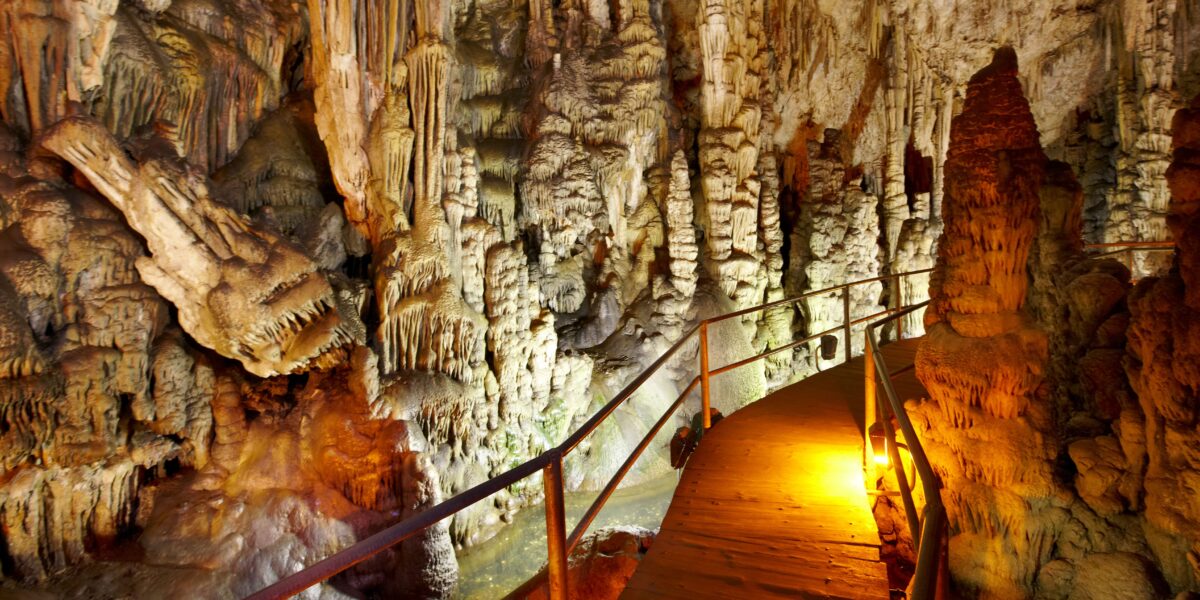
The story of Zeus in Crete is more than an old myth. It is a key part of greek mythology. The Diktaean and Idean caves are the places where people say he was born. These spots, with the rich land around them and the remains of old cities, are linked closely in crete’s history. Many of these ruins are among the most important archaeological sites in Crete for visitors who want to explore both myth and history. As people’s ways of worship changed, these caves became more important. They became special places for people to visit in the heart of minoan heritage.
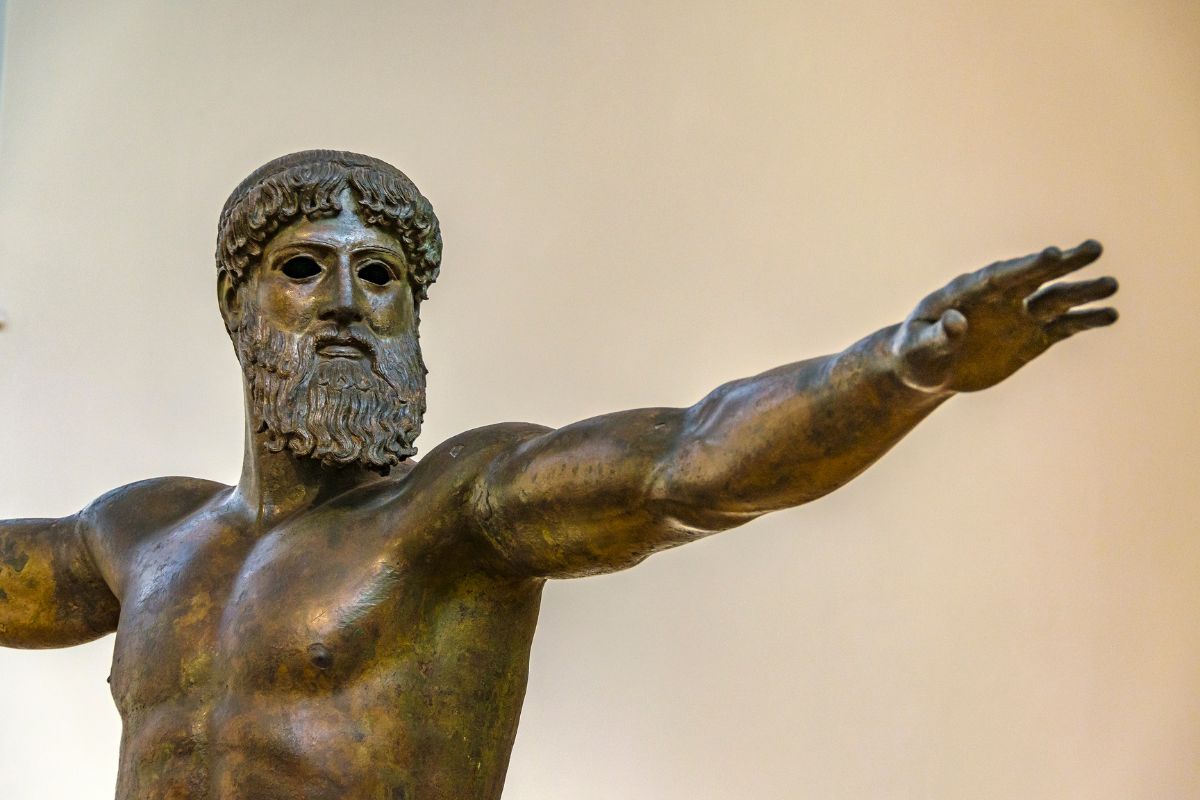
The Myth of Zeus in Crete: Birth, Hiding, and Kingship
The stories about Zeus and Crete are a big part of greek mythology. These stories tell us how Crete became the safe place for the birth of zeus. In these tales, his mother rhea picked crete because she needed a secret spot to have her god.
With this, crete became a key point in the early days of zeus. The myths say he grew up here. He was watched over by nymphs and brave fighters. All of this made it possible for him to one day be in charge of all gods and people on Mount Olympus.
Cronus, Rhea, and the Prophecy of the Child Who Would Rule
Cronus heard about a prophecy that said one of his kids would take his power. Full of fear, he swallowed every child that Rhea had. But Rhea came up with a way to save their youngest. She hid Zeus and fooled Cronus with a stone instead. This moment started everything that led to Zeus fighting back against Cronus. That is how the cycle of power and prophecy began. This story is a big part of greek mythology and still means a lot to people now.
The Caves of Zeus: Dikteon vs Idaean – Competing Birthplaces
Two caves both claim to be where Zeus was born. These are the Diktaean Cave and the Idaean Cave. The Diktaean Cave sits close to Mount Dikte. Stories say that the cave is where Zeus was kept safe from Cronus, his father. Inside, there are stalactites and old objects that show the cave’s importance. The Idaean Cave is more to the northwest, on Mount Ida. People say the god Zeus also began his life there. Today, both caves draw people interested in greek mythology, as well as archaeologists. They are important for learning about the god Zeus, mythology, and how people in the old Minoan days would worship.
Amalthea, the Curetes, and the Secret Upbringing of Zeus
Amalthea helps take care of Zeus in the cave of Zeus. She feeds him goat’s milk to keep him safe from Cronus. The Curetes, who are warriors, help hide the baby god’s cries. They do this by dancing loudly and banging their weapons together, so no one hears him. The way Zeus is raised shows how greek mythology sees loyalty and protection as important. With Amalthea and the Curetes, Zeus gets the help he needs to be strong. Later, he does what the prophecy says and defeats Cronus.
Zeus, Europa, and the Three Cretan Kings
The story of Zeus and Europa is a big part of greek mythology. Zeus turned into a white bull to win Europa’s heart. Because of this, they came together and started a family. Their journey led to Crete where they had three sons: Minos, Rhadamanthys, and Sarpedon. Each son became a king in crete and was important in greek mythology. Minos made laws for people. Rhadamanthys was fair and just. Sarpedon is part of brave stories and helped shape minoan culture.
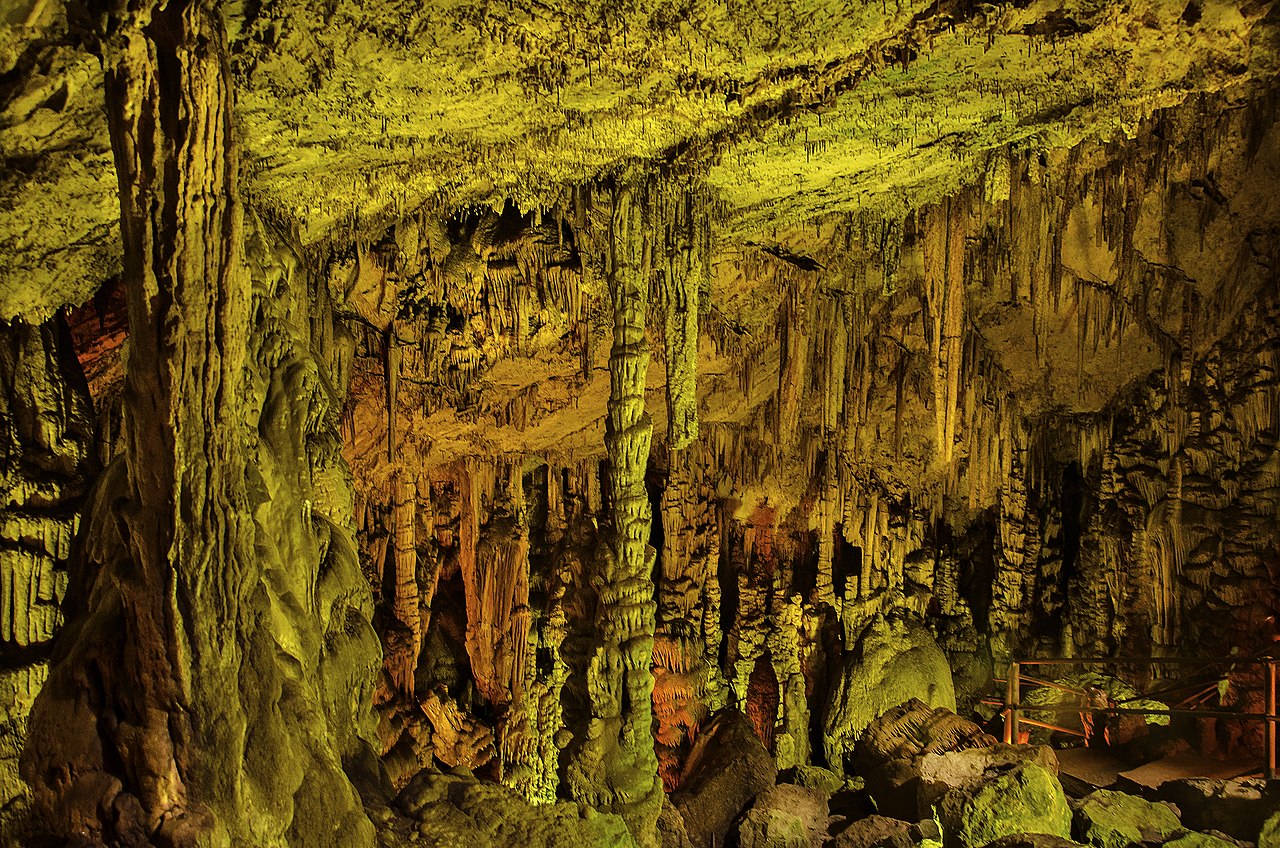
Image by: Andloukakis
Dikteon Cave (Psychro Cave): Core “Zeus Crete” Birthplace
The Dikteon Cave is the most well-known spot connected to the birthplace of Zeus. You can find it on the Lassithi Plateau in eastern Crete. Mythology tells us this is the sacred cave where Rhea kept her baby son hidden. People have looked up to it for thousands of years because it means a lot in mythology.
Inside, the cave has big rock shapes sticking down from the top and up from the ground. This made it the perfect place for a story about a god being born. The cave started as a simple hiding place in stories and later became a main spot for people to visit. Now, it is the top location for where Zeus was born. Next, we will talk about where it is, its past, and how you can come see it today.
The Cave of Zeus in the Lassithi Plateau
In the Lassithi Plateau, you will find the Cave of Zeus. It is an important spot in greek mythology. People call it the Diktaion Cave. This place claims to be the birthplace of zeus. The sacred cave sits among tall mountains.
You can get to it by walking on winding paths. The cave shows ancient ruins and gives you amazing views. The area tells stories from the past. When you visit, you can see the legends in the stones. It mixes the natural beauty and the history of zeus, letting you think about the myth of the god raised here.
From Birthplace of Zeus to Minoan Pilgrimage Site
The story of Zeus’s birth grew into a big tradition in ancient Crete. The people there, called the Minoans, went to sacred sites to worship and honor him. They liked to pray in the sacred cave and gave offerings. This helped them feel close to the god. Their respect for Zeus lasted a long time. It mixed their mythology with daily life and showed how important Zeus was as a god and as a key part of Crete’s culture.
Offerings, Altars, and Sacred Pools
Ancient ruins in Crete show many old ways people worshipped Zeus. People left offerings like pottery and small statues. These were a way to show love and respect to the god. There are many altars all over Crete. They are often found close to water. People used them for rituals to ask Zeus for help or good luck. Some sites have special pools that were used to get clean in a holy way. These places are very important to the culture. Every object and spot found helps us see how people honored Zeus and kept his mythology alive in ancient Crete.
Visiting the Cave of Zeus Today
Getting to the cave of Zeus is easy. There are signs to help you find your way. You might have to walk a bit, so it’s good to wear comfortable shoes. When you go inside, you see tall stalactites. There is also the spot where people think Zeus was born. Many visitors say they feel the old history here. The place has a special sound and feel because it is so old. Sometimes, the cave is closed for maintenance, so it’s a good idea to check before you go. The cave of Zeus gives you some nature and the story of Zeus, so it’s a trip that many people remember for a long time.
Nearby Highlights
The Lasithi windmills show how farming is a big part of Crete’s past and still shapes everyday life in rural Crete. These windmills remind us of how people on the island have worked with nature for many years. Close villages welcome you to visit and see how life used to be. You can see how people make things by hand and feel their friendly ways. There is also a Greek mythology park nearby. The park lets you take part in fun activities that help you learn about old stories, so both kids and grown-ups can enjoy it. All of these places together show why it matters to keep our history. At the same time, you get to take in beautiful land and things people have built especially if you’re curious about traditional farming in Crete and its connection to local life. The area also gives a look into the story of zeus and greek mythology in Crete.
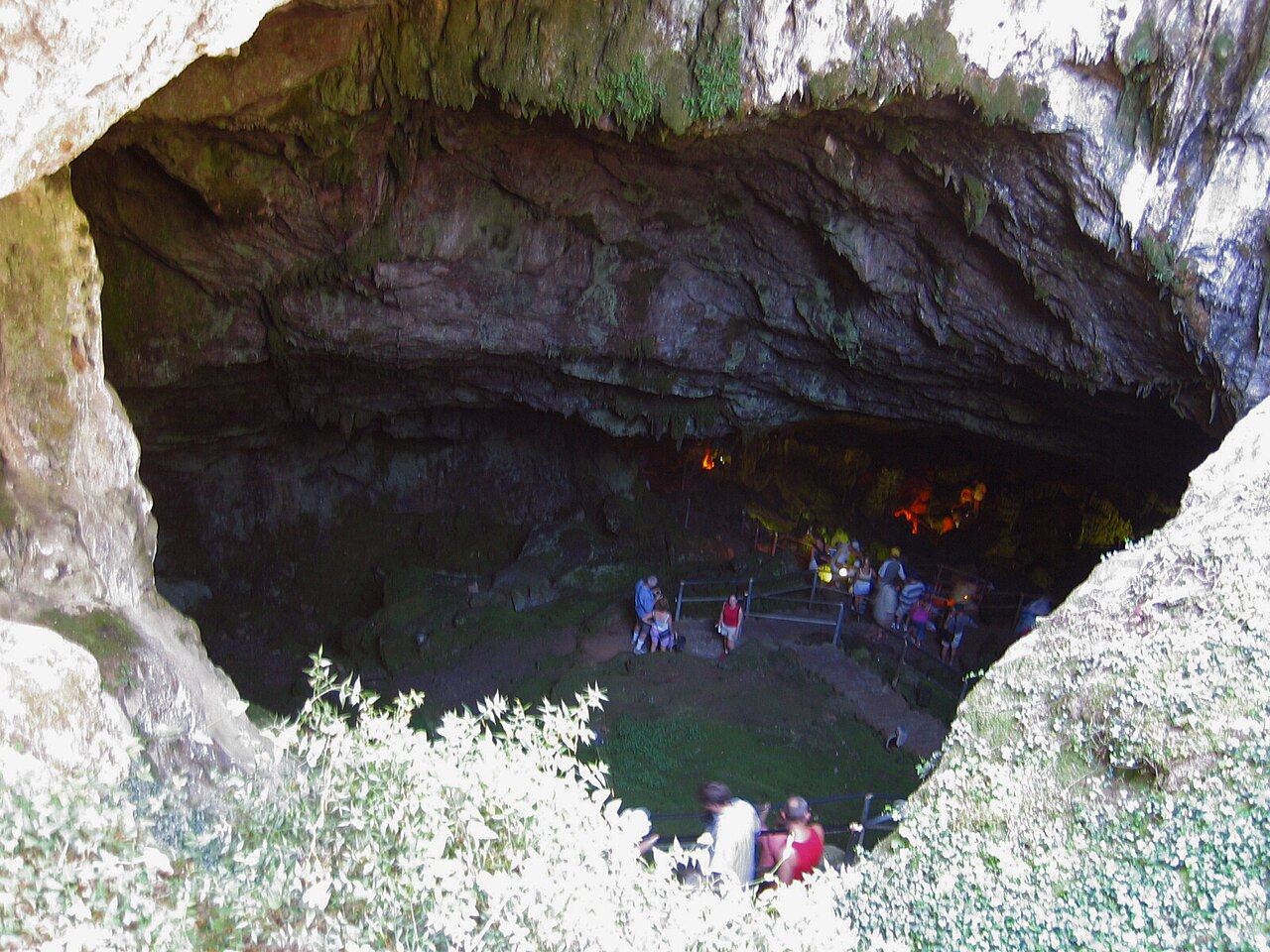
Image by: Zde
Idaean Cave on Mount Ida (Psiloritis)
While Dikteon Cave is known as the main birthplace, the Idaean Cave is seen by many as another real choice in the story of Zeus. This sacred cave sits high up on Mount Ida, which is also called Psiloritis, and this is the tallest mountain in Crete. The place is far from towns, with rough land all around. This makes it feel more wild than the other cave.
The story in greek mythology says that this cave is where baby Zeus was hidden and then raised. The Idaean Cave, like Dikteon Cave, was a very important spot in mythology and the history of Crete. People came to worship here for thousands of years. The next parts explain some special things about the place and tell you how to go there.
Alternative Birth and Hiding Place Traditions
There are many stories in greek mythology that talk about different places where zeus was born or hidden. Some people say the Melidoni Cave or the Dictaean Cave were important. In these stories, rhea, who is his mother, put him in these caves so he could be safe from cronus. Cronus was afraid that he would not be the main god anymore. The island of Crete also has other places connected to zeus and these old myths. All these sites show how strong the link is between Crete and zeus in mythology. They help tell the many stories about zeus and what he did.
Idaean Cave as a Long-Lived Cult Site
The Idaean Cave be an important place in greek mythology. Many people think of it as the birthplace of Zeus. This sacred cave was special for people who worshipped the god. For many years, people went into the cave to pray and give gifts to Zeus. They held rituals there to honor him. Things found during excavations show that it was a main place for those who followed the god. When you visit the cave, you get to see into history and feel the long-lasting story of Zeus and mythology.
Reaching Idaean Cave
To get to the Idaean Cave, you will walk across the Nida Plateau. This area is surrounded by the high Mount Ida. The cave is about 1,500 meters up, so be ready for the height. The weather on the trail can change, so you should wear strong shoes to stay safe on the rocky paths. Because the weather and trail can both change fast, it might be hard to see or walk at times. Anyone who wants to visit should check for local advice on when to hike. This will help you have a safer and better trip.
Lasithi Plateau
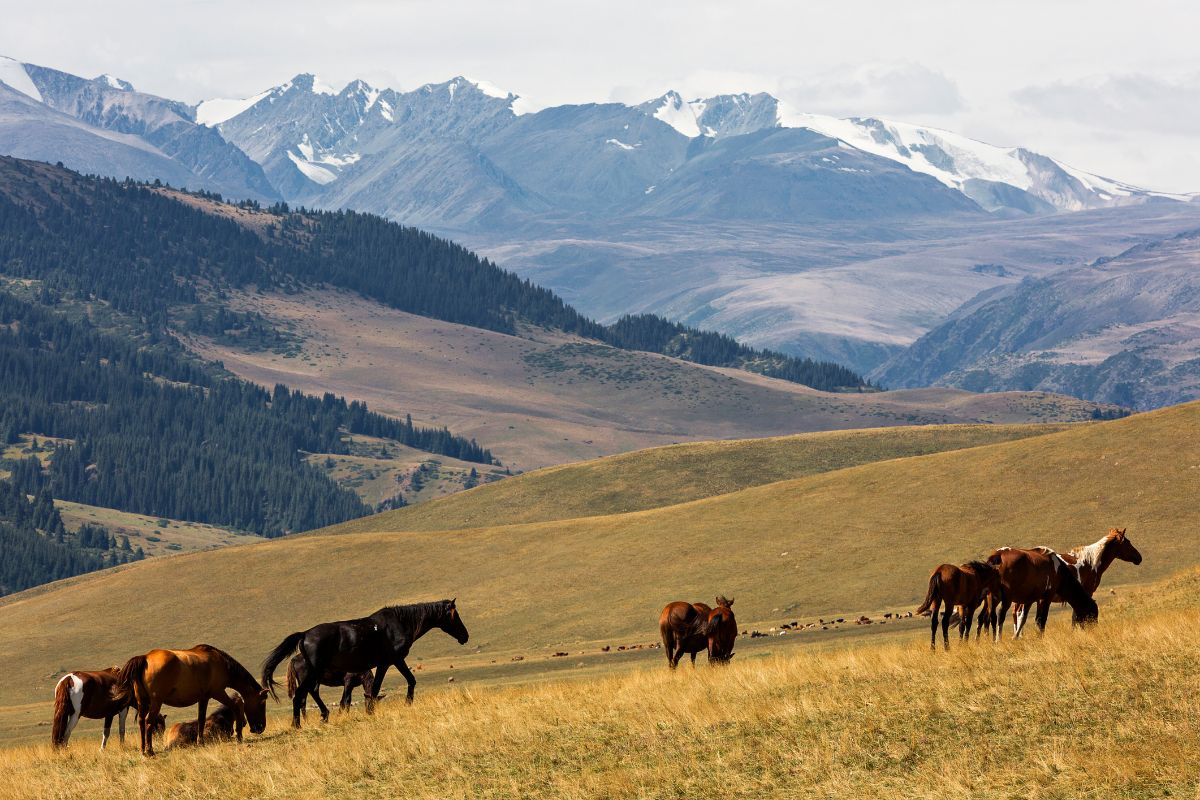
The Lasithi Plateau is not just a place. It is the setting for stories about Zeus in Crete. This flat and green plain sits inside the Dikti Mountains. Here, you will find the well-known Dikteon Cave. The whole area feels tied to greek mythology. The land has big scenes and traditional Crete villages, and you can feel the stories of mythology as you go.
When you drive through the Lasithi Plateau, it is a special thing to do. You will see mountains and flat lands. Long ago, there were many windmills here. They remind you of another time. This land raised Zeus, so it is important to people who want to follow his story. If you are into greek mythology, or want to see the dikteon cave up close in Crete, this is one trip you will not forget.
Getting to Lasithi from Heraklion, Chania, Rethymno, and Agios Nikolaos
Getting to Lasithi from places like Heraklion, Chania, Rethymno, and Agios Nikolaos is easy. There are regular buses that connect these towns, so you can get to this part of Crete without any trouble. If you want more freedom, you can rent a car. This gives you the chance to go where you want, when you want, and see new places along the way. As you travel, you will see all the amazing landscapes of Crete. Take time to enjoy the sights and have a good trip!
Best Time to Visit and Plateau Microclimate
The best time to visit the Cave of Zeus is in the spring or early fall, but if you’re visiting Crete in summer you can still explore the cave by planning for cooler morning or evening hours. In these months, the weather is nice and mild, so you will enjoy spending time outside. The area gets cool breezes at night, making it feel fresh after a warm day. People will find it easy to explore both the ancient ruins and the beautiful land around the cave of zeus. If you plan your trip during these seasons, you will get a better chance to see nature and history in this great place for yourself, while travelers coming to Crete in winter or even Crete in December can enjoy a much quieter, more atmospheric visit.
Guided Tours, Jeep Safaris, and Balloon Flights Around Zeus Cave
There are many guided tours that let you enjoy the Cave of Zeus and the area around it. If you want some adventure, you can try jeep safaris. These take you across the beautiful lands of Crete and let you see its special landscape. You also get a chance to visit out-of-the-way places that are linked to the birth of Zeus. If you want to see things from above, there are balloon flights. You will get great views of the cave and the nearby hills. Each of these ways gives you a better look into Greek mythology and how it adds meaning to this sacred place called the Cave of Zeus in Crete.
Windmills, Monasteries, Villages, and Hiking Routes
Cretan windmills show the strong farming history of the island. They sit across the land and bring a simple beauty to it. The monasteries close by be full of old stories. You can visit them to see the old building styles and feel how calm they are. Small villages give you a real look at how people live there. People make things by hand and welcome you in a friendly way.
If you like being outside, there are many hiking paths for you. You can walk on these trails to see nature at its best. These walks take you through amazing places and link important spots together. This all helps you enjoy what Cretan exploration has to offer.
Matala Beach
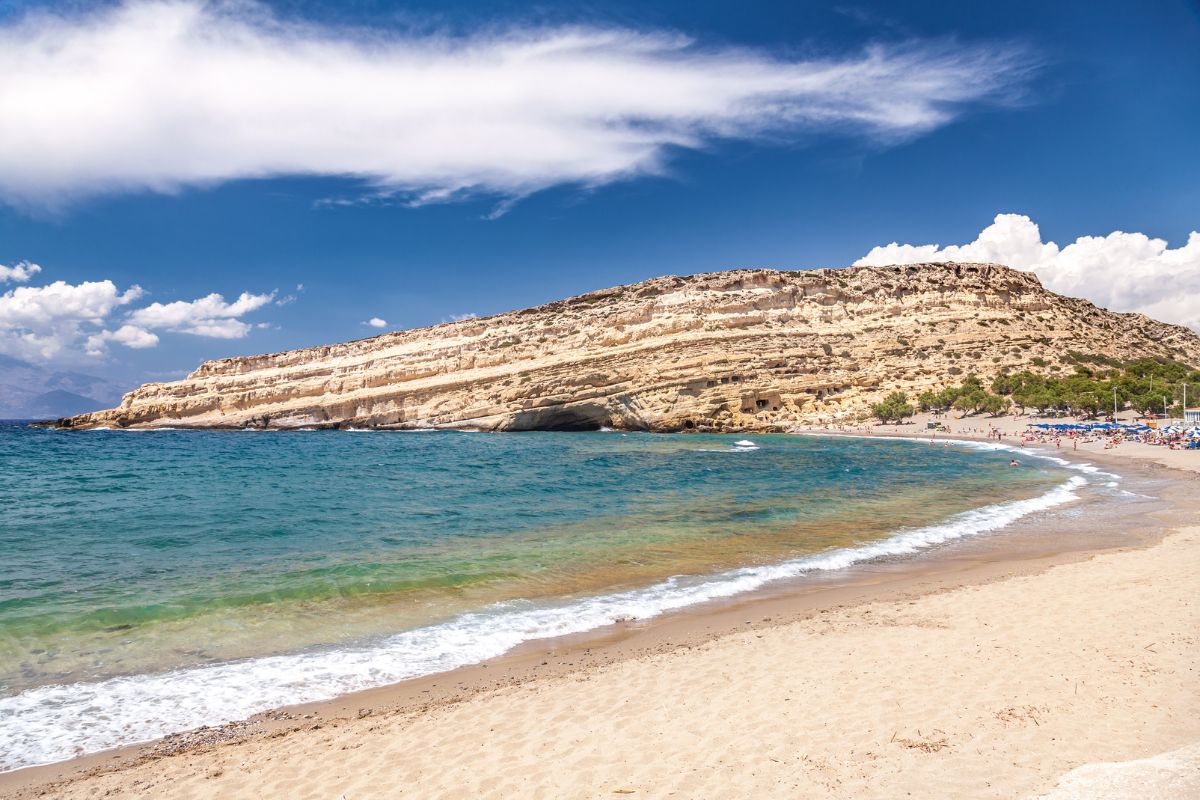
Matala Beach is important in greek mythology. People say that this is the place where Zeus turned into a white bull and brought Europa over to Crete. This story is big in mythology because it also led to the naming of the continent after Europa. Now, Matala mixes its mythic past with a nice coastal feel. The village is cool, and the beaches are nice to be at for relaxation, especially if you’re already exploring some of the most famous Crete Greece beaches. There are ancient caves close to the beach that show the area’s old history. Matala is a good place for anyone who wants to enjoy both its history and time to relax.
Gortyn
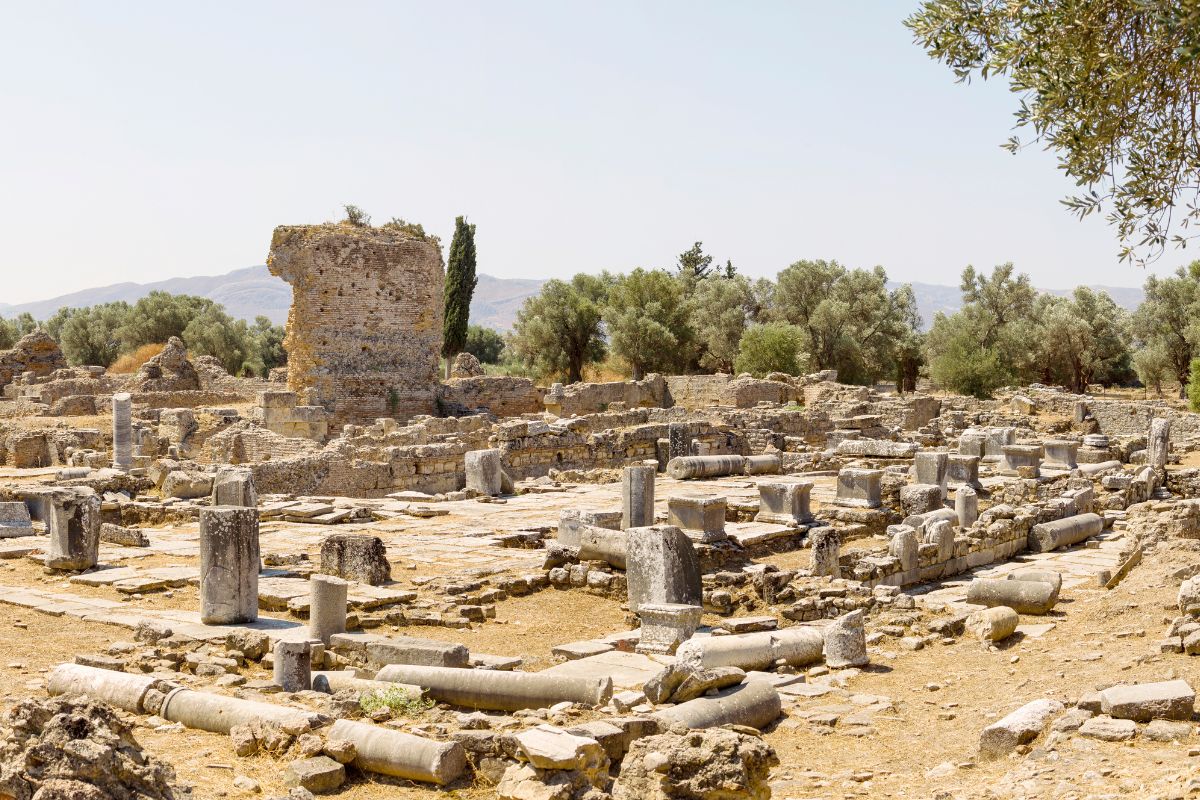
Gortyn is a place known in greek mythology. It is where zeus and europa came together. This old city has spots like the agora and the odeon. These places tell stories about how people lived there before. The plane tree is important at Gortyn. It stands for the link that the gods had with the Cretan kings. When you walk around Gortyn, you see bits of ancient ruins from long ago. The history there feels close, and invites you to find out more about it. When you visit, you get a better idea of its mythology and all the tales connected to greek mythology and zeus.
Mount Juktas (Giouchtas)
Mount Juktas gives a special take on the story of Zeus in greek mythology. Most people say the gods in mythology are immortal. But in Crete, many believe Zeus died and was buried right there. If you see the mountain from the west, it looks like the profile of a bearded man lying down. Many think this is the face of Zeus. People say the mountain is where Zeus was finally laid to rest, and he rose again each spring.
Archaeologists found a minoan peak sanctuary at the top. It is one of the biggest sites on Crete from that time, ideal for anyone interested in how the Minoan and Mycenaean civilizations shaped the island’s sacred landscapes. There are signs of old rituals, with animals and human sacrifice, showing how important the place was in religion many years ago. Now, you can go to Mount Juktas. You can walk up the mountain, see what is left of the sanctuary, and take in wide views of the land in northern Crete.
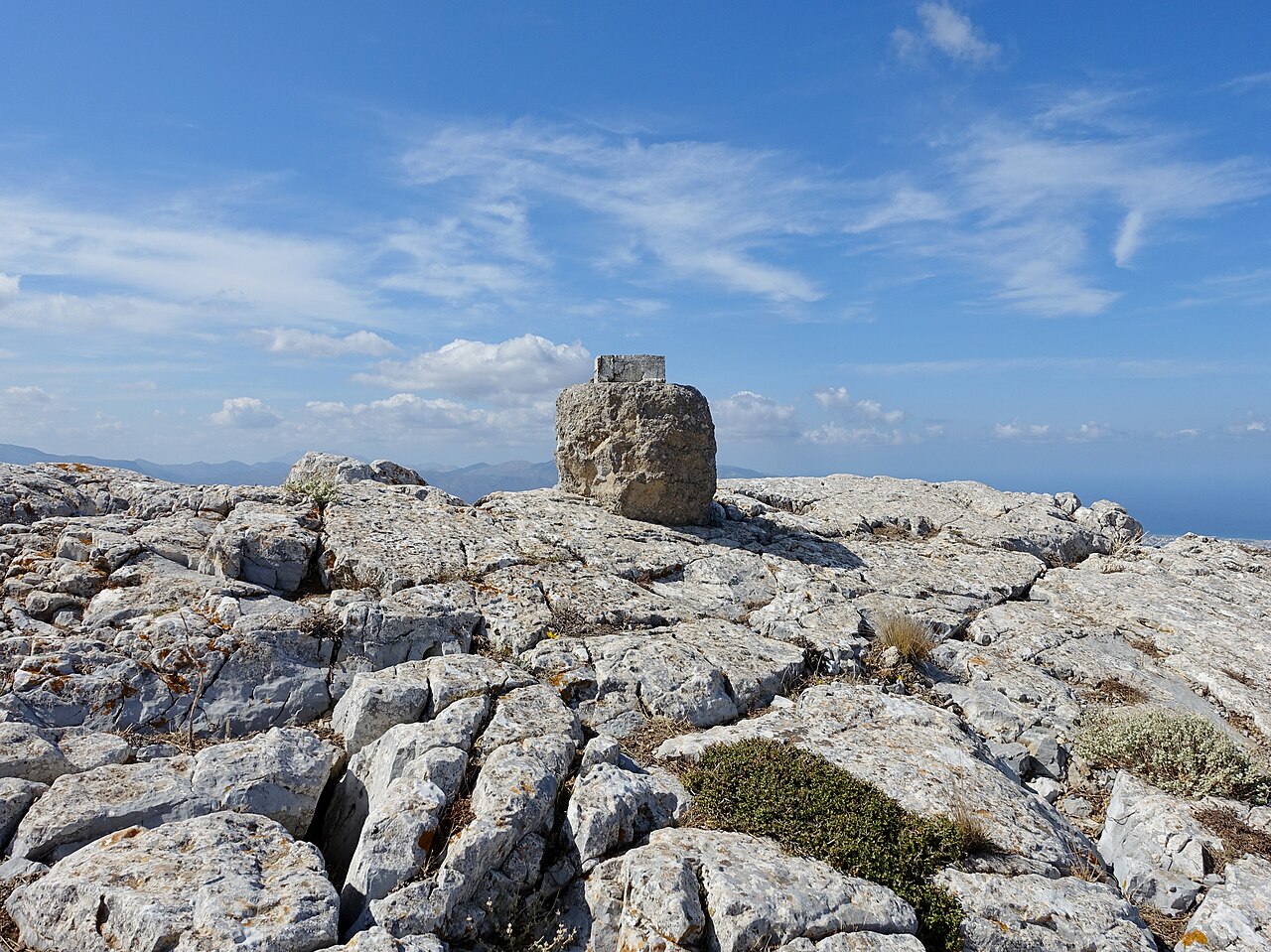
Image by: Oltau
Planning Your Own “Zeus Crete” Route
Making your own „Zeus Crete“ route is a good way to see the island and learn about its stories, especially if you want to experience Crete beyond the main resort areas. Many of these sites are in the middle and eastern Crete. When you use a self-guided plan, you get to visit them at your own speed. You can follow the path from the cave where Zeus was born to the places where he spent time with Europa. The best way to reach all these places is by getting a rental car. You can set up your trip to fit your own time, no matter if you have just one day or many days. The next parts will give tips and ideas about eastern Crete and how to plan your trip to see these myth and legend sites.
Suggested 1–2 Day Itineraries Linking the Key Zeus Sites
Connecting the main Zeus sites in Crete can be fun and a good way to spend your time. You can do it all in one day. Start with the Cave of Zeus in the Lassithi Plateau. Then, go to the ancient ruins of Gortyn and see what is left there. If you want to make it a two-day trip, add the Dikteon Cave next. After that, visit the Minoan pilgrimage site. With this plan, you will have enough time to get into the mythology of Zeus, and you will see great views across eastern Crete too.
Practical Tips
Planning a trip to the caves and plateaus near Zeus will take some work, so it helps to look at broader guides on what to do in Crete to combine mythic stops with other activities. The area is big, so having a rental car makes it easy to get around. Entry fees can change from time to time, so it’s good to look them up online before you go. Wear strong hiking shoes or boots for the rocky paths. Bring water, snacks, and sunscreen to stay energized and safe when you are out exploring. You might also want to carry a flashlight if you plan to go into dark places in the caves. Put on layers of clothes so you can be comfortable as the temperature goes up or down during your hike.
Conclusion
The story of „Zeus Crete“ ties together caves, plateaus, beaches, and old cities. These places help show how the island is linked to greek mythology. The Cave of Zeus and the famous Mount Ida are a big part of this story. This sacred land lets people connect with the myths about the god Zeus. Every site gives you a chance to explore. You get to see the past and learn more about how people used to worship zeus. Even now, these special spots keep the interest in history and mythology alive.
Frequently Asked Questions
Can visitors access Zeus’s caves in Crete?
Yes, people can go into the main caves that are linked with Zeus. The Dikteon Cave is open and has an easy path with stairs. You will find the hike up is steep. The Idaean Cave sits farther away. You need to drive on mountain roads to reach it. This cave is open for you to explore as well.
What should travelers know about Greek mythology sites on Crete?
You should know that greek mythology places like the dikteon cave are a mix of nature and ancient ruins. Most spots need you to walk or hike for a bit. These areas let you feel close to stories of zeus and the minoan people from crete who honored him in their mythology.
How does Crete influence other stories about Zeus?
Crete is known as the birthplace of Zeus. The island plays a key part in the story with Europa, and their son King Minos. This tie connects Zeus to the well-known Minoan civilization, whose art and artifacts you can also explore at the main Crete museum in Heraklion.It also links him with famous legends like the Labyrinth and the Minotaur.