
Discovering Crete Flowers: A Guide to Local Flora
Welcome to a flower lover’s paradise on the island of Crete. This is a very special place for anyone who loves flowers and plants. The island of Crete is full of flora, and you can find thousands of plant species here. Many of these are endemic plants, which means they only grow on this island and nowhere else in the world.
From high up in the mountains to the sands of the shore, the land is covered with colorful Crete flowers and sweet-smelling aromatic herbs of Crete. The beauty of Crete’s plant life is sure to get your attention. Nature lovers from all over the world come to see it.
Are you ready to explore all the amazing flowers and plants the island of Crete has to offer? Let’s start and find out why its flora and aromatic herbs make it such a great place for people who love nature.
Unique Crete Flowers
Crete has many unique flowers that you will not see anywhere else. These endemic species have grown to live in the different climates on the island. You can find them in the high mountains and along the sunny beaches. By looking at these rare blooms, you get to know more about the special nature in Crete.
Flowers make Travelers happy too! Crete is a Flower paradise for Flower lovers from all around the globe. The island offers over 2.000 species of Plants and Flowers, some 200 are endemic and unique in the world. The best period to visit Crete endemic and wild flowers is springtime, from mid–March to late May. If you are planning your trip, guides such as Crete in Summer and Crete in September will help you decide the best time.You can find Crete endemic flowers in various locations, varying from archaeological sites, to isolated and remote mountainous villages and mountain tops.
Glory of the Snow – Alpine Zones in Crete
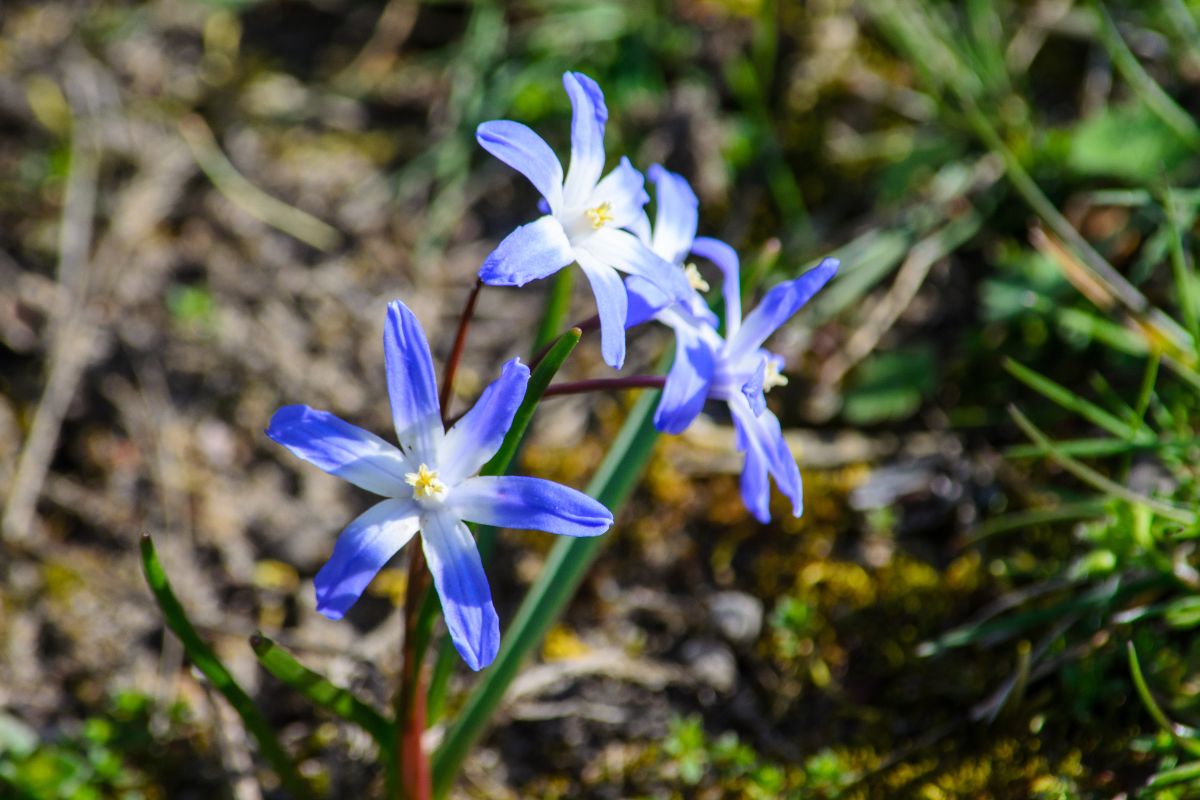
Chionodoxa cretica, or commonly known as “Glory of the Snow” are particularly rare flowers that grow in the high alpine zones of Crete. The Chionodoxa flower is related to the genus Scilla, but with a couple of insignificant differences. Firstly, the petals of Chionodoxa are joined at the base as opposed to the free petals in Scilla. Secondly, the stamens of the Chionodoxa have flattened stalks, unlike the Scilla’s. How did these flowers get their unique name? Chionodoxa derives from the Greek words “Chioni” (snow) and “Doxa” (glory). The Chionodoxa cretica is usually blue and white and they bloom in late winter.
Wishing to take you there?! Elissos loves flower watching experiences and we want to share our expertise with you! Let us take you to Ida Mountains for this flower experience!
Purple Rockrose – Lasithi, East Crete
The Cretan Rockrose is part of the Cistus Creticus family and has lovely purple-pink flowers. This small-scaled shrub has wavy leaves and it needs a lot of sun and well-drained soil for it to grow. The resin in the leaves was traditionally used in herbal medicine and as a result as a perfume ingredient. The Rockrose blooms from early May to mid-July and even though their flowers only last one day, it does not stop producing flowers each week. Native to the island of Crete, the dazzling Rockrose adds a dash of vibrant color to a seaside garden surviving the salt spray, wind, and sand.
This Spring Contact us so we can design a Purple Rockrose experience just for you in East Crete!
Blue Lupine – Villages in West Crete
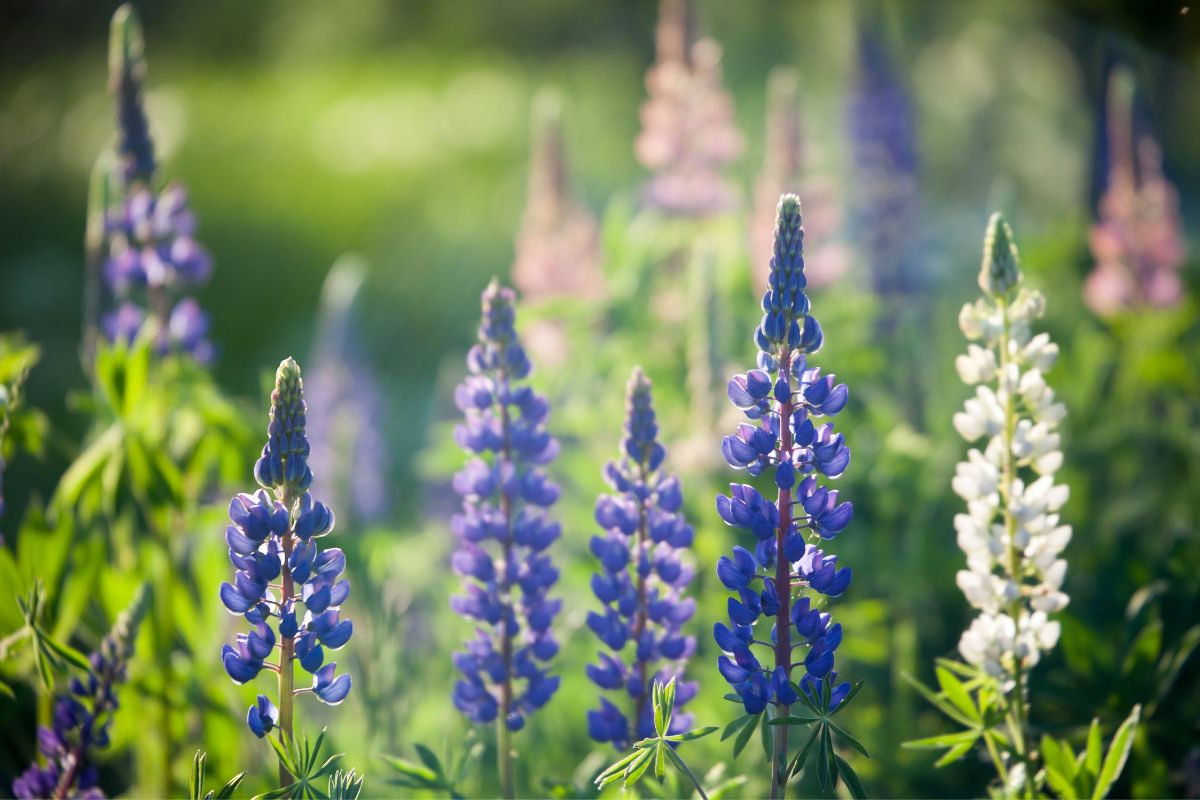
In Western Crete between the months of February and May, you can find the exquisitely tall Blue Lupine. This flowering plant belongs to the Fabaceae species. The Blue Lupine is not a rare flower as it grows in villages and olive groves, however, it is undeniably captivating! Its seeds are very bitter but edible. The locals in most villages put the seeds in a cloth sack in the water for around one week until the bitterness goes away so that they can enjoy this traditional snack. Apart from being gorgeous and providing edible seeds, the Blue Lupine also has another use. More specifically, with its properties, it improves the soil where it grows, helping soils becoming fertile.
The unique experiences we offer in West Crete in Spring, are great ways for you to stumble upon a Blue Lupine!

Sea Daffodil – Beaches in West Crete
The Sea Daffodil, also known as the Sand Lily, in Latin as Pancratium Maritimum, is a flower that Greek and International legislation protects due to its limited population. This elegant plant pierces through the dunes of Crete in the summer months of August, September, and October. On windless summer nights, the soft scent of the lily is sweet and subtle. In addition, the Sea Daffodil can only be cross-pollinated, usually by a hawk-moth called Agrius Convolvuli. However, this can only happen when the wind is under 2 m/s. Another very interesting fact about this wildflower is that the wind carries its seeds to faraway beaches where they will bloom after a few years. The Minoans were inspired by this white flower and drew it in the Palace of Knossos to show their admiration.
Choose one of our amazing Minoan Themed Tours and witness first-hand the Sea Daffodil painted on the ancient walls. This connects deeply with Minoan Civilization Crete and the broader Minoan and Mycenaean Civilizations heritage.
Didn’t find your unique Flowers in Crete yet?! There is so much more to reveal!
Crown Anemone – Omalos Plateau, West Crete
The Crown Anemone blooms in West Crete showing off its pretty blue, purple, and red colors. The Anemone Coronaria flowers in West Crete in Spring, when the weather is warm and the sun is shining on the mesmerizing colors of this majestic flower. Luckily enough in this part of Crete, the Crown Anemone blooms in thousands, a very unique sight!
Combine elements and locations you want to include in Your Own Unique Flower Experience and let’s search for the Crown Anemone in Spring together!
Oleander – North Coast of West Crete
The Nerium Oleander is a pink wildflower and its natural habitat is in West Crete. The stunning baby pink colors are the main characteristic of this delicate flower, making the scenery look even more dashing. Moreover, the Oleander blooms from April to July, with its peak being the month of June. This native plant of Crete frequently blooms in watercourses, even if there is no running water. For centuries people cultivate this truly magnificent flower. As a result, there are numerous variations of it with a wide range of shapes and colors. It is quite easy to spot the Oleander due to the fact that the Cretans choose them specifically to grow on the sides of national roads in order to prevent the goats from wandering off as they are highly poisonous to them.
The month of June is when the Oleander is at its peak decorating the gorges with a soft pink color. This is a well-known fact and tourists fly to Crete from all over the world to hike those famous gorges and they have a bonus of being surrounded by this captivating plant.

Wild Flowers in Crete
Crete is home to some of the rarest endemic plants, but the island is also covered with many beautiful wild flowers. These species of plants grow in open fields, by the side of the road, and in mountain valleys. They add to the rich mix of flora and make the island special. Many wild flowers also have a place in local customs.
You will see everything from bright poppies to interesting orchids. The mix is big and there are many to spot. Looking for wild flowers can be a fun thing to do, and you can use helpful flora books to find their names. In the next sections, you will read about some popular wild flowers you might see when you visit Crete.
Pink Butterfly Orchid – Spili, West Crete
The Pink Butterfly Orchid grows 15-40cm tall, makes it a sight for sore eyes. Standing majestically with its leaves and large pink striped flowers it will surely fascinate those who are lucky enough to witness them. Furthermore, the Pink Butterfly Orchid blooms in the months of April and May, two ideal months for travelers to visit Crete! Why? Because the summer temperatures are slowly arriving and the outdoor activities are opening up! Where can you find the Pink Butterfly Orchid? In limestone habitats where it grows on scrublands and open grassy spaces.
Spili, a village in the regional unit of Rethymnon, is a perfect location to uncover this enchanting flower. Rethymnon is a regional unit famous for its traditional villages and impressive natural landscapes.
Wild Tulip – Spili or Mountains of East Crete
Crete is well known for having wild tulips. These flowers bring bright colors to the land. People often see them in places like Spili in the west or up in the mountains in East Crete. Wild tulips are different from the ones people plant in gardens. They look more gentle and natural. Many walks and tours in the area are set up to find these flowers. Guides may take people to places like the Amari Valley, which is south of Rethymnon. On the Gious Kampos plateau, you can see tulips that only grow in this part of Crete. That is why this area is great for anyone who wants to see the native tulips of Crete.
Looking for wild tulips can lead people to many places across the island. You may start in the fields around Spili or go up into the taller mountains in the east. These tulips show up in spring, making this time of year a top choice for people who want to enjoy botanical tourism in Crete.
Wild Iris – Crete Island
The Wild Iris is one of the unique endemic plants you will see in Crete. This iris helps add to the variety of flora here. You can often find it growing in rocky places and grassy spots. Nature lovers who visit Crete enjoy the moment they see a Wild Iris. The Wild Iris might not bloom in huge numbers like some other flowers. Even so, it is an important part of Crete’s plant life and heritage. Its shape and colors stand out in the countryside. If you want to know more, a good flora guide for Crete can help you spot this iris and others like it.
Seeing these endemic plants is a fun part of learning about the natural world in Crete. No matter if you are out for a walk or on a plant tour, look for the Wild Iris. Its special look and blooms make the landscape even more beautiful.

Best Seasons to See Crete Flowers
Choosing when to go to Crete is important if you want to see flowers. The best time is in spring from April to June. At this time, the bloom is at its biggest and the place is filled with color. Everywhere you look, there is life on the island. But, spring is not the only season to find flowers in Crete. In fall, during September and October, there is another bloom. There may not be as many flowers but you will still see several types that are used to the weather after summer. The next parts will tell you more about what you can get and see in these months.
Spring Blossoms: What to Watch For
Spring is when Crete truly comes to life with a spectacular bloom. The meadows burst with flowers, and the air is filled with the scent of aromatic herbs. This is the period when the greatest variety of species of plants can be seen, turning the entire island into a natural garden. The connection to flora goes back centuries, with evidence of flowers like the Sea Daffodil appearing in the art of the Minoans.
April and May are the peak months. During this time, you can find everything from common wildflowers to rare orchids and tulips. The mild temperatures make it perfect for walking and exploring the countryside to see this floral display.
Many flowers have specific blooming times within the spring season. Here is a quick guide to some of the flowers you can expect to see:
| Flower | General Blooming Period |
| Crown Anemone | Spring (March-May) |
| Pink Butterfly Orchid | April – May |
| Blue Lupine | February – May |
| Purple Rockrose | May – July |
| Wild Tulip | Spring |
Bloom Periods Throughout The Year
While spring has a lot of fans, autumn also brings its own special charm to Crete with new flowers that bloom only at this time. After the hot summer months, the cool air in September and October helps colorful flowers come back to the land. There are fewer people during these months. So, it is a nice time to visit if you like quiet places and want to see another side of Crete’s flora.
In autumn, you will see flowers that like to bloom during this season. The sea daffodil is one you can spot on sandy beaches. In the lower, scrubby areas called phrygana, you can see autumn cyclamen and the small Colchicum pusillum. These flowers show the strength and mix of plants in Crete’s land.
If you come to Crete in September or October, you get to see autumn flowers in bloom. These softer colors give another look at the beauty in nature compared to the bright flowers of spring. It is still a rewarding trip for people who love flowers.
Conclusion
Exploring the unique Crete flowers is a good way to get close to the island’s natural beauty. You can see the Glory of the Snow in the high mountains and the Pink Butterfly Orchid in other places. The flora in Crete is always changing and it catches the eye all year. Each flower is part of what makes this island special. Whether you live there or just visit, take some time to look at these blooms and learn why they matter to Cretan culture. If you want to know even more, you can join a guided flower tour and see the unique flowers and orchid up close.
Frequently Asked Questions
Are There Guided Crete Flower Tours or Walks Available?
Yes, Elissos Travelling Philosophy offers private guided tours and walks in Crete that look at wildflowers. Our expert guides know a lot about endemic Crete plants. They help you find one orchid or maybe another plant that is found only in that place. These tours also help with taking pictures and will take you to the best places to see the flora of the island.
Why Are Certain Flowers So Important In Cretan Traditions?
Some flowers matter a lot in local culture because of the past and how people use them every day. The Minoans showed flowers in their artwork, and this tells us that people from that time valued them. Aromatic herbs get used in food and for home medicine. People pick wild greens to eat, so the flora has a big part in what people in Crete have for meals, along with things like olive oil.
Where Can I Go To Photograph Wildflowers On The Island?
If you want to take great photos of wildflowers, you should visit west Crete. The Omalos Plateau is well-known for its spring anemones. There are mountains close to Chania, and you can also find many gorges on Crete that give people some good places for photos. If you walk around the villages and look at the countryside in different areas, you will see lots of pretty wildflowers.