
Explore Farming in Crete

Farming in Crete blends tradition with sustainability, shaping the island’s culture and organic food today.
Crete is the largest island in Greece. It is famous for its nice beaches and its rich past. Farming is what shapes life here more than anything else. People in Crete have grown food for many years. They have mixed old ways with some new ideas. Farmers there have made a simple and strong way to live. Their way keeps the land and grass safe, and helps crops grow well. Today, they put their efforts into being good to the land and growing food in healthy ways. In this text, you will read about the story of farming in Crete. You will also read about old farming ways and how these help create more organic food today.

The Agricultural Heritage of Crete
People in Crete have been farming for a very long time. A group called the Minoans started planned farms on this island, much like they did at the famous palace sites you can explore on a Knossos tour. What they did made a big difference in how people grew their food later. You can still find many things from that time in the fields and olive groves all over the island. Crete has a long and strong history that shapes how farms work there. The ways and stories passed down in Crete show that people there know their land well. They want to work with nature, not against it. In the next part, we will talk about how these old ways changed with time. We will also look at what makes Cretan farming special and different from others.
Ancient Roots and Historical Evolution
The beginning of planned farming on Crete started with the Minoan civilization about the year 2700 BC. At this time, the Minoans began to grow crops in a careful way. They grew things like grains, grapevines, and olive trees, which later became the basis for Minoan cuisine and traditional Cretan food culture. This was a big moment in Crete’s history and helped make farming possible on the island in Greece.
The people in the Minoan civilization were early leaders in farming. They found smart ways to get water to their crops. They also made terraces on hills. This helped water move where it needed to go and kept soil from washing away. These steps showed that even in ancient times, they had good knowledge of how to work with the land.
People have been looking after farmland and finding smart ways to work the land for a long time. This has been going on for many years and keeps changing as time goes by. There are new tools and fresh ideas now, but the main ways first used by the Minoans are still key to how there is farming on Crete today. What they did long ago still helps people pick the crops to plant and how to make the best use of the land.
Influence of Traditional Farming Techniques
The use of old ways to farm is the reason why Cretan farming does well. People have made these ways better over many years. They fit with keeping the land healthy. For example, having animals eat plants on wild land and near the villages helps a lot. This way has been good for the people who live there for a long time.
Cretan farming is special in that the people feel close to the land and their animals, a lifestyle that can still be experienced in traditional Crete villages. Farmers who work in the hills often take sheep and goats up into the mountains. There, they use what they need from the land, but they do not take too much. This keeps the earth healthy and helps the people keep their way of life. Many still follow these ways, because it works well and protects the ecosystem for many years.
Cretan farmers use old and simple ways to take care of the land. They use what they know about nature and work with simple tools. By doing this, they do not hurt the earth or spend too much money like many do in modern, heavy farming. The food they make is known to be very good. This shows that using these older ways to farm can help us make sure our food and the land stay healthy and strong for years to come.

Traditional Farming in Crete
Traditional farming in Crete is still here today. It is not only something from the past. People use old ways that have been around for many years. Livestock is a big part of farming in this place. The way they raise animals here is not the same as in other parts of the country. People on Crete give importance to old ways and knowledge. This is what makes the island different from other places, with farming traditions woven into daily life alongside Cretan traditional dress and cultural customs. In the next part, you will read about livestock farming. It will explain how people started to raise sheep many years ago. You will also find out about how they take care in breeding goats and sheep. This is to make some of the most famous foods from the area.
Livestock Farming in Crete
Crete may only be an island; however, it is the region in Greece where sheep and goat farming are the most developed. Nevertheless, the flock grazing practices Cretan farmers use are what differentiate them from the rest of the farmers in the country. Livestock farming in Crete was always partially domestic with the livestock animals munching on cultivated lands around the villages and in meadows. Finally, it is quite common to see farmers using the mountain ranges as fields for their flock.
Sheepherding in Crete
Sheepherding is the first profession in Crete, as validated by references found in writings of Homer or proof drawn from the Minoan civilization. Since ancient times there were pastoral communities and historic evidence is plentiful, nevertheless, visiting a shepherd today in Crete is all the evidence we need. They continue to have a genuine unique bond with their flock. Talking with them and spending time with them will give us all the answers on pastoral life we need. Roaming around the slopes of Mount Psiloritis, notice the raw constructions on the mountains, such as the “mitata” and the “koumoi”. The “mitata” are shepherds’ huts that are made of stone and have a roof in the shape of a vault. The “koumoi” is the space within the hut where the shepherds make their cheese. These sights are highlights of rural Crete, where local life and farming remain closely connected to tradition.
Moreover, you will notice the many tracks and trails that the shepherds take daily with their flocks. Take a moment to listen to their stories and familiarize yourself with the practices they use. They will show you how to use their tools and they will explain to you why they are so important. Shepherds in Crete have their principles and standard codes that they use, sometimes rather difficult to understand. However, you will immediately see for yourself that their sheepherding ways are consistent with the past. Their peaceful lives are not lost amid the hundreds of years, on the contrary, they are more alive than ever!
Goat and Sheep Breeding in Crete
Cretan shepherds follow traditional methods when it comes to goat and sheep breeding as well. Even though do not have large numbers of production, the quality of the dairy products remains high as does the quality of the animal feed. The milk of sheep and goat brought up in Crete is the ideal base for Crete’s dairy items. For instance, if we compare the endemic plant species that grow in the UK and the ones that grow in Crete, the results are shocking. Great Britain has just six endemic plant species developed on its territories, while in Crete they surpass 160. Consequently, the supplements in the milk created by sheep brought up in the UK will not be the equivalent of the ones contained in the milk of sheep brought up in Crete, where dairy still plays a central role in traditional Cretan food.
Unique Aspects of Cretan Farming Today
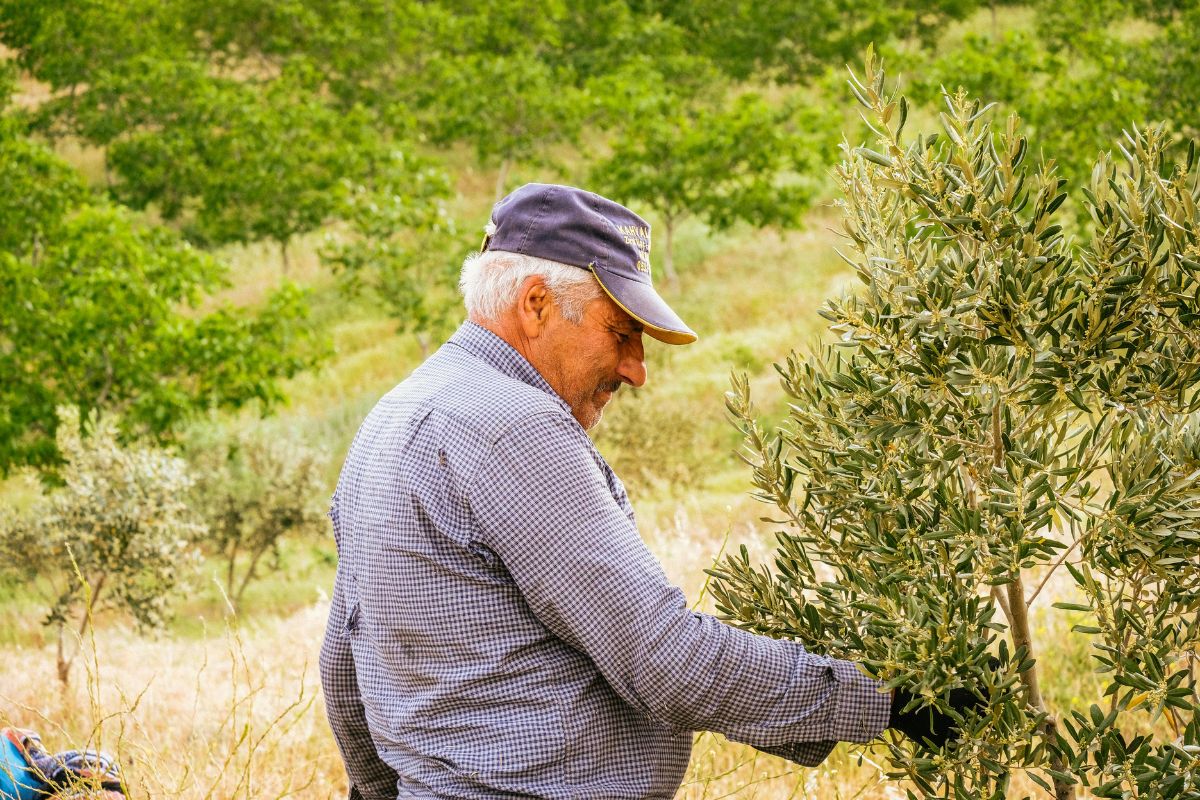
Modern farming in Crete keeps old ways, but it also adds new ideas to help the land last. Many people on the island practice organic farming. The place has good weather and soil for this. You see the results when they grow olives and herbs with rich smells, many of which are part of the famous herbs of Crete used in local cooking and wellness. The farmers in Crete grow many vegetables, fruits, and herbs like oregano. Most of the time, they do not use chemical products on these plants. In the next parts, you will read about some ways the people on this island try to be more sustainable. You will also find out how they grow olives and look after animals all over Crete.
Sustainable Methods and Organic Practices
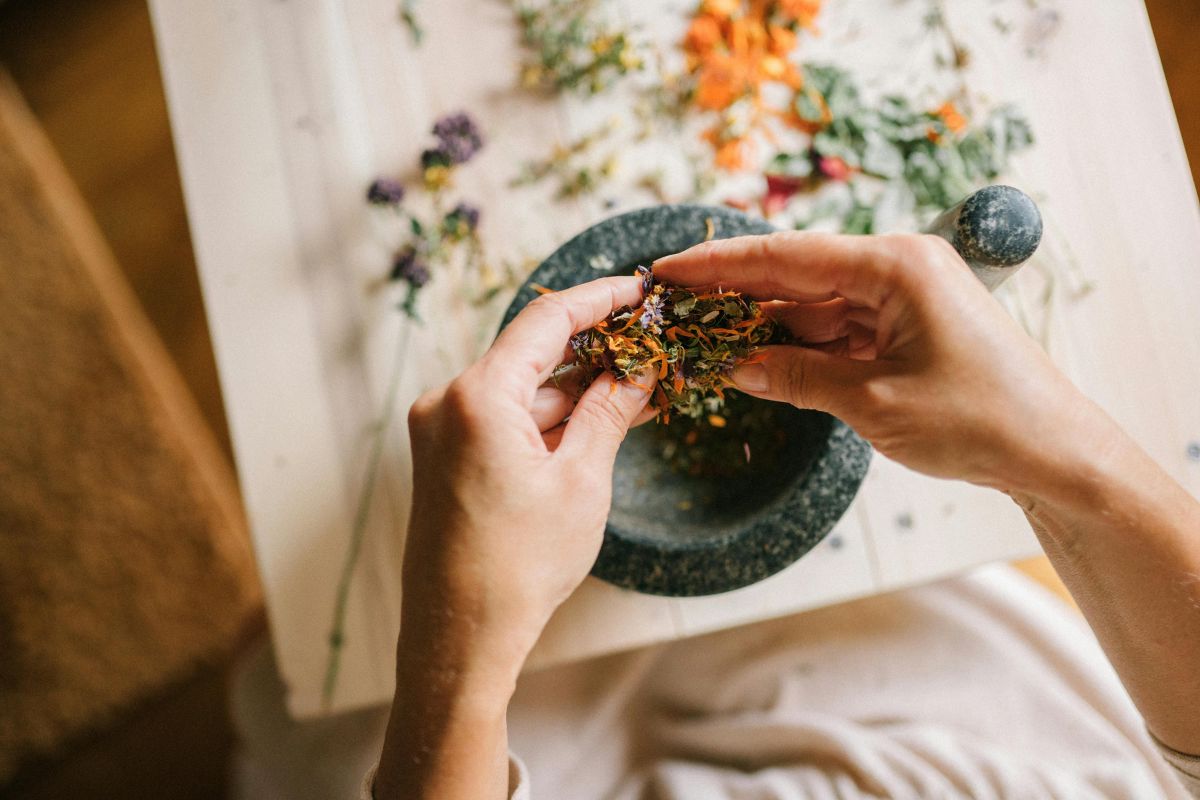
The way people in Crete farm shows how much they care about doing things in a way that is good for the earth. A lot of them pick organic farming. This is more than just not using chemicals. It is a way of thinking that aims to take care of the natural world and their health. The weather on the island is just right for growing herbs like thyme and rosemary.
Organic farming in Crete uses some key rules:
- It lets different plants and animals live together. Many kinds of crops grow, and natural places stay safe.
- It saves water. People use old, local ways like terracing.
- It looks after soil health. The method uses natural compost instead of fake fertilizers.
Ierapetra and some other places are leading with new ideas in farming. They use greenhouses to grow many organic fruits and vegetables all year. This brings together both old ways of farming and new ideas. It shows farming in Crete can be modern and also good for the Earth. The island’s old farming values are kept alive, even as it moves forward with better, Earth-friendly ways like sustainability and organic farming.
Livestock and Olive Cultivation Across the Island
Livestock farming and growing olives are two main parts of life in Crete. These have been together on the island for thousands of years. You can see olive groves all over Crete, from the east side to the west, around Chania. Making olives and olive oil is very important for the people in Crete and in all of Greece, often paired with wine tasting in Chania Crete for a full culinary experience. This helps shape not only their work but also who they are.
Bringing these two types of farming together helps to make a well-balanced way to grow food. Many times, animals eat grass in and around the olive groves. They help with keeping the undergrowth under control in a natural way. This close working together shows the full way Cretan farming has worked since the days of the Minoans.
The table below looks at how some parts of traditional and modern farming in Crete be different from each other. It also shows how they mix and work together.
| Feature | Traditional Approach | Modern Application |
| Pest Control | Natural predators, crop rotation | Integrated pest management, organic-certified sprays |
| Watering | Terracing, rainwater collection | Drip irrigation, efficient water management systems |
| Fertilization | Animal manure, composting | Organic compost, soil analysis to determine needs |
The Economic and Cultural Role of Agriculture in Crete
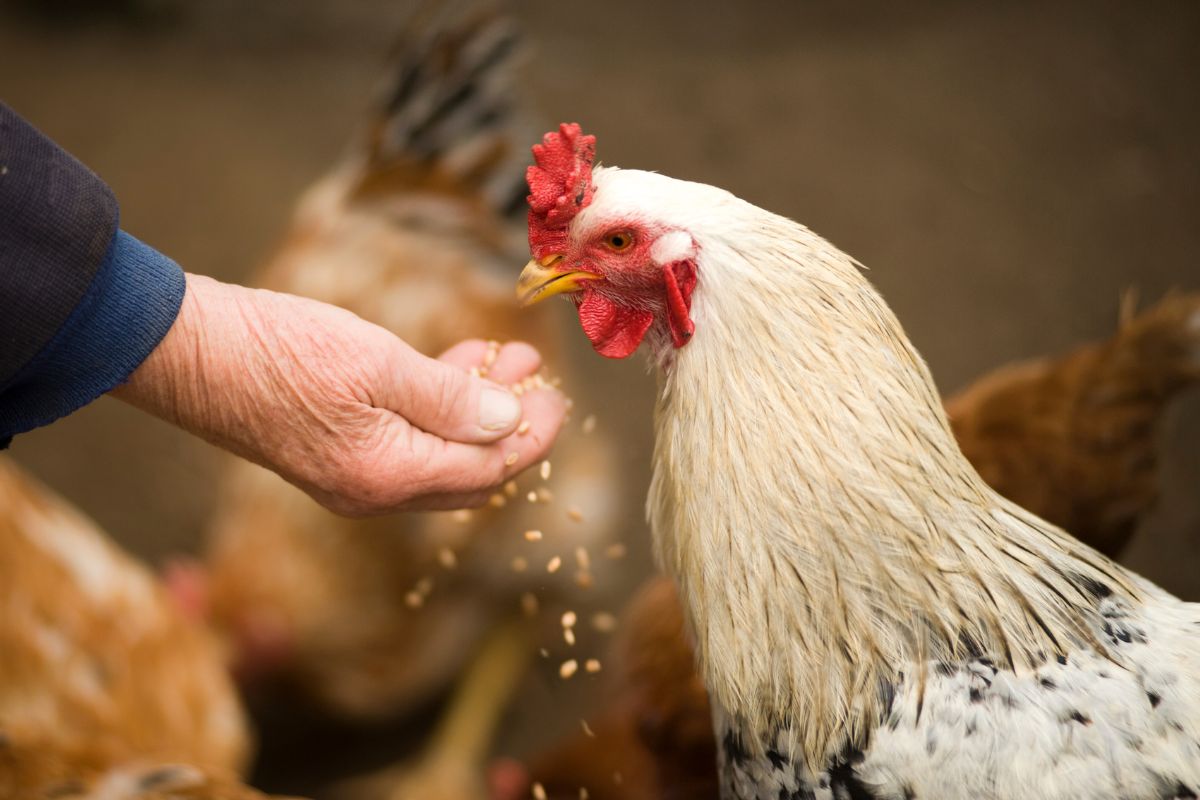
Farming in Crete is more than a job. It is key to the island’s economy and to life on the island. Many families here get their money from working on farms. The local diet, which many people in the world like, comes from this way of living. People in Crete still share old customs about when to pick crops and how to make meals. These things help bring people close together.
Today, many businesses give people a way to try agritourism in Crete, a popular choice among travelers searching for the best Crete to do activities. They help visitors feel what farm life is like. People can also join in with local traditions. These businesses must follow the rules that are set now. For example, they must keep a clear plan for how they handle visitor data. When they take bookings, they look after visitor information in a careful way. They make sure to be open about how they use this information.
Agriculture’s Impact on Local Communities
Agriculture plays a big part in Crete’s local communities. It helps many people get jobs. The jobs are for farmers, but also for those who work with processing, packaging, and moving products to other places. Both small family farms and large groups work to keep villages strong.
All this work brings people in the community closer together. They join in during harvests, festivals, and markets. These events help everyone feel they fit in and share the same traditions while working on the land, especially during summer festivals that align with Crete in August or Crete in September. If you visit and speak with people in these communities, like when you book a farm tour, you help make their local economy stronger.
Whenever you deal with these companies, your information stays safe. Businesses in Crete tell you how they use your data. When they use your data, say you book a trip, they use it only for what you want. They keep it secret and follow rules that keep you safe.
Modern Developments and Future Trends
The future of farming in Crete looks good. Farmers use old ways and new ideas together. Right now, more people want to make things last, get organic labels, and let visitors see how farms work. People working with the land are now using modern tools and new machines. This helps them get better crops and keep their products at the top level that Crete is known for.
Cretan farming is special, as people here learn and change while still holding onto what makes them who they are. They use old ways of working on the land, but they also use new steps for soil health, saving water, and keeping nature safe. Asprās Terra is one farm that shows this. It is an agritourism farm in Crete, where they focus on being good to the land and trying new things, making it a perfect stop for those who want to experience Crete beyond the beaches.
Farms are now finding new ways to connect with people. For marketing, businesses will always ask you first if you want to get messages from them. In Crete, the care for land and people is very important. This helps farming in Crete do well today and in the future for those who come after us.
I need particular consent to use your land in Crete for farming. This is important to check if it fits our goal of sustainability. We look at how the land will help us farm in a way that is good for the earth and people. If you give your consent, we can move ahead and make farming better for everyone in the long run.
Agritourism in Crete, Experiences by Elissos
At Elissos we love to incorporate as many traditional elements of Crete as possible in our tours. Agriculture is one of the biggest and most significant ways that helped shape Crete into what it is today. An island that is rich in culture, keeps its traditions and customs alive, and has impacted the world with its history. We proudly present our top 4 activities that we designed with great passion and care for our land. We want you to experience our region in the utmost authentic way possible but always with a twist and never compromising the quality of our services. Enjoy!
Elissos Tradition and Agriculture Experience
A full day of learning about traditional Cretan architecture, embracing the Cretan lifestyle, and of course tasting the local products. Wander around the quaint villages admiring the churches and learning about Orthodox religion. Participate in various handicraft workshops and watch how the locals make sheep bells and weave baskets. Visit a local honey workshop and find out about the importance of bees. Make cheese at a local dairy and of course, buy some to take home with you. As if all this is not enough, you will also taste local Cretan products right from the source such as olive oil, wine, and herbal tea. Finally, enjoy a cooking course at a local’s house using ingredients from their garden. Cherish this unique opportunity as the cook will share with you the secrets of Cretan cuisine! Learn more about this experience here!
Elissos Tradition, Gastronomy, and Agriculture Experience
A fun day that you and your family members will enjoy in the heart of Crete! Once you arrive at the farm, you will instantly feel at home! The hosts will greet you and welcome you with open arms, you will immediately understand the true meaning of “Cretan hospitality”. They will show you how to make Cretan specialties such as the famously delicious Cretan pies and bread. Perhaps the most unique part of this activity is that you will prepare your lunch the Minoan way, on the hearth fire with fresh ingredients that you will select from the farm. Take a walk around the farm, milk the goats, learn how to make “tyrozouli” cheese, and collect the eggs from the hens. After your wonderful meal, you will learn all about olive oil and raki production. Finally, head back to your hotel full of amazing memories! Learn more about this experience here!
Elissos Tradition, Gastronomy, and Agriculture Experience
One of our most interesting and relevant experiences! A day at a gorgeous bee garden will have you rethink your take on life, biodiversity, and climate change. Learn the massive role bees have on the environment, and how these magnificent pollinators can save humanity. At the local apiary, find out about all the different varieties of honey. Also, find out the health benefits of this sweet ancient product. Apart from honey-tasting, your host will introduce you to the world of the bees. Learn how the beehive is structured, how they are organized, and allow their strategy to stimulate you! On your way out, make sure you buy a few extra jars of honey as gifts to your loved ones. We are certain that they will appreciate eating Cretan honey for breakfast! Learn more about this experience here!
Elissos Hiking and Nature Experience
If you love horses, nature and ancient history, this activity is definitely for you! The bond between horses and humans can be very strong as horses horses display a broad range of emotions. These amazingly communicative animals thrive in social settings and are very special creatures. Ride one of these beauties in a Cretan countryside and enjoy the absolute feeling of freedom. The sceneries that you will have the opportunity to visit will be as impressive and breathtaking, just like the horses! Moreover, just before you lunch in a modern picturesque seaside town, you will also visit the most imposing ancient Greco Roman cities in Crete! Intrigued yet? Learn more about this experience here!

Conclusion
Farming in Crete is all about the close link between the land and the people who live there. This relationship has grown over many years. The island’s farming has a long story that mixes old habits with new ideas. People here use both ancient and modern, sustainable methods. These ways help the local area and support the economy.
As you get to know more about farming in Crete, you will see the livestock and olive farming are the big parts of each day. The way they grow olives and raise animals shapes the land. It helps make the culture of the people there. The way people live in Crete comes from how they work on farms.
It does not matter if you are on a trip and want to see the real Crete, or if you are interested in how farming works in this place. Learning about farming in Crete can give you good knowledge. If you want to see the best of farming in Crete for yourself, we can help you enjoy a special and fun time.

Frequently Asked Questions
Are olive farms common in Chania, Crete?
Yes, you will see many olive groves in Chania and across Crete. The people in Crete use olives to make oil and to eat. Growing olives is a key part of life here. A lot of people have their own olive groves. They care for these groves every year. Olive groves are a big part of Crete, and you can find them in almost every area on the island.
How can tourists experience authentic farming in Crete?
To know more about real farming in Crete, you can visit an agritourism farm. You get the chance to help pick olives or grapes. There are also cook classes. At these, you use fresh food from the farm. You can go to a market in the village to shop too. All this shows you how farm life works on the island in Greece.
What makes Cretan agriculture different from other regions of Greece?
Cretan farming has its own style. It comes from old Minoan ways, a focus on keeping the land healthy, and a strong food culture. People in Crete work hard to use organic methods for growing food. They bring out products that come right from their land. This makes farming in Crete different from the rest of Greece. Organic farming, sustainability, and Crete all join together in this special way of farming in Greece.