
Explore the Crete Greece Mountains: A Guide
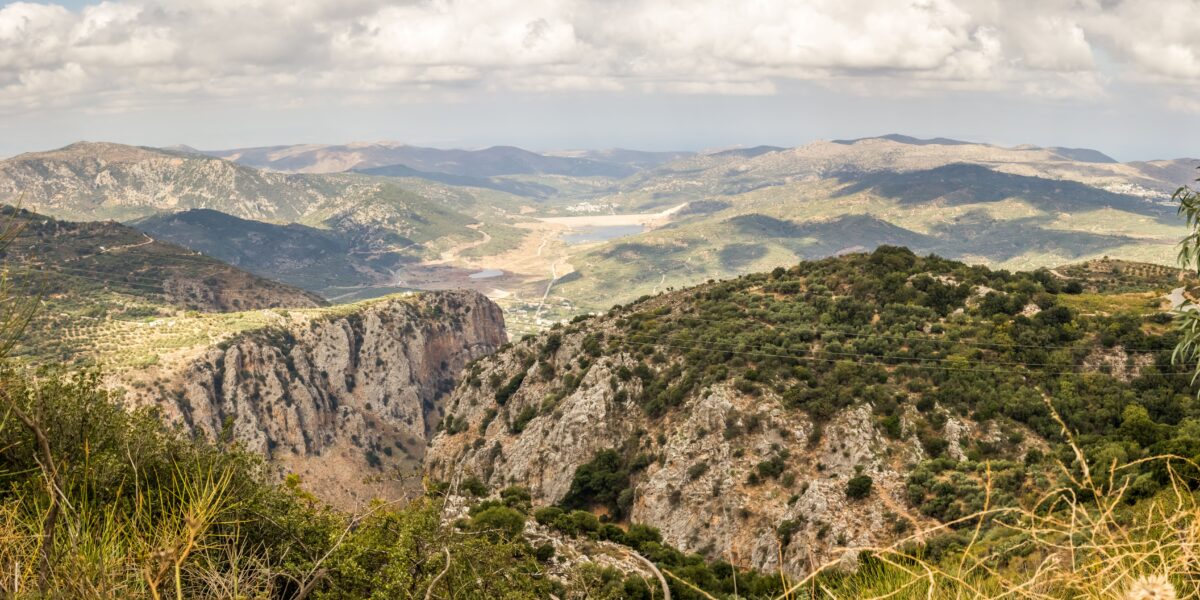
When people picture Crete, they usually start with beaches, and fair enough. But the truth is that the Crete Greece mountains are what give the island its shape, its wildness, and a huge part of its personality. They rise fast from the coastline, turning a drive of an hour or two into a complete change of climate, scenery, and pace. One moment you’re looking at the sea; the next you’re winding through pine forests, high plateaus, stone villages, and rocky ridgelines where shepherds still keep flocks the traditional way.
Exploring Crete’s mountains isn’t only about hiking (although the trails are unforgettable). It’s also about understanding the island’s culture, its food, its music, its myths, and its deep connection to the land. If you want to feel Crete beyond the obvious, the mountains are essential.
Overview of the Crete Greece Mountains
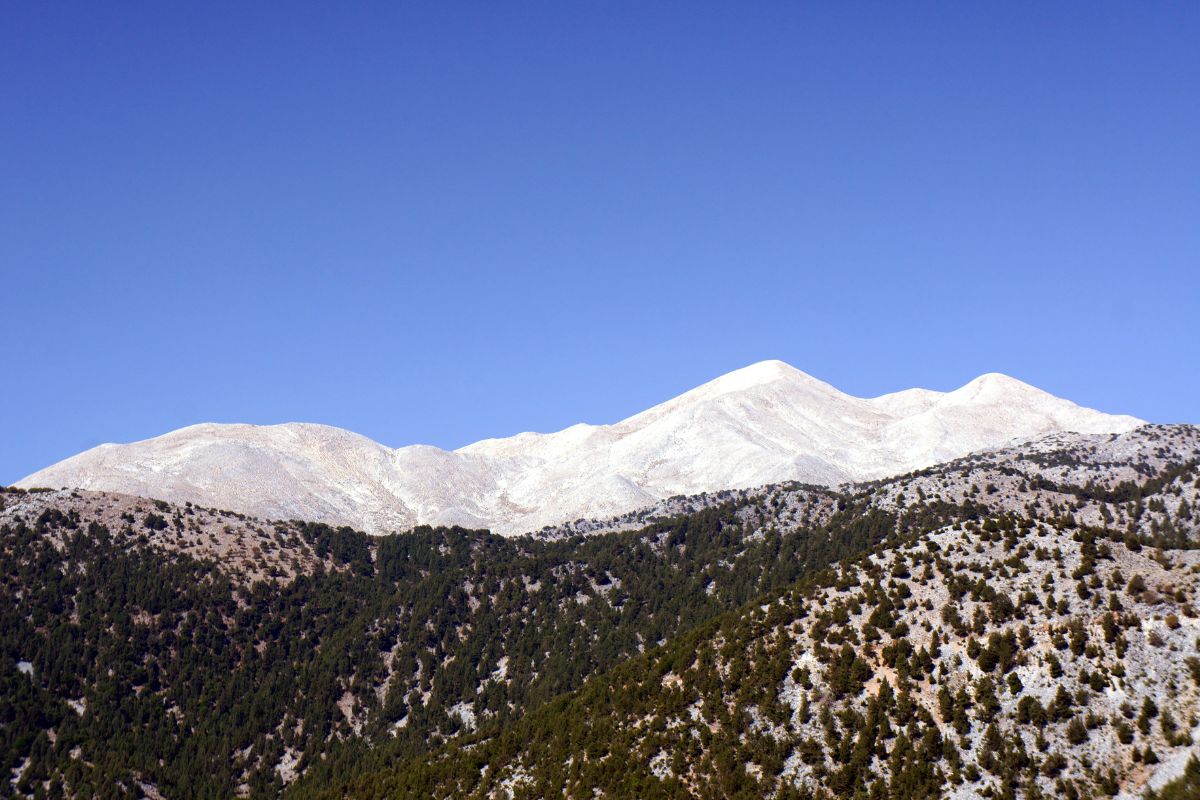
At a high level, Crete is defined by three major mountain ranges, each with its own “feel”:
- The White Mountains (Lefka Ori) in the west: dramatic peaks, deep gorges, and a stark, almost “high desert” landscape at altitude.
- Psiloritis / Mount Ida in central Crete: the island’s highest summit and a mountain wrapped in mythology, caves, and alpine terrain.
- The Dikti Mountains in the east: rugged limestone slopes balanced by fertile plateaus and some of Crete’s most famous cave sites.
Together, these ranges create the island’s famous contrasts, snow on peaks while the coast stays mild, lush valleys tucked between bare rock, and Crete gorges that carve straight down toward the sea. Once you start planning around the mountains, your Crete itinerary becomes richer, more varied, and honestly… more “Cretan.”
White Mountains Crete (Lefka Ori)
The White Mountains of Crete (Lefka Ori) are the largest massif on the island, and they have a very particular kind of drama. In spring, they can still hold patches of snow; in summer, the high zones feel bright, dry, and almost lunar. The rock is pale limestone, the horizon feels huge, and the terrain can shift quickly from gentle plateaus to rugged ridgelines. This is also gorge country. Many travelers come for one famous hike and leave thinking they’ve “done” the White Mountains, but the Lefka Ori are a whole world, filled with lesser-known routes, quiet villages on the edges, and landscapes that don’t feel Mediterranean in the way you might expect.
Pachnes Peak in the White Mountains
At 2,453 meters, Pachnes Peak is the highest summit in the White Mountains, and reaching it feels like stepping into a different Crete. The scenery up high is spare and raw, rock, sky, and long views over the island’s western side. On clear days, the sense of scale is incredible: you realize just how mountainous Crete truly is. Hiking options depend on the route you choose and your experience level, but the key thing to know is that this is not a casual “walk to a viewpoint.” It’s a proper mountain environment. If you’re aiming for Pachnes, treat it with respect: start early, bring more water than you think you need, and plan for wind and sudden weather shifts even in warmer months.
Samaria Gorge in the White Mountains
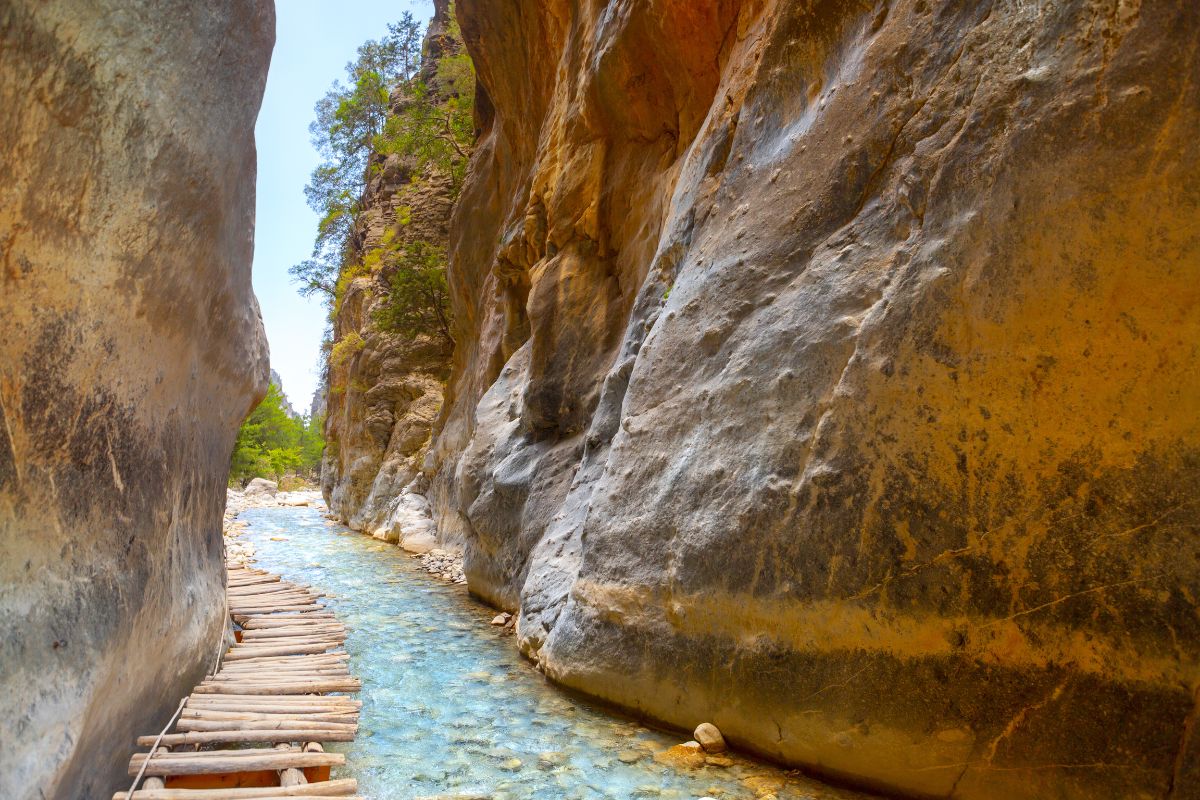
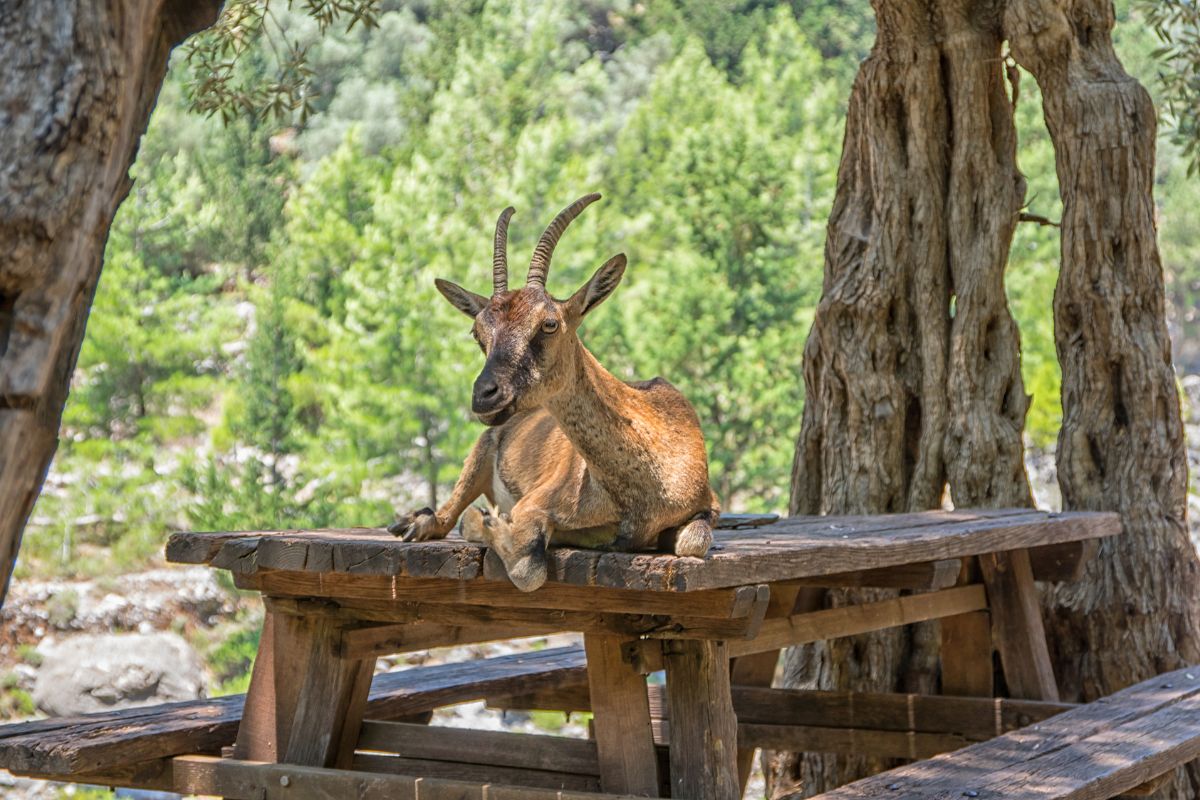
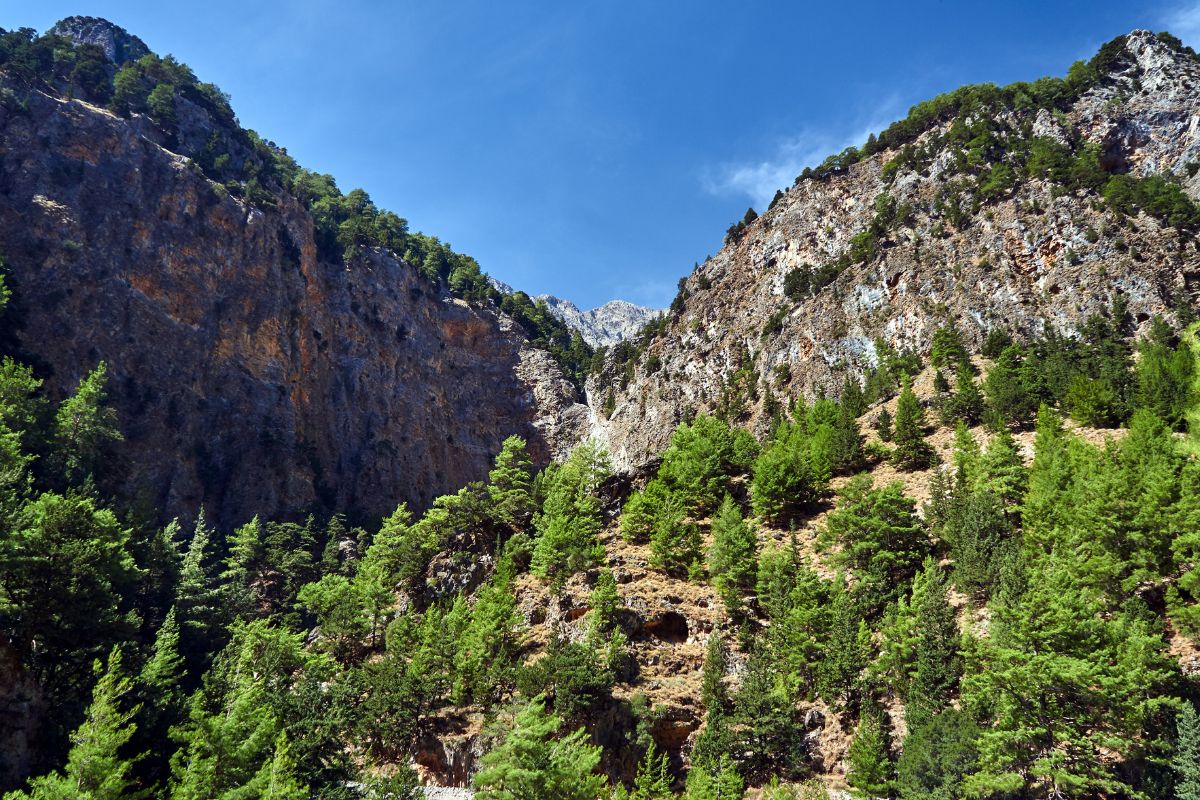
Samaria Gorge is Crete’s most famous gorge hike, and for good reason. It’s long, dramatic, and constantly changing as you descend from mountain terrain into the gorge’s narrow passages and, eventually, toward the Libyan Sea. You’ll often hear it described as Europe’s longest gorge, and if you want to debate the title, the experience is undeniably big. What makes Samaria special isn’t just its length. It’s the way it immerses you in the island’s natural architecture: cliffs towering above you, shady pockets where plants thrive, and that feeling of moving through a landscape shaped over thousands of years. It’s also one of the places where you might spot the kri-kri, Crete’s wild goat, especially if you’re lucky and quiet.
Psiloritis Mountain (Mount Ida Crete)
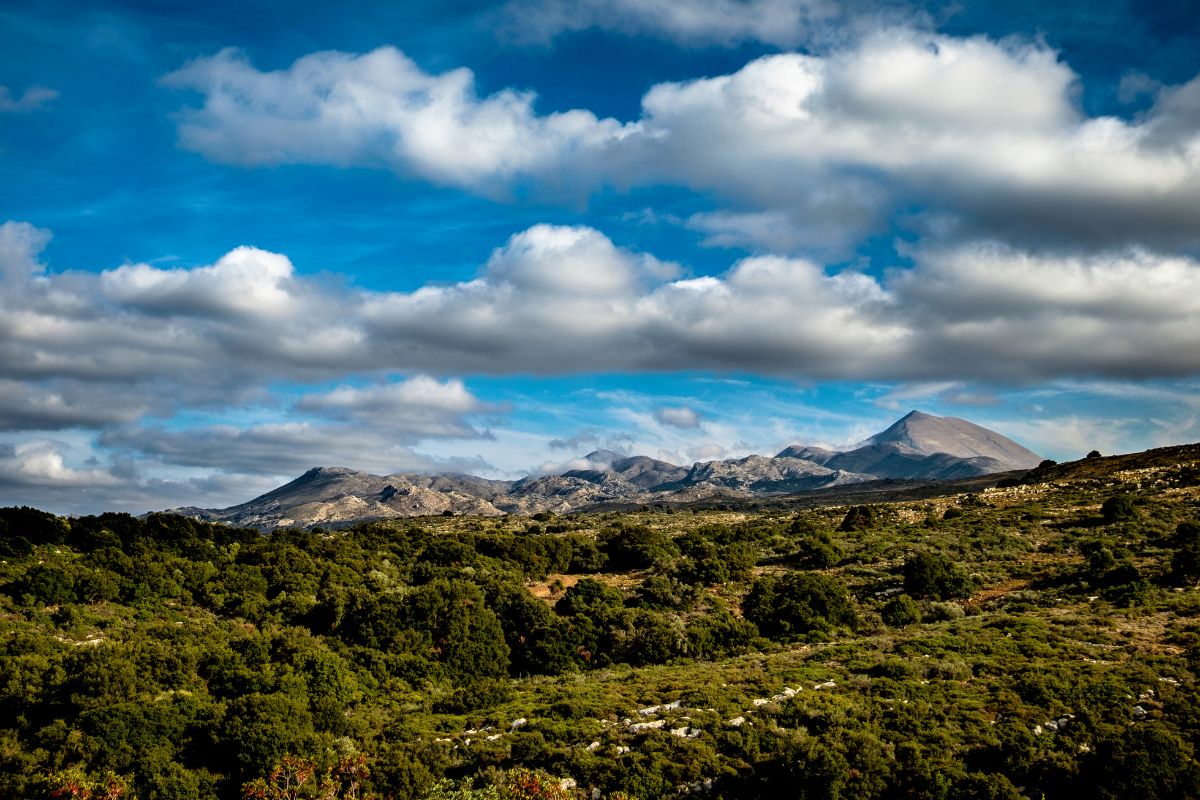
If the White Mountains feel like wilderness, Psiloritis (Mount Ida) feels like identity. At 2,456 meters, it’s the highest point on Crete, and it carries a sacred weight in local tradition and mythology. This is the mountain that holds the Zeus stories, the caves, and the strong sense that Crete’s interior has always been a world of its own, tough, proud, and deeply rooted. The landscapes here can be surprisingly alpine, especially near the summit. Depending on the season, you might have bright sun at lower elevations and cold wind higher up. It’s the kind of place that makes you pack layers even if you started the day in a t-shirt.
Timios Stavros Summit Trail
The peak of Psiloritis is known as Timios Stavros, named for the small chapel at the summit. There are a few ways to approach the hike, and the route you pick should match your fitness, the season, and how comfortable you are on rocky terrain. What’s consistent is the feeling: a steady climb, a changing horizon, and a finish that’s both humble and powerful, just a chapel, stone underfoot, and the entire island stretching out around you. It’s one of those hikes where the goal isn’t only the “summit photo.” It’s the slow, steady immersion into Crete’s highland character.
Ideon Cave on Psiloritis
The Ideon Cave (often called Idaion Andron) sits within the Psiloritis landscape like a doorway into Crete’s mythic past. Tradition links it with Zeus being raised in secrecy, and beyond the myth, the site has archaeological importance, evidence of long-standing ritual activity and offerings that point to its role as a sacred place over time. Even if you’re not especially into mythology, visiting a cave like this in the mountains hits differently than a museum stop. The setting matters: the altitude, the silence, the feeling of being surrounded by a landscape that has shaped stories for centuries.
Dikti Mountains Crete
The Dikti Mountains in eastern Crete blend rugged limestone terrain with unexpectedly fertile pockets, especially where plateaus open up between the peaks. This range feels a little different from the west and central mountains: it often has a gentler visual rhythm in places, but it’s still distinctly mountainous and full of natural drama. Dikti is also where Crete’s “plateau life” really shines, agriculture, traditional villages, and seasonal routines that revolve around the land.
Lassithi Plateau in the Dikti Range
The Lassithi Plateau is one of those places that instantly stays with you. It’s a wide agricultural basin ringed by mountains, known for its historic relationship with windmills and irrigation. The air here is usually cooler than the coast, and the plateau has a calm, open feeling, especially early in the morning when the fields are quiet and the mountains hold the light. It’s the kind of place where you can slow down: drive gently, stop for a coffee in a village café, and appreciate that this isn’t “mountain scenery” as a backdrop. It’s a living landscape.
Diktaean Cave (Birthplace of Zeus)
The Diktaean Cave near Psychro is famously linked with the myth of Zeus’s birth. Crete has multiple “Zeus caves” depending on the tradition, but Diktaean is one of the most well-known and commonly visited. The experience tends to combine natural wonder with storytelling: stalactites, cool cavern air, and the sense of stepping into a place that has carried meaning for a very long time. If you pair it with a Lassithi Plateau Day, you get a beautiful mix, nature, culture, and a landscape that still feels authentically local.
Asterousia Mountains Crete
The Asterousia Mountains run along southern Crete, and they’re often described as the island’s most rugged and remote range. They’re not the tallest mountains on Crete, but they feel wild in a different way: steep cliffs, arid slopes, and gorges that cut down toward quiet stretches of the Libyan Sea. This is a place for travelers who like the “less polished” side of Crete, simple roads, big skies, and landscapes that feel almost untouched. If you want dramatic southern scenery without crowds, the Asterousia range is a strong choice.
Thripti Mountains and Eastern Crete Peaks
The Thripti Mountains add another layer to eastern Crete, with pine-covered sections and impressive gorges that attract hikers and canyoning enthusiasts. The range is known for peaks like Stavromenos and for dramatic cuts in the landscape such as Ha Gorge and Mesonas Gorge, which are often mentioned among the most striking in the area. Thripti feels like a strong alternative if you’ve already explored the Lassithi Plateau and want something wilder, more cliffs, more vertical landscapes, and that sense of being in a raw, mountainous corner of Crete.
Mountain Villages of Crete
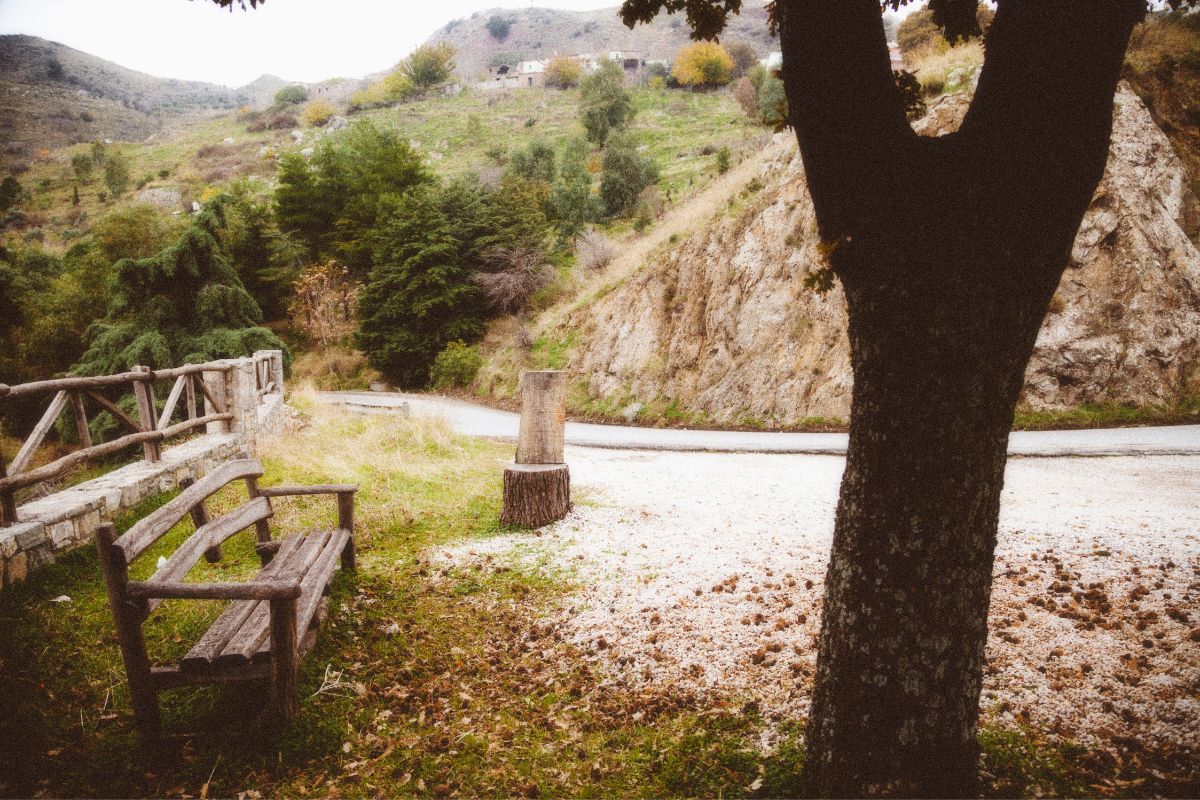
To really understand the Crete Greece mountains, you need at least one day that isn’t about “seeing” the mountains, it’s about living in them, even briefly. Mountain villages show Cretan culture at its most direct: locals offer genuine hospitality, cook with what’s in season, and keep traditions alive without packaging them for visitors. Villages like Anogia on Psiloritis celebrate music, weaving, and a strong sense of identity. Places like Zaros sit closer to nature routes and feel like gateways to walks, springs, and quieter inland landscapes. Across the island, you’ll find villages where the best moment isn’t a landmark, it’s a slow lunch, a chat with someone at the café, and the realization that “mountain Crete” has its own rhythm.
Hiking in the Crete Greece Mountains
Hiking is one of the best ways to experience the Crete Greece mountains, but it helps to choose trails that fit your style.
- If you want a classic, well-organized experience, Samaria Gorge is the iconic pick.
- If you’re drawn to summits, Timios Stavros (Psiloritis) and Pachnes (Lefka Ori) are major goals, but they’re best approached with solid preparation.
- If you want variety, the E4 trail offers sections across multiple ranges, and you can tackle it in smaller segments rather than committing to anything extreme.
The most important thing is to plan realistically. Crete’s mountains can be rocky, exposed, and time-consuming in a way that surprises people who are used to gentler European hill walks. Done well, though, hiking here doesn’t just give you views, it gives you context for the whole island.
Flora and Fauna of the Cretan Mountains
Crete’s mountain ecosystems are full of surprises. Because the island is isolated and has varied microclimates, you’ll find endemic plants and Crete flowers that grow only here, especially in higher zones and gorge environments. Wildlife is part of the magic too. The kri-kri is the famous symbol, particularly associated with protected areas, and if you spend time in the gorges and highlands, you’ll also notice Crete’s birdlife, including large birds of prey circling on thermals. Even if you can’t name every species, the feeling is unmistakable: these mountains are alive, and they operate on their own terms.
Practical Tips for Exploring the Crete Greece Mountains
A little preparation goes a long way in the Crete Greece mountains:
- Think in layers, not seasons. The coast can be warm while the mountains are windy or chilly. Pack a light jacket even in months that feel “summery.”
- Start early for hikes. Gorges and exposed slopes get hot fast, and daylight matters.
- Water is non-negotiable. Mountain terrain can be dry, and shade isn’t guaranteed.
- Wear proper footwear. Rocky trails and loose stone are common, especially in gorges.
- Drive with patience. Mountain roads are beautiful but slow, don’t plan a tight schedule.
- Respect conditions. Wind, sudden fog, or unseasonal cold can change the experience quickly, especially near summits.
- Choose the right route for your comfort level. Crete has everything from easy plateau strolls to serious mountain hikes, there’s no need to “overprove” anything.
If you want a smoother experience, consider pairing one bigger hike with easier cultural mountain days, plateaus, villages, scenic drives, and short gorge walks. That combination gives you the full story without turning the trip into a fitness challenge.
Conclusion
The Crete Greece mountains are more than a dramatic backdrop, they’re the island’s heartland. They shape the weather, the food, the villages, and the legends. If you’re walking through the cliffs of Samaria, climbing toward Timios Stavros, wandering the Lassithi Plateau, or discovering the rugged south in the Asterousia range, you’ll feel a different side of Crete, one that’s quieter, deeper, and often more memorable than the coast. If you want Crete with meaning, not just scenery, start with the mountains. They’ll give you adventure, culture, and that rare travel feeling of being somewhere truly distinct.