
A Guide to Museums in Crete
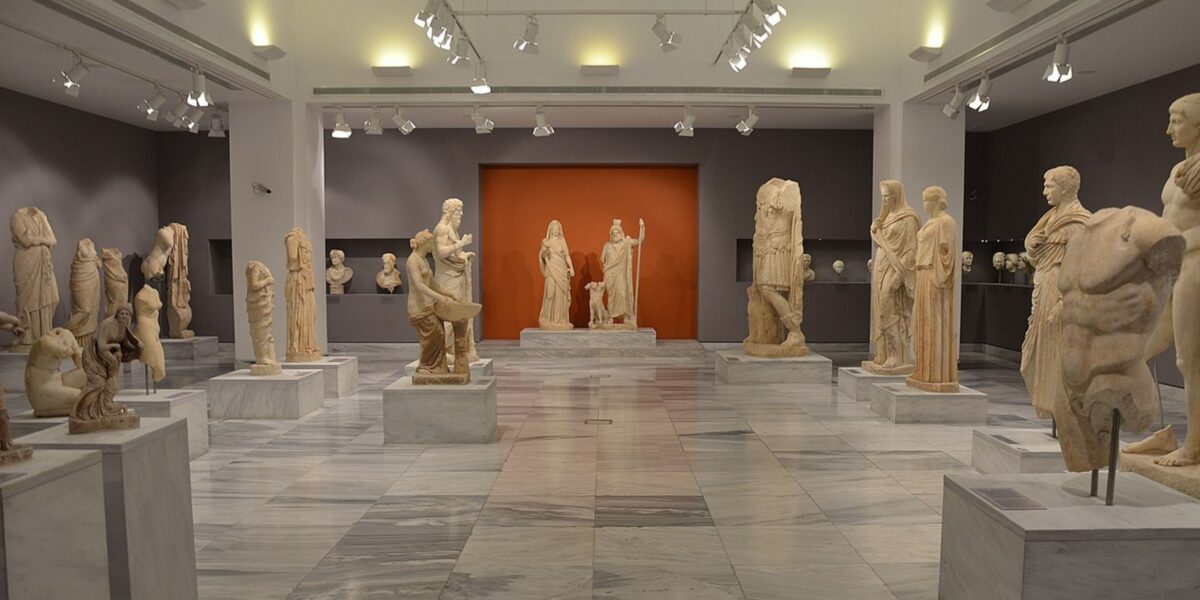
This article intends to introduce the best Museums in Crete.
Welcome to Crete in Greece. The island has a long past. You can enjoy much more than just the beaches here. There is a lot of history you can see for yourself. The island has many museums. In these, you will find old items, art, and natural history shows. This guide will help you learn about the museums in Crete. You can use it to pick the best museum for your trip.
The Best Museums in Crete
Crete has many important museums in Greece. In the island, you will see big places showing the best of Minoan art and smaller local museums with stories from that part of Crete. The Heraklion Archaeological Museum is the best museum of Minoan culture and it pairs perfectly with a dedicated Knossos Tour to see the palace artifacts in context. But you will also find other sites on the island with collections that are amazing. This part will show you the archaeological museums on Crete you should not miss. You will go from the top of the ruins at old palaces to the halls of new buildings. Get ready, as you will find Crete’s most important archaeological sites and the stories they tell about Minoan culture and masterpieces of Minoan art. For background before you go, read Minoan Civilization Crete and how it connects with Minoan and Mycenaean Civilizations.
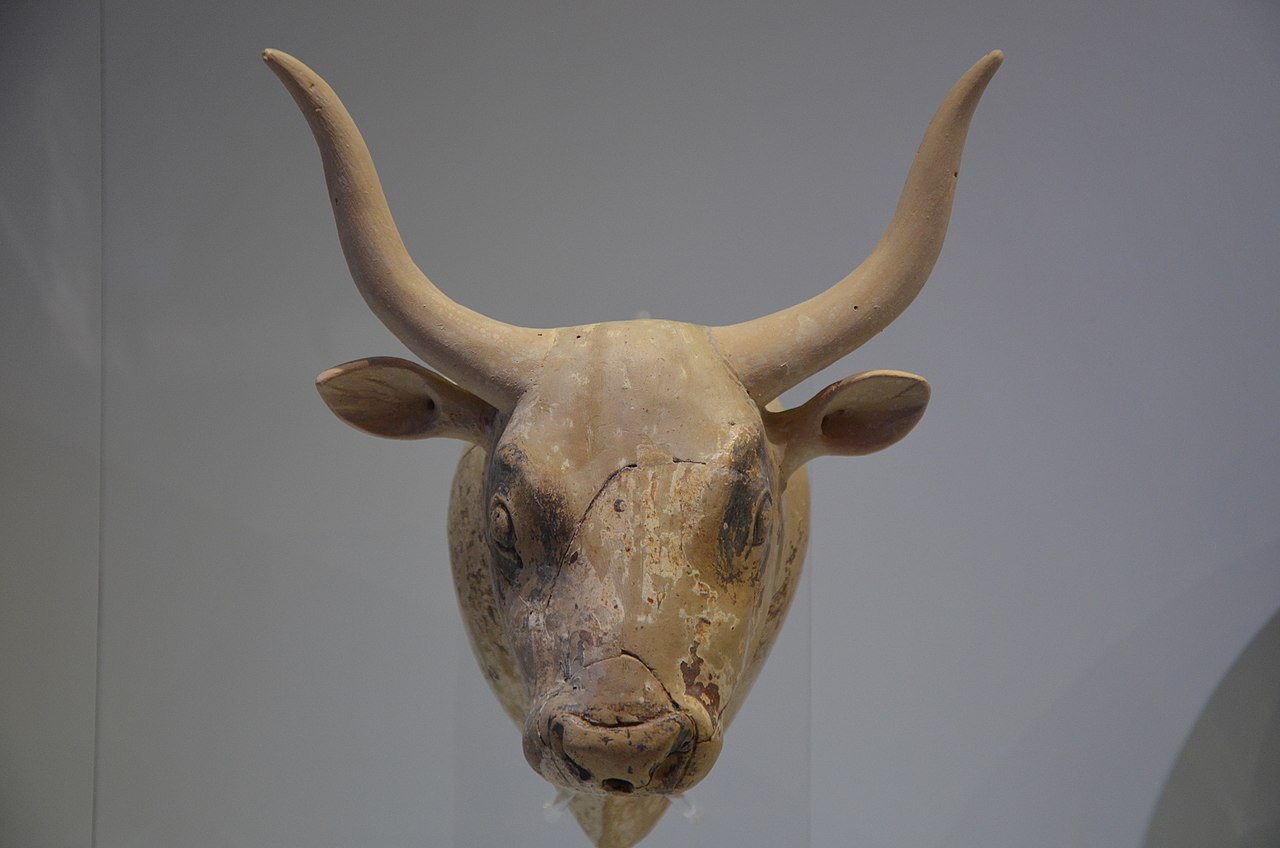
Image by: Carole Raddato
Heraklion Archaeological Museum
The Archeological Museum is situated right in the center of Heraklion town. It is one of the most significant Archeological Museums in the entire world. The displays spread across a period of 5500 years from the Neolithic period until the Roman era. Furthermore, it presents the biggest exhibition of finds from the Minoan Civilization, the first European civilization. The Museum underwent extensive renovations and its 24 exhibition halls opened to the people in May 2014. In addition, guests can appreciate one of a kind displays from the excavations at Knossos, Phaistos, Agia Triada, Malia, and other significant places of Minoan Crete.
The visit begins from the halls on the ground floor devoting it to the Minoan Civilization. They cover all periods of the Minoan development (3000 – 1300 BC). The explanatory texts in every room give the primary attributes of every period. Finally, in these Minoan halls, the guest can observe objects of Minoan workmanship, gems, art, jewelry, pottery, and quotidian objects the Minoans used.
Address: 2 Xanthoudidou St., Herakleion, 71202
Telephone: 0030 28102 79000
Admission: 12EUR
Email: amh@culture.gr
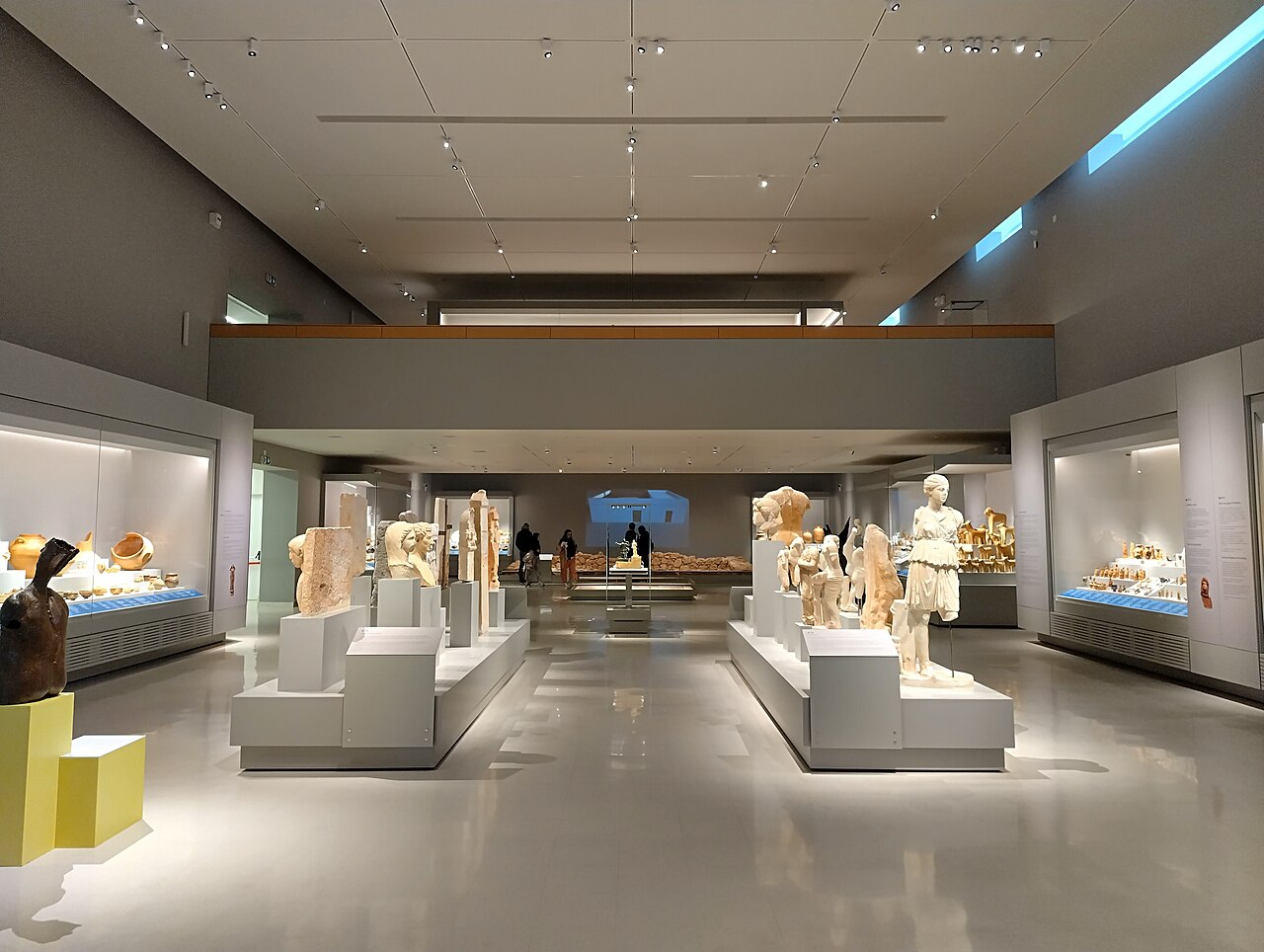
Image by: Tomisti
Archaeological Museum of Chania
The Archeological Museum of Chania is situated in the old downtown area in the Venetian church, devoted to St. Francis. Notably, the Saint of the Franciscan priests, is a significant landmark of the city. The division of the exhibition is in two sections: the eastern and western. In the eastern section of the structure, you will witness discoveries from the Neolithic Age up to the late Minoan period. While in the west section, there are discoveries from the Geometric times up to the Roman period. The mosaic floors of the Roman era (2nd – 3rd century AD) are exceptionally intriguing. They introduce displays from the Dionysian phase as well as displays of the myth of Poseidon and the nymph Amymone.
Address: 15 Skra Str. Chalepa, Chania, 73133
Telephone: 0030 28210 23315
Admission: 15EUR
Email: efacha@culture.gr
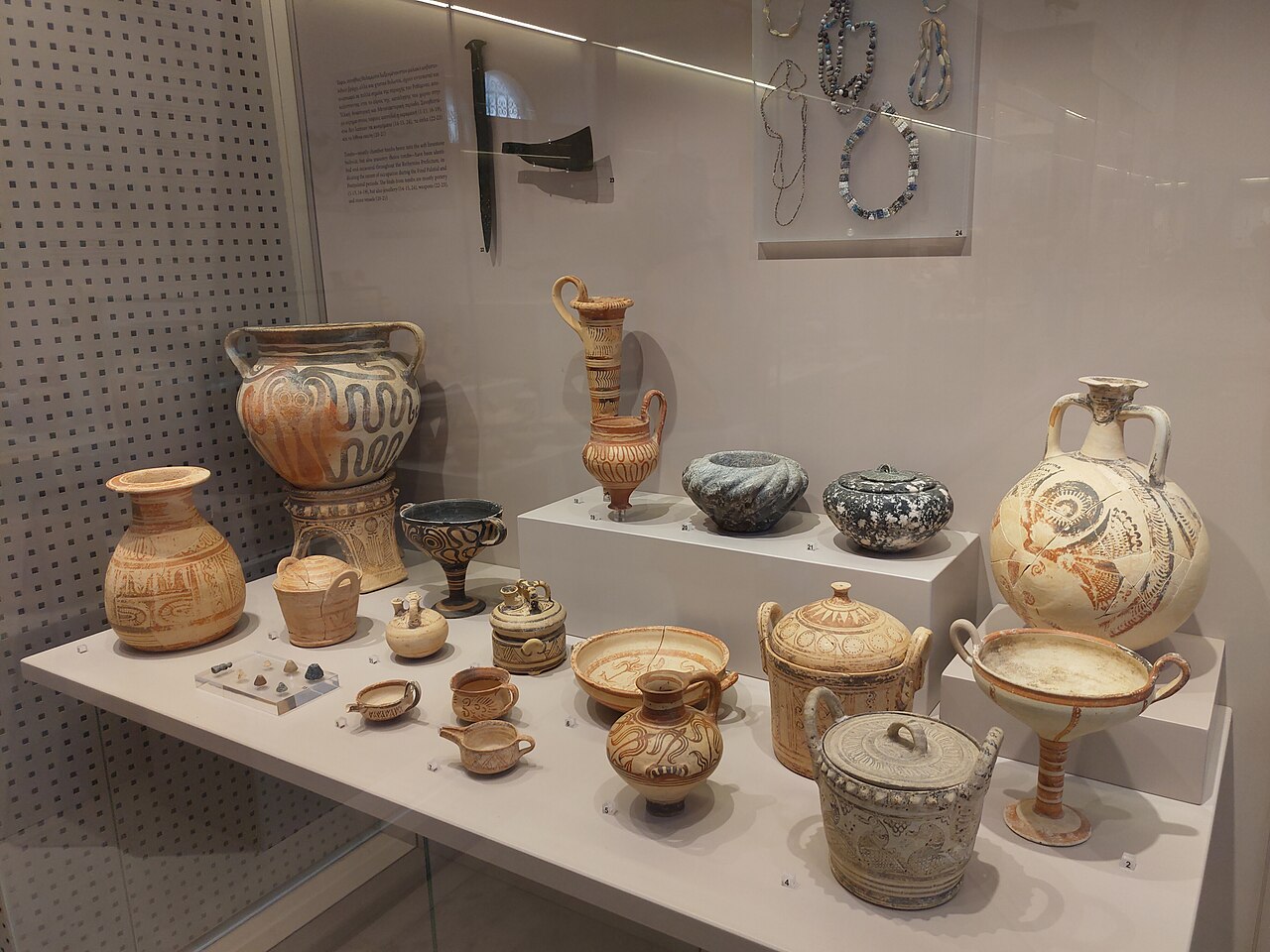
Image by: Tomisti
Archaeological Museum of Rethymno
The Archeological Museum in Rethymno is situated in the pentagon building, positioned before the primary entryway of the Fortezza. The collections originate from numerous locations of the wider area, covering the prehistoric and more recent periods. Moreover, in Melidoni Cave we can witness numerous items from the Neolithic (3500-2900 BC) and Early Minoan (2800-2100 BC). These artifacts are primarily pottery and sculptures. Additionally, visitors have the chance to see antiquities from the Late Minoan era (1600-1100 BC), the Geometric era (1000-700 BC), the Archaic (700-500 BC), and the Classical era (500-300 BC). Finally, from the Hellenistic and the Roman era the marble statue of Aphrodite, a Roman duplicate of the well known Greek sculpture, will definitely catch your eye.
Address: 4 St. Frances St., Rethymno, 74131
Telephone: 0030 28310 27506
Admission: 5EUR
Email: efareth@culture.gr
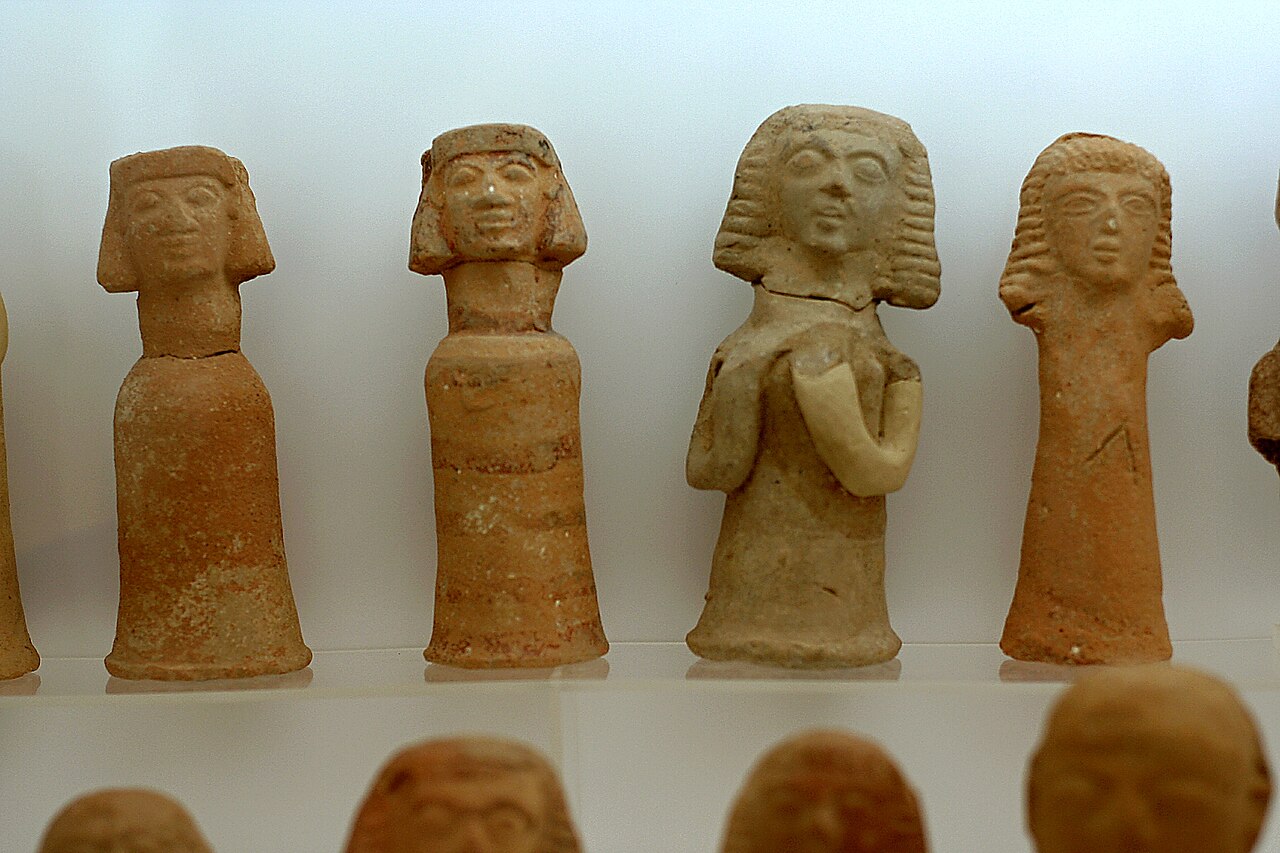
Image by: Zde
Archaeological Museum of Agios Nikolaos
The Archeological Museum in Agios Nikolaos was established in 1970, to introduce the various discoveries from eastern Crete. However, before then, the discoveries were housed in the Museum of Heraklion. The collection covers the time of the Neolithic age to the end of the Greco-Roman age. The museum is split into five rooms. In the main room, the phallus-formed statuette is the centerpiece, found in Zakros Cave. Proceeding to the next room, the most celebrated object of the Museum, the «Goddess of Myrtos« is revealed. The fourth room is devoted to the New Royal period (1700-1450 BC). Ultimately, the last room is decorated with the discoveries of the Classical, Hellenistic time.
Address: 74 Konstantinou Palaiologou St., Agios Nikolaos, 72100
Telephone: 0030 28410 24943
Admission: 10EUR
Email: efalas@culture.gr
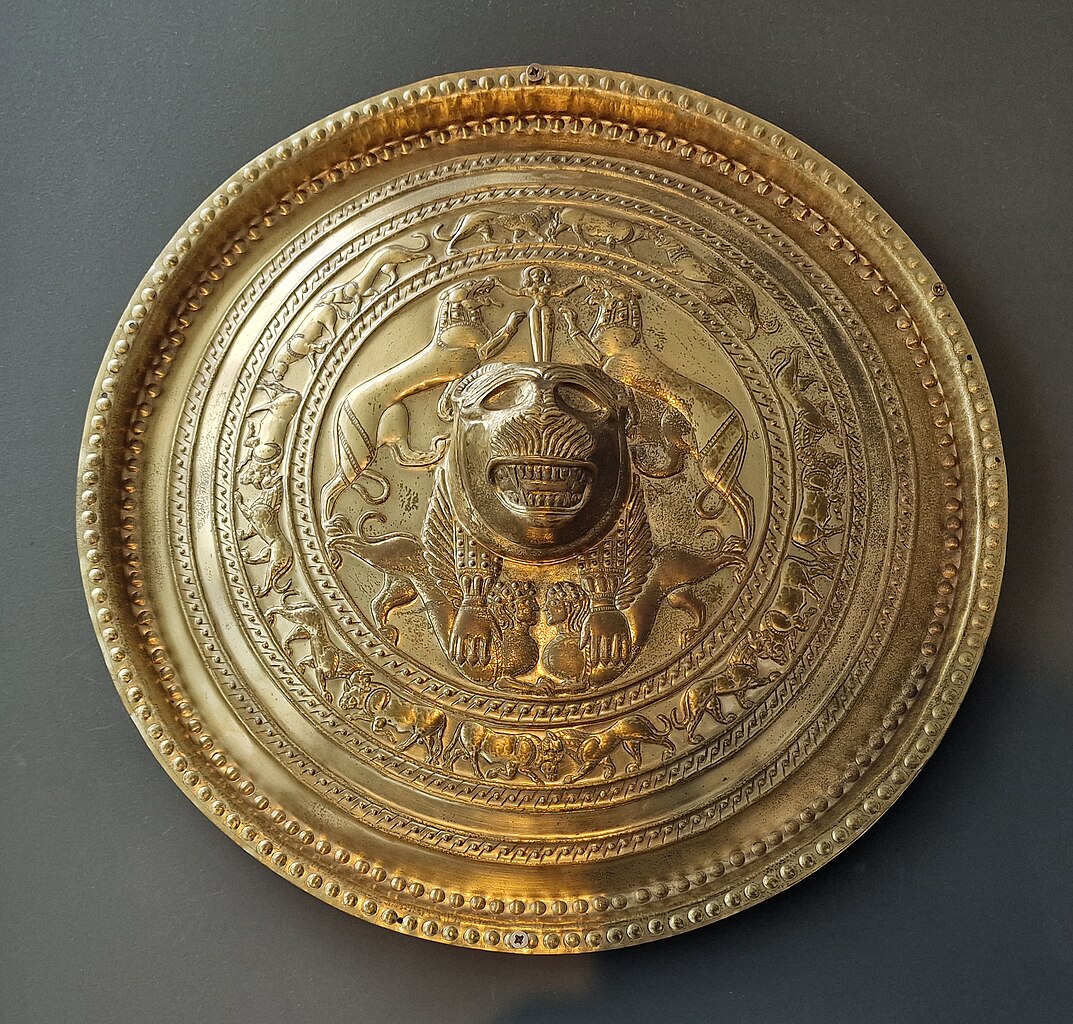
Image by: Rigorius
Archaeological Museum in Ancient Eleftherna
Ancient Eleftherna was a key city in Greek and Roman times. Its story connects with greek mythology and many great legends. Since 1985, cretan archaeologists have been working on excavations here. They have found things that help us know more about the history of crete and life during those times. The archaeological museum of Eleftherna was started in 2016. It was built to hold the many objects found by these cretan archaeologists at the archaeological site. The museum is special because it sits next to the place where all the ancient items, pottery, and other things were discovered, so visitors can see them up close, in their real setting. The exhibits in the archaeological museum show life from a long time ago, from the Geometric ages to the early Byzantine period. Going to both the museum and the excavation area at the archaeological site is a good way to learn. You can walk through the remains of the old greek city and then see the artifacts, including pottery, items from a necropolis, and more. When you do this, you get a real sense of the link between crete’s land and its history.
Address: Eleftherna Mylopotamoy, Rethymnon, 74052
Telephone: 0030 28410 92501
Admission: 10EUR
Email: museum@mae.com.gr
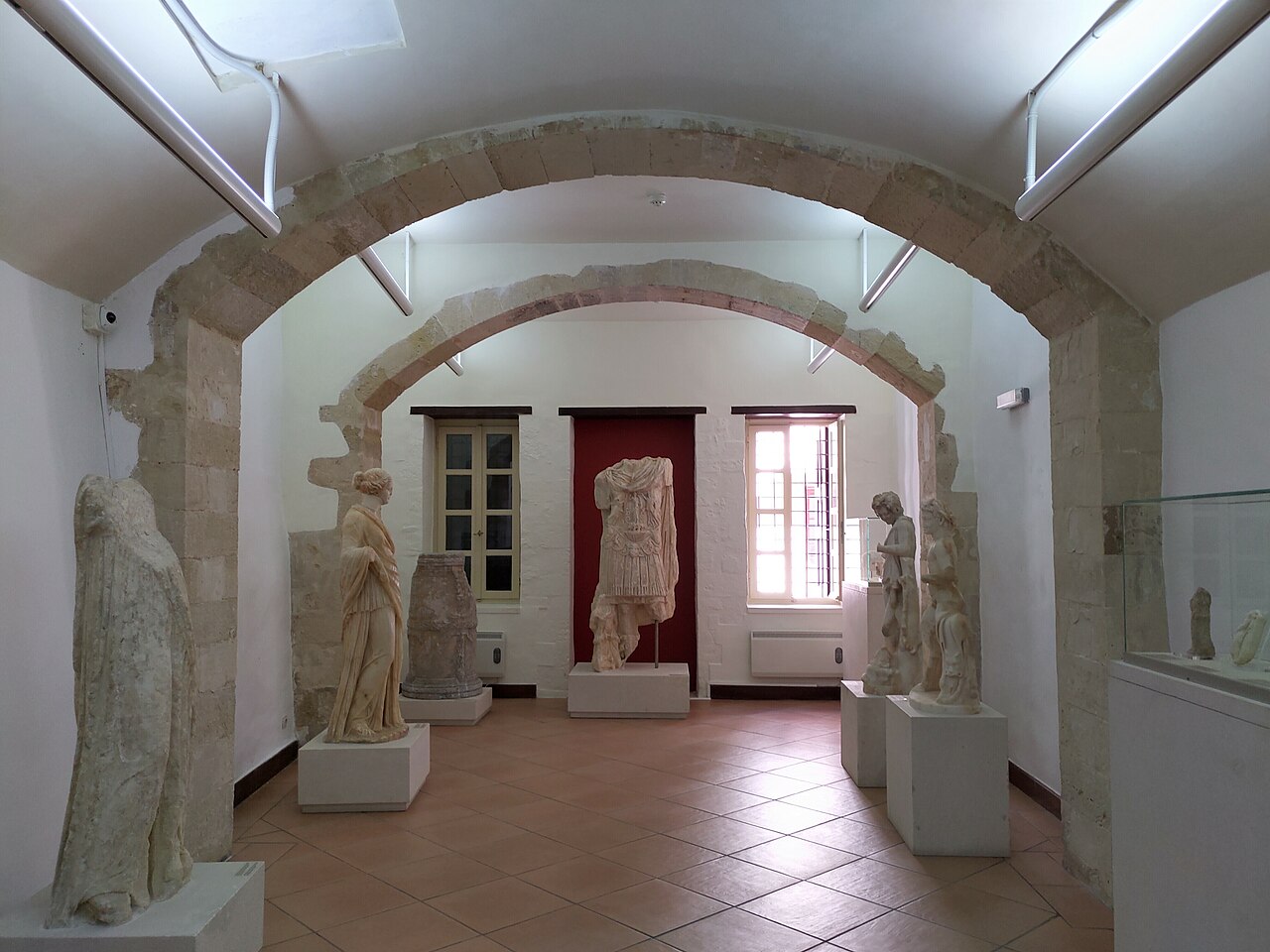
Image by: Tomisti
Archaeological Museum of Kissamos
The Archaeological Museum in Kissamos looks at the history of western Crete. Make it a full day by combining the museum with coastline time using our Chania Beaches and Crete Greece Beaches guides. This area became important during Classical and Roman times. The museum is inside an old city building that has been fixed up with care. It stands in the center of the town. The main thing you will see at the exhibition is a group of Roman floor mosaics, which are in good shape. The mosaics use tiny colored stones to show scenes from city villas during Greco-Roman times in Kissamos. They help you see the art and how people lived back then. Along with the mosaics, there are large Roman marble statues and an old sundial you can look at. The archaeological museum offers a special view of Crete in roman times. You get to learn about this part of history, which is not the same as the usual Minoan displays you find in other places.
Address: Stratigou Tzanakis Square, Kissamos, 73400
Telephone: 0030 28220 83308
Admission: 5EUR
Email: efacha@culture.gr
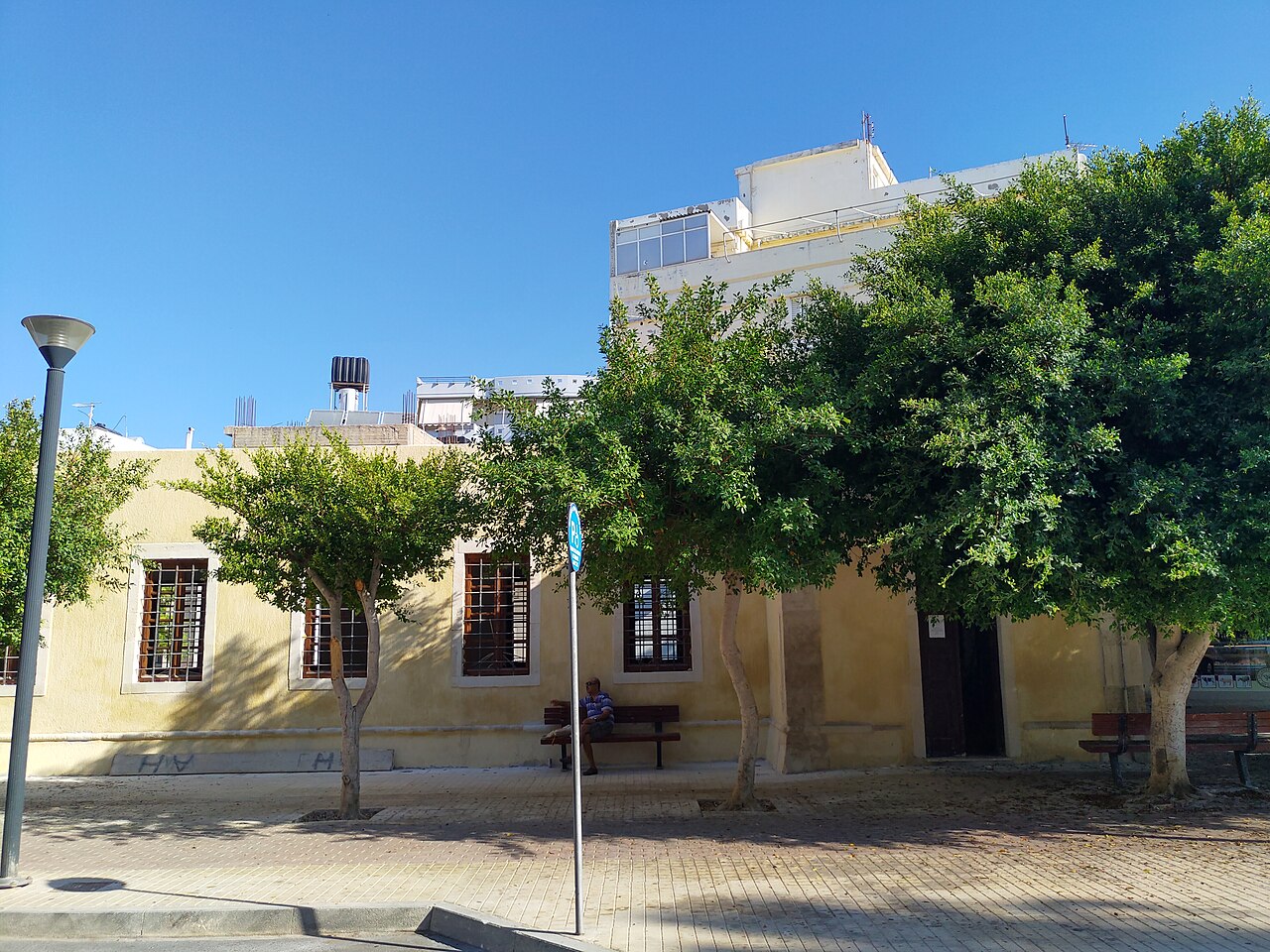
Image by: Tomisti
Archaeological Collection of Ierapetra
The Archaeological Collection in Ierapetra is inside a building that was made for the city’s Muslim children in 1899. It has finds from the southeastern part of Crete. The collection is not big, but there are some very interesting things here. These pieces help to tell the story of the area. The museum has two halls. When you walk in, you will first see a marble statue of the goddess Persephone from the 2nd century AD. It is almost perfect and shows how talented the artists were back then. The displays share the history of this region, starting from the time of the Minoan culture and moving through later times. The panels beside the artifacts are clear and easy to read, so you can quickly get the meaning of what you see. The Archaeological Museum is a good place to visit if you want to know more about Ierapetra and Crete.
Address: National Resistance and Democracy Square, Ierapetra, 72200
Telephone: 0030 28220 28721
Admission: 5EUR
Email: efalas@culture.gr
Unique Museums in Crete
Apart from the big archaeological museums, Crete has many other places to visit. These museums show a wide view of the island. You can see the way of life, its history, and what makes Crete special in these places. They let you learn about topics like how people lived before, what happened in modern wars, and the maritime history of Crete. If you want to see more than just ancient history when you come here, you will find these museums to be a good choice. They help everyone understand how life was for people in Crete, show many parts of its history, and offer educational programs that are fun and interesting for visitors. Now, let us see some of these special and different museums.
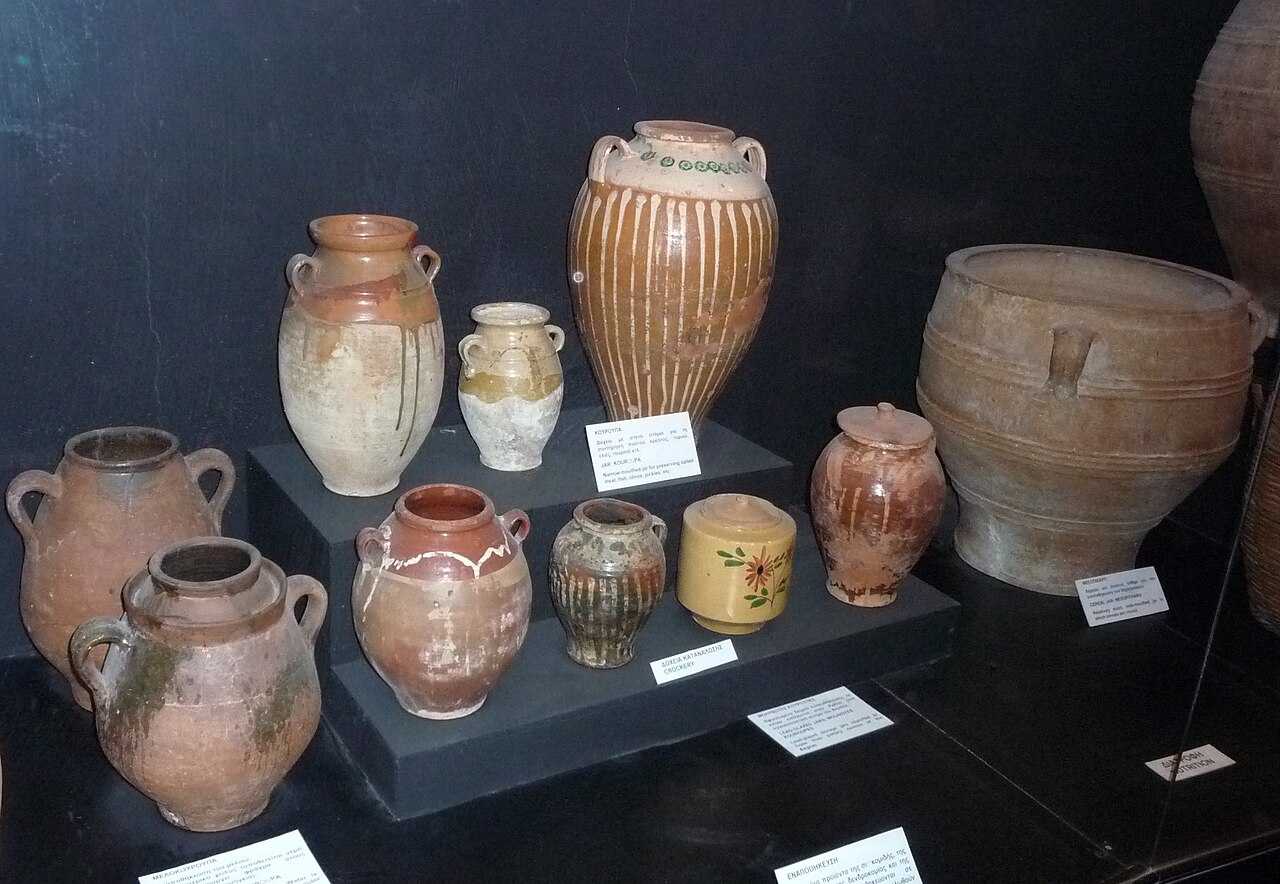
Image by: JopkeB
Museum of Cretan Ethnology
The Museum of Cretan Ethnology works to save and share the traditional way of life found on the island of Crete. Read more about countryside culture in rural Crete, including farming in Crete and Cretan traditional Dress. It lets you see how people used to live, showing real tools, customs, and daily tasks of Cretans through the years. With this museum, you can know more about the island’s culture, not just its ancient ruins. The exhibits at the museum show many parts of life on Crete. You will find displays about agriculture, making textiles, weaving baskets, and pottery. If culinary heritage is your thing, explore traditional Cretan Food and ancient Minoan Cuisine influences.
There are farming tools, weaving looms, and you also get to see the construction materials used to build homes there. These collections help people get a clear sense of the island’s not-too-distant past. With its displays and educational programs, this museum is a good place to learn. It helps people see how those in Crete worked, created, and lived in their time. This deepens your respect for all the old traditions that still last on the island.
Address: Voroi Pirgiotissis, Heraklion, 70200
Telephone: 0030 28920 91110
Admission: 12EUR
Email: info@cretanethnologymuseum.gr
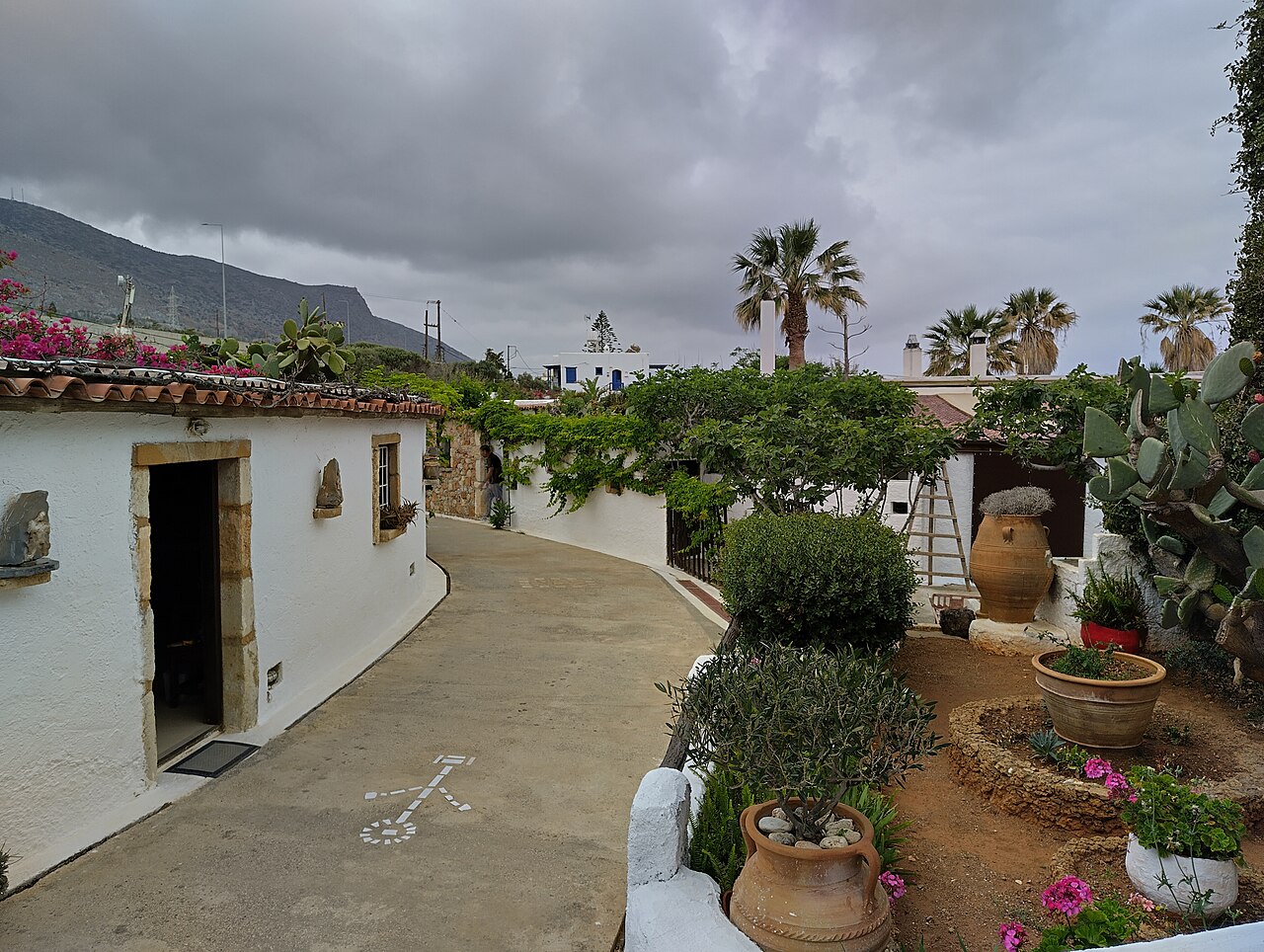
Image by: Tomisti
Lychnostatis Open Air Museum
The Lychnostatis Open Air Museum gives you a new way to enjoy culture. It does not put things behind glass. Instead, it sets up a traditional village from Crete. You can go inside homes, workrooms, and gardens. You will see how the people used to live. The museum lets you get close to Cretan culture and join in. This museum is a good choice for families and for those who like to learn with hands-on activities. It shows how the land, people, and old ways all go together in Crete. You get to feel the island’s past in a direct and personal way.
Some of the things you can enjoy here are:
- Workshops that show old crafts, like working with clay and weaving.
- A garden full of Cretan plants and fruit trees.
- Events and festivals that happen during the year. These special days share Crete’s local customs.
- Educational programs and guided tours where you will find out more about each part of the museum.
Address: Plaka, Chersonissos, 70014
Telephone: 0030 28970 23660
Admission: 8EUR
Email: info@lychnostatis.gr
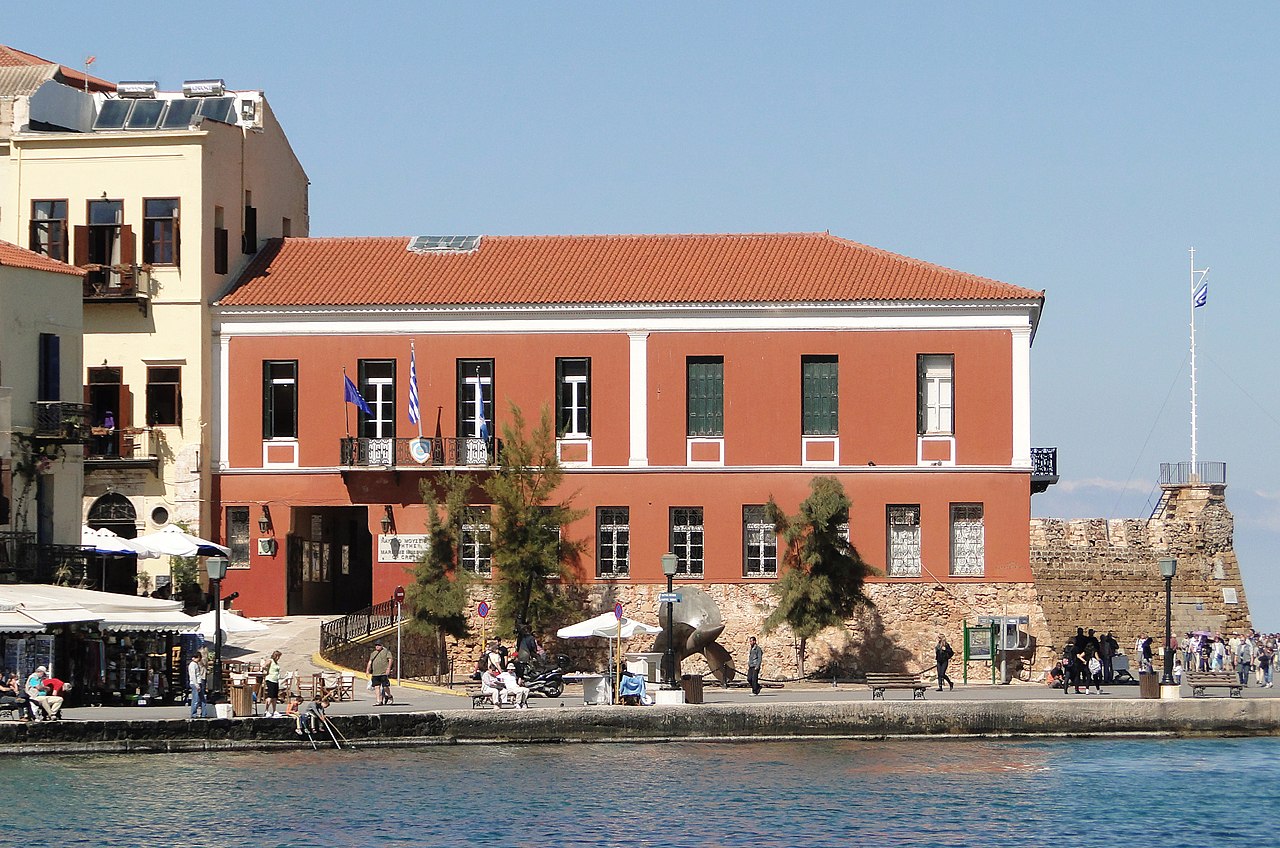
Image by: Bernard Gagnon
Maritime Museum of Crete
The Maritime Museum of Crete sits in a great spot by the entrance to the old Port of Chania. Keep the sea theme going with a beginner-friendly scuba dive Crete experience along the north coast. This building stands out and the museum inside shows off the island’s long and rich seafaring story. People in Crete have always traveled the sea. It was key for trade and defense on the island. The museum gives us a good look into that past. The museum has three main sections. One area is about ancient shipbuilding. Another covers the old Greek ways of life on the sea. There is also an area for the Battle of Crete. You will see model ships here. This includes a copy of a Minoan boat.
The museum also shows old tools for finding direction and other objects from Greece’s navy. These exhibits show how Crete’s history ties with the big Mediterranean Sea. Being close to the port makes visiting easy. If you love dramatic coves, add Seitan Limania Beach Crete to your Chania plan after the museums. After you see what’s inside, you can step out and look at today’s busy port of Chania. This helps you see how life on the sea still goes on right here.
Address: Akti Kountourioti, Chania, 73136
Telephone: 0030 28210 91875
Admission: 10EUR
Email:mar-mus@otenet.gr
Natural History Museums in Crete
Crete is not only about people and history. The island also has a rich natural environment. If you want to know about the geology, plants, and animals of Crete, you can visit its natural history museums. These places focus on showing the natural history of the island and the Mediterranean area. These museums give a new way to see Crete. You can learn how places like Samaria Gorge, the mountains, and the sea all help make Crete what it is. They offer fun and hands-on educational programs for all ages. This is a good choice for families who want to learn more together.
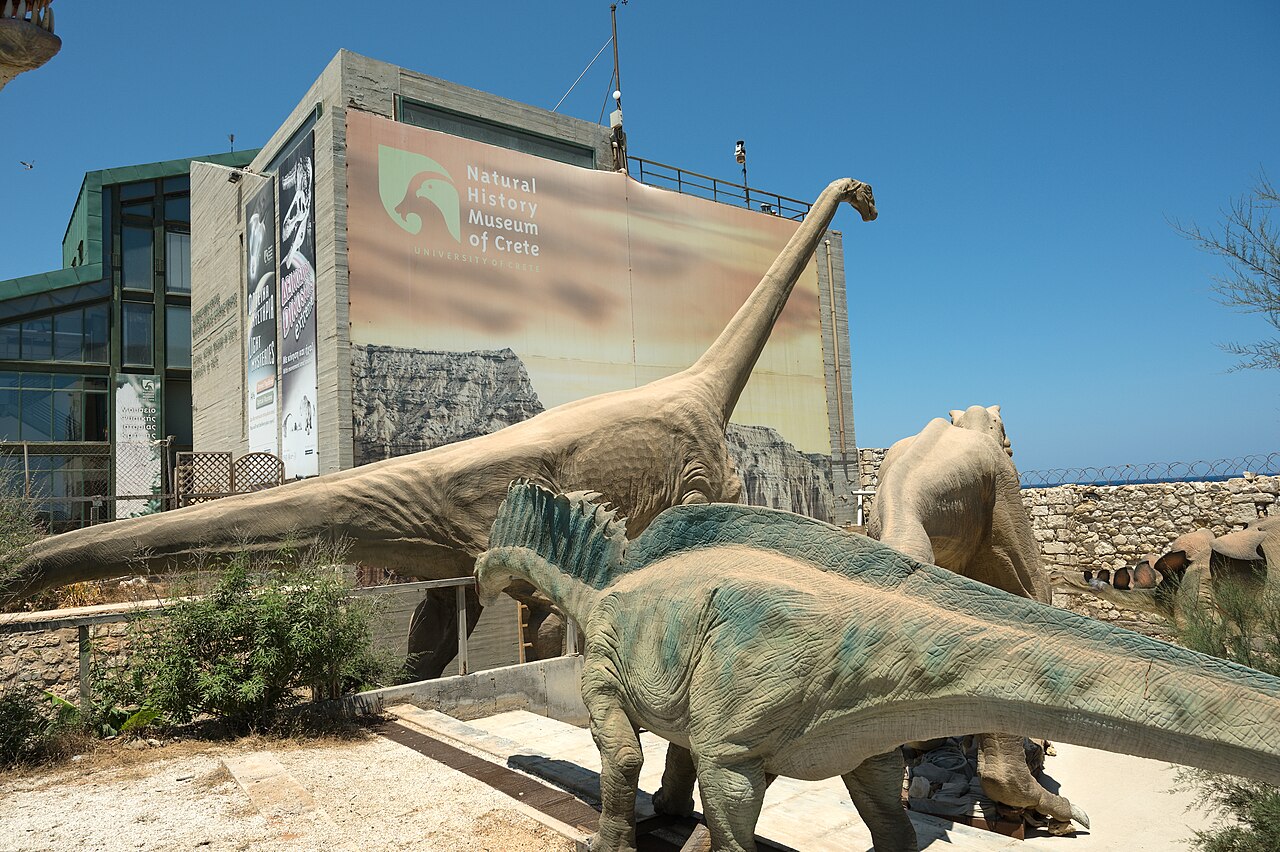
Image by: Zde
Natural History Museum of Crete
The Natural History Museum of Crete is a key place for anyone who wants to learn about the island’s many plants and animals. The museum shows fossils, sea life, and rocks. These help you see the rich story of Crete’s land and animals. In the natural history museum, you can also find different educational programs. These programs are made to teach people about the natural environment and how different animals and plants change over time to live on Crete. The museum is in Heraklion. It also tells about how the special land of Crete has shaped the way people there live. So, you get to learn both about the old and new ways of life, mixed with science facts. The museum of Crete gives a fun and interesting visit to all people who come.
Address: Sofoklis Venizelou Avenue, Dermatas Bay, Heraklion, 71202
Telephone: 0030 28103 93630
Admission: 8EUR
Email: info.nhmc@uoc.gr
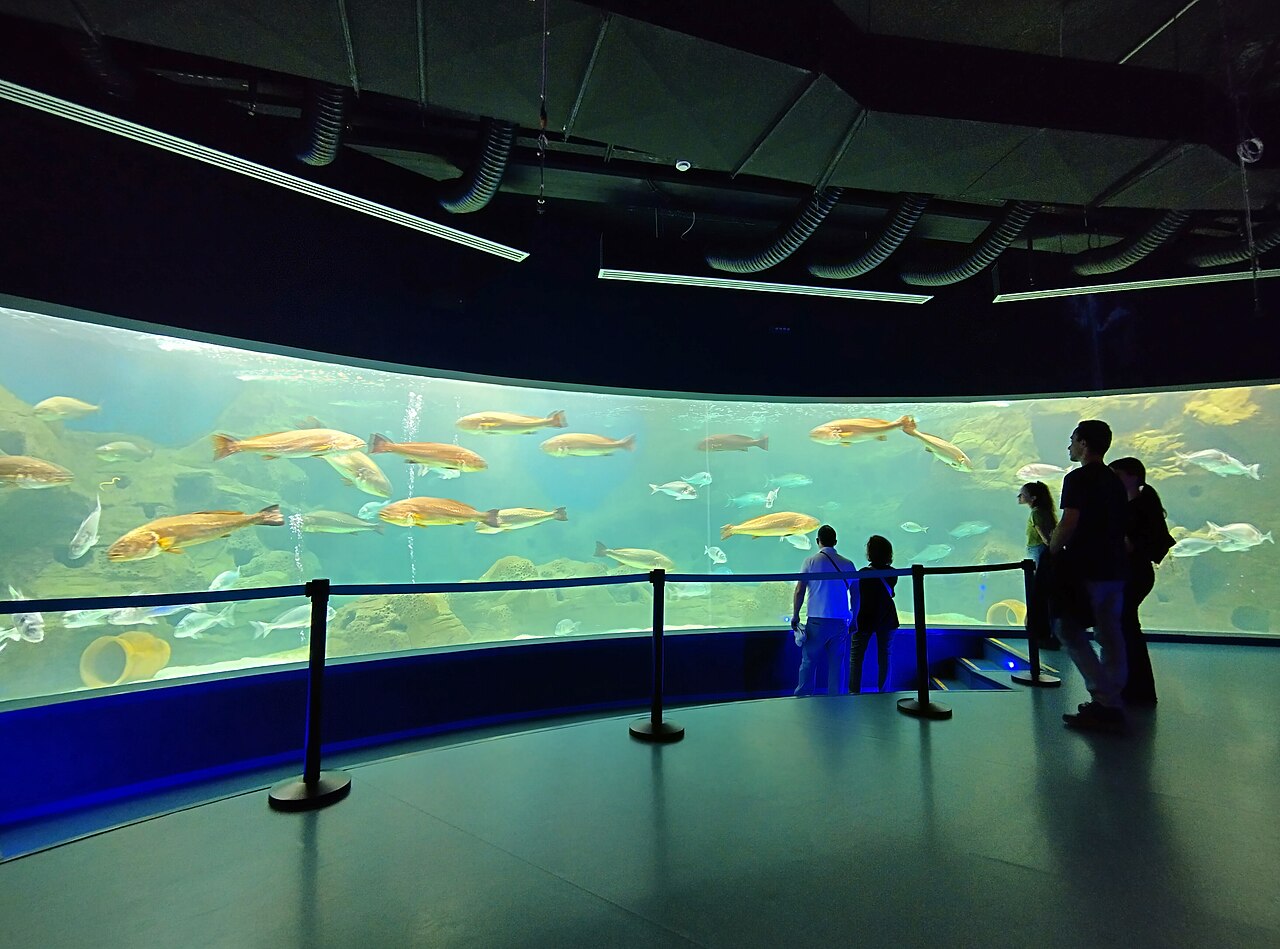
Image by: Tomisti
Cretaquarium
Cretaquarium gives you a chance to see the underwater world of the Mediterranean Sea. It is one of the biggest aquariums in Europe and is a top place for people looking to learn about marine life or have a good time with family. Here, you can get close to all kinds of sea animals that live in the waters of Greece. The aquarium is set up so everyone can enjoy it. You will see big tanks and neat displays that help you watch hundreds of species in spots that look like their own homes in nature. It is great for fun and to learn new things.
Key features of the Cretaquarium include:
- Large tanks showing sharks, rays, and sea turtles.
- Interactive displays that talk about marine ecosystems.
- Educational programs and feeding demonstrations.
- Full accessibility and visitor amenities like a cafe.
Address: Former American Base, Gournes, Heraklion
Telephone: 0030 28103 37788
Admission: 12EUR
Email: thalassocosmos@cretaquarium.gr
Art and Cultural Museums of Crete
Crete is known for its rich art history. This goes far beyond its old artifacts. The island has many art and cultural museums. You can see many kinds of artworks here, from Byzantine religious paintings to new pieces. These places help people get a feel for what the island is all about. It does not matter if you want to see famous pieces at the historical museum of crete or check out religious art at the Museum of Christian Art. There is a lot to find and enjoy. This part tells you about museums that highlight artistic traditions in places like rethymnon and heraklion. It helps you see another side of crete and what makes it special.
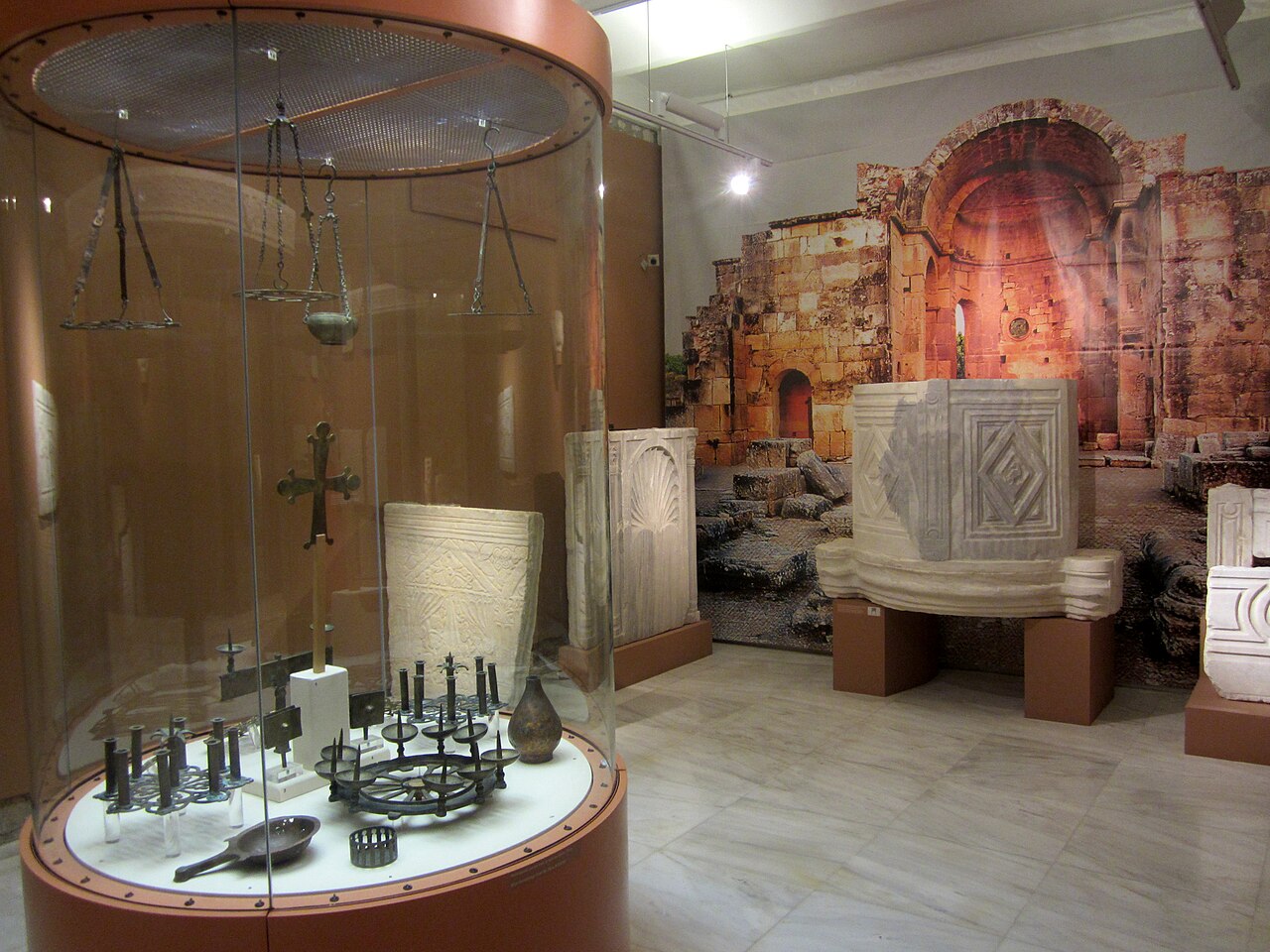
Image by: Tomisti
Historical Museum of Crete
A trip to the Historical Museum of Crete in Heraklion lets you see much about Crete’s long history. You will find things from many times, like the Minoan civilization and roman times. The museum shows how people lived, what they did, and how they worked in Crete years ago. The exhibitions tell about big events too. One of them is the Battle of Crete in world war ii. To round out your day in town, see our smart itinerary planner experience Crete for nearby stops and cafés. Educational programs are there to help you learn more, so the museum is good for all ages. People can see, know, and understand the many sides of Crete and its past.
Address: 27 Sofokli Venizelou Avenue, Heraklion, 71202
Telephone: 0030 28102 83219
Admission: 8EUR
Email: info@historical-museum.gr
Museum of Christian Art in Heraklion
The Museum of Christian Art is in the Church of St. Catherine of Sinai, which was built in the 13th century. You can find this place in Heraklion. The museum has the most valuable group of icons on the island of Crete. The building may be old, but the museum inside is new and simple. Here, you get to see how icon painting in Crete changed by mixing old Greek ideas with new ones from the Renaissance. This museum lets you see important treasures taken from many churches and monasteries. These are not just art pieces, they tell the spiritual and history of the island.
When you look at the icons on display, you see great skill and a mix of styles that grew in Crete when the Venetians were here. You do not have to be an expert to get what makes these paintings special. Anyone can see the devotion and time put into every single one. If you want to learn more about religious art or what made Crete and Heraklion rich in spirit, this is the place to go. The museum is quiet, so you can take your time and feel the importance of these works. This is a good spot for people who want to know about the greek roots of the art and the story behind it.
Address: Monis Odigitrias 1, Heraklion
Telephone: 0030 28103 36316
Admission: 4EUR
Email:iak.mouseio@gmail.com
Museum of Contemporary Art of Crete
The Museum of Contemporary Art of Crete sits in Rethymno. It is a modern place that shows the art of today. The museum shares the work of new Cretan and Greek artists. It is a good place for new ideas and people having a creative talk. The museum brings in different shows during the year. The displays come in many forms like paintings, sculpted pieces, installations, and mixed media art. Each display shares ideas about the culture in Greece now. Many pieces talk about social and history topics from a new view.
What the museum does gives a boost to the art scene on the island of Crete. If you are interested in what art looks like today, you will find this museum shows a different side of Crete and Greece. It stands out from the old and history-heavy places. It shows that the strong spirit of Crete is in today and tomorrow, not just in the past.
Address: 32 Mesologhiou str., Rethymnon, 74131
Telephone: 0030 28310 52530
Admission: 6EUR
Email: info@cca.gr
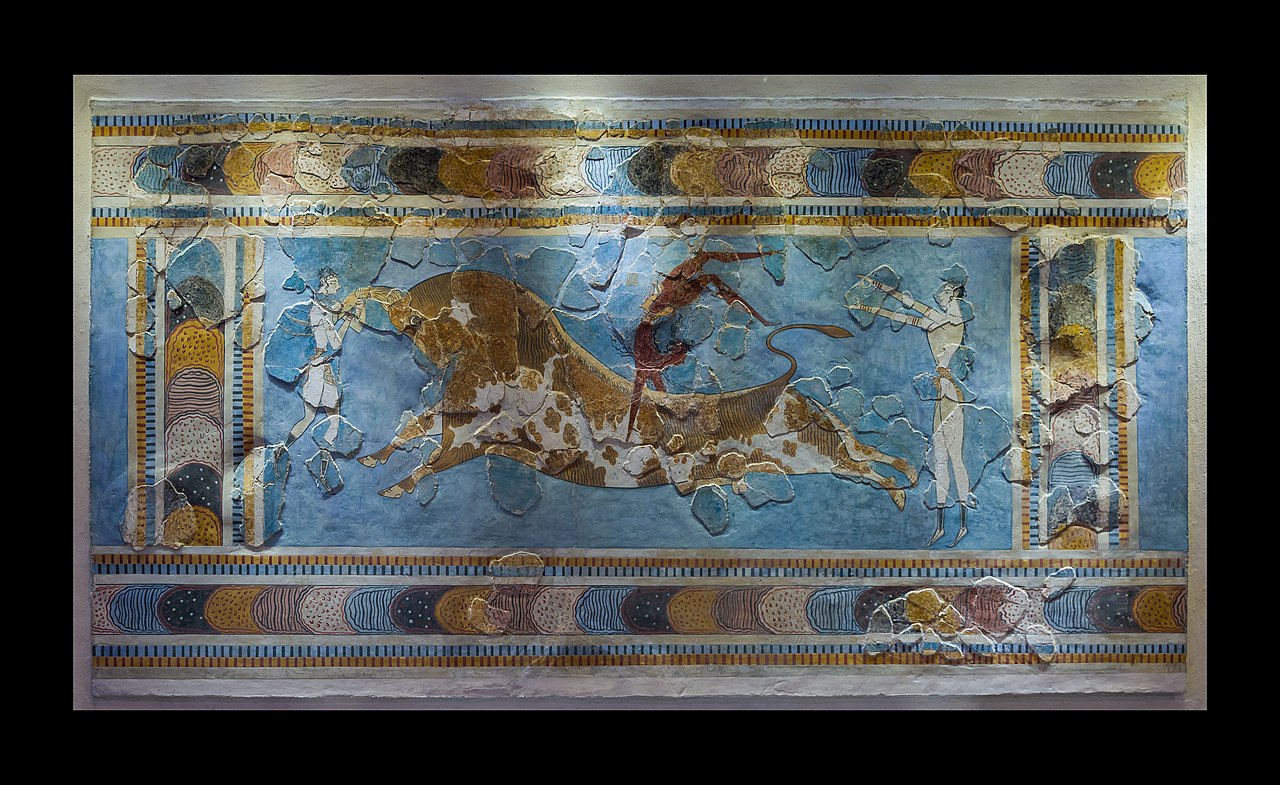
Image by: Jebulon
Practical Information for Visiting Crete Museums
Planning a trip to visit museums in Crete is easy if you prepare ahead. Knowing a few handy things can make your time in the museums better and more fun. Most big museums are in Heraklion and Chania, so you do not have to go far to get there. If you’re based in the west, look into Knossos From Chania options that bundle transport with guided time on site. Here, you will find important tips. Opening hours may not be the same in summer (from April to October) and winter (from November to March). You can find a cafe when you need to take a break. If you know about these things before you go, you will be free to enjoy the exhibits you want to see.
Opening Hours and Ticket Purchase Tips
Before you visit any museum in Crete, it is a good idea to check its opening hours. Timetables often vary by season. Summer hours (typically April to October) are longer, while winter hours (November to December and beyond) are shorter. Most museums run by the Ministry of Culture have standard hours, but it’s always best to verify online. You can usually buy tickets directly at the museum entrance. For very popular sites like the Heraklion Archaeological Museum or the Knossos Palace, purchasing tickets online in advance can save you time, especially during peak season. Some museums may offer discounts for students, seniors, or children.
Here is a general guide to help you plan:
| Museum | Typical Summer Hours | Typical Winter Hours | Ticket Purchase |
|---|---|---|---|
| Heraklion Archaeological Museum | 8 AM — 8 PM (Tues-Sun), 10 AM — 8 PM (Mon) | 8:30 AM — 3:30 PM Daily | On-site or Online |
| Archaeological Museum of Chania | 8 AM — 8 PM Daily | 8:30 AM — 3:30 PM Daily | On-site |
| Natural History Museum of Crete | 10 AM — 6 PM (Weekdays), 10 AM — 7 PM (Weekends) | 9 AM — 3 PM (Weekdays), 10 AM — 6 PM (Weekends) | On-site |
Accessibility and Family-Friendly Features
Many museums in Crete are trying to be more open and friendly to families. The newer or updated museums, like the Heraklion Archaeological Museum, often have good spaces for everyone. You may find that some older museums or historical sites are not as easy to use.
If you plan a family day out, there are museums that give learning programs or interactive things for kids. The Natural History Museum of Crete and the Lychnostatis Open Air Museum stand out for a family trip. The Heraklion Archaeological Museum is also good for families because its big display can get both kids and adults to be curious about the past.
When you get ready to go, check if the museum has:
- Ramps or lifts for wheelchairs and strollers.
- Interactive things for younger visitors.
- Restrooms and family-friendly places for changing.
- Special learning programs or tours for children.
Guide to Museum Locations and Transportation
Getting to museums in Crete is usually easy. Most of the big museums are in the main cities like Heraklion, Chania, and Rethymno. These museums are often close, so you can walk to them from the city center. If you want to see a museum outside town, there are a few ways you can get there. First-time visitors can check Athens to Crete for easy flight and ferry options to Heraklion or Chania. You can use a rental car. This gives you the most freedom to visit museums and sites at your own speed. There are public buses, too, and these link the main towns and bigger sites. If you use Google Maps on your phone, it is a good way to help you get around. It works well when you drive or when you try to find a bus stop.
Keep in mind, distances here are shown in kilometers (km). It can be hard to find a parking spot in busy city centers. So, try to find a public parking lot that is meant for visitors. Some museums, mainly those that are far from town, will have their own places for you to park. If you plan your trip before you leave, it will help your day go well and not be stressful.
Allowed or No? Taking Pictures Inside the Museums of Crete
Photography policies in museums across Crete may not always be the same. Most of the time, you can take photos without using a flash in regular exhibits for your own use. This is how many places run by the Greek ministry of culture do things. Still, some museums in Crete, or certain displays in them, do not let people take any photos. This could be because delicate items need to stay safe from light, or there could be copyright rules for some things. You can usually find signs that tell you where you cannot use your camera. Using a flash is almost always not allowed in these places, as strong light harms old items and can also bother other people who are there.
The best thing you can do is to check for any signs about these rules when you come in or in every gallery. If you do not know the rules or are not sure, ask someone who works there. When you follow these rules, you help to keep these great pieces safe so more people can come to enjoy them.
Combining Museums with Other Crete Attractions
Exploring the history of Crete gives you many ways to see the island. You can start at the Heraklion Archaeological Museum. Then, take a walk at the old Venetian harbor. This is a good way to see what life was like on Crete in the past. After you visit the archaeological site of Malia, stop at a café by the port. Have some fresh seafood and take in the view. Add a visit to the Natural History Museum of Crete to your trip. You can also go for a hike at the Samaria Gorge. If you mix trips to a museum, like the museum of Crete, with other sights and things to do, you get the best of the island. If you’re staying longer, consider islands near Crete for easy day trips by boat. You gain more about the culture, nature, and history that make Crete and Heraklion special.
Conclusion
To sum up, going to museums in Crete gives you a better look at the island’s past. Every archaeological museum shares facts about Minoan civilization, old sites, and things that helped shape Greece. You can learn even more when you join their educational programs and see the exhibitions. These will help you understand how ancient cultures have given so much to our society now. If you check out the Heraklion Archaeological Museum or the War Museum in Chania, each place shows a part of history you may not know. These visits not only point out top archaeological finds but also help all of us value the rich culture of the island in Crete, Heraklion, and all throughout Greece.

Image by: Joyofmuseums
Frequently Asked Questions
What are some museums in Crete suitable for children and families?
The Natural History Museum of Crete and the Historical Museum of Crete are both good places for kids to visit. You will find fun exhibits that make learning easy for them. At the Archaeological Museum of Chania, there are many activities for families to enjoy. These museums in Crete are great for taking children out to learn and have a good time.
How do I get tickets for popular museums in Crete?
To buy tickets for museums in Crete, you can go to their official websites. You can book tickets online. Many museums in Crete give lower prices to students or groups. You can also buy tickets when you get there. But you may have to wait more time in line during busy seasons.
How do Heraklion Archaeological Museum and Archaeological Museum of Chania compare?
The Heraklion Archaeological Museum is known for its Minoan artifacts. You can see the art and culture from this old civilization in the museum. The Archaeological Museum of Chania has many different items found in Western Crete. These show local history. Both museums give you a look at the long history of Crete.
Feature image by: Carole Raddato