
Ancient Crete: A Hub of History, Myth and Legend
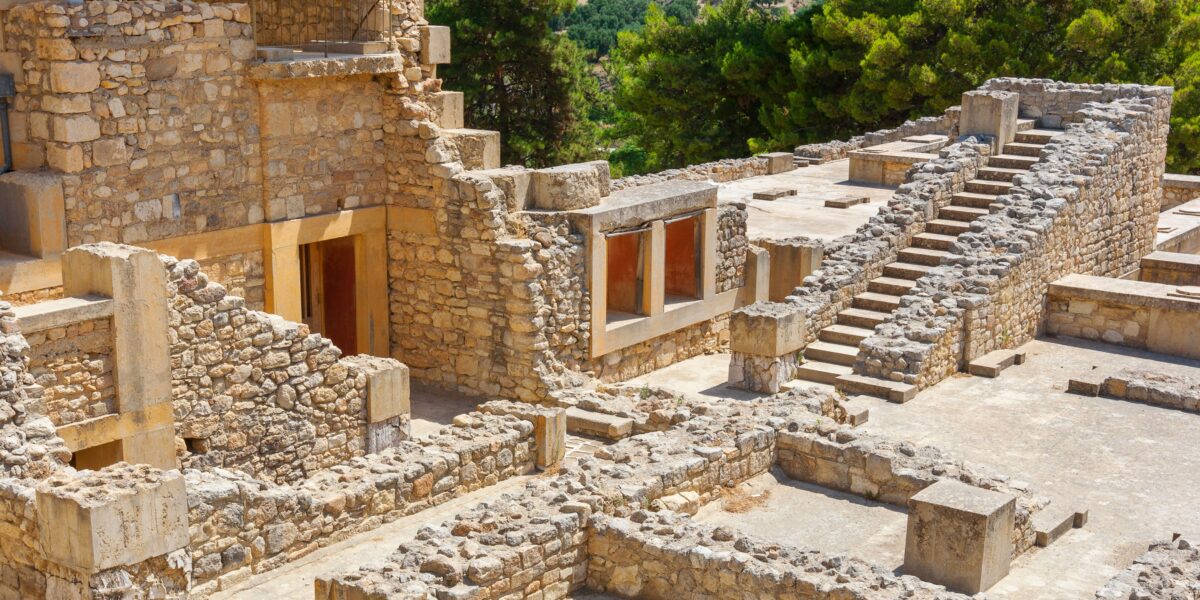
There’s a particular kind of light on Crete, bright, salty, and sharp enough to make mountains look closer than they are. It’s easy to understand why the ancient island of Crete became a place where stories grew legs. Here, caves turn into sacred birthplaces, palaces become labyrinths, and fragments of painted plaster still feel alive even after thousands of years.
But Crete isn’t only myth. It’s archaeology, too: storage rooms packed with jars, paved courtyards worn smooth by footsteps, and coastal towns that once watched ships glide in from Egypt, Anatolia, and the Greek mainland. To talk about ancient Crete history is to talk about a real society that shaped the wider Aegean, and also to admit that, on this island, history and legend have always shared the same shoreline.
The Ancient Island Of Crete In Context
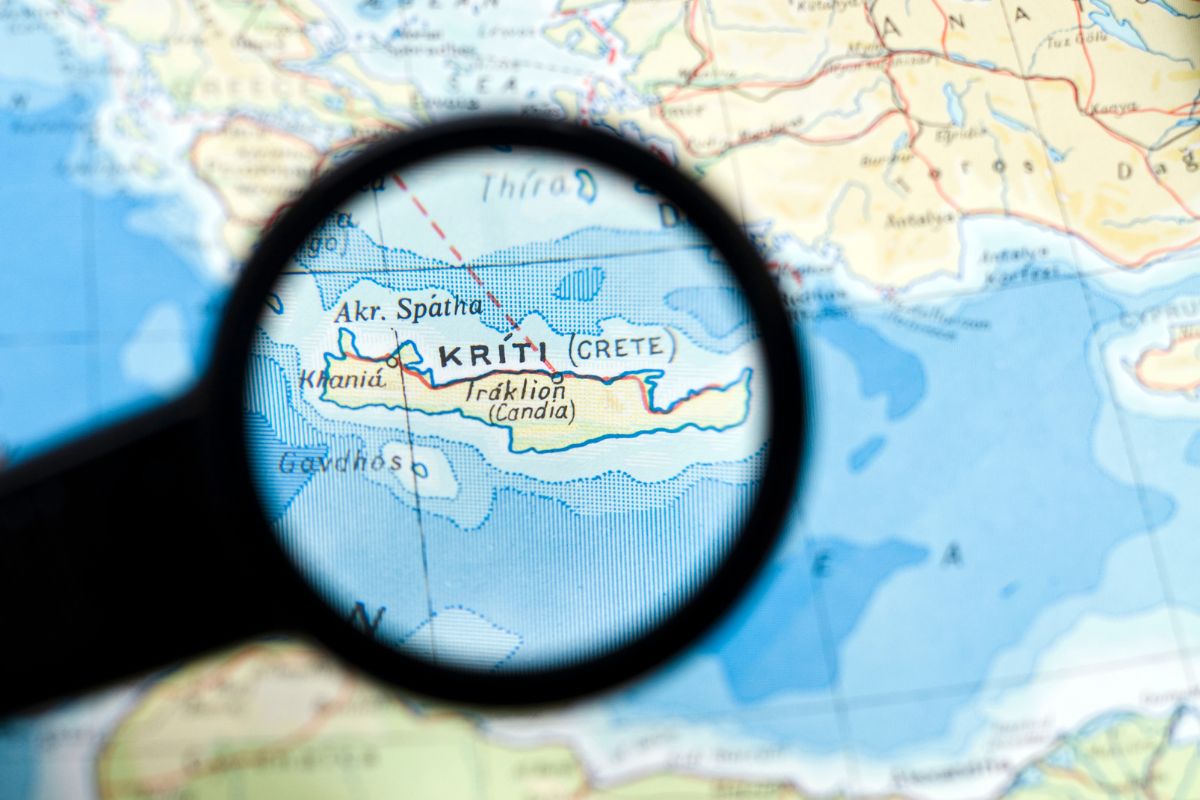
Crete sits at the southern edge of the Aegean like a long stone bridge. In ancient Greece Crete narratives, it often appears as both “inside” and “outside” the Greek world: connected through trade and language, yet distinct in culture and pace. That in-between position is part of the reason the island became so influential, and so intensely mythologized.
Crete’s Strategic Mediterranean Position
Look at a map and you’ll see the advantage immediately. Crete lies between mainland Greece and North Africa, with the Near East not far to the east. In antiquity, that meant ships could hop from port to port, carrying metals, oil, wine, textiles, and ideas. Crete’s location helped it become a cultural crossroads. People didn’t only exchange goods, they exchanged techniques, styles, stories, and religious symbols. This is one reason Crete Greece ancient history often reads like a web rather than a straight line: the island’s identity was shaped by constant contact.
Climate, Landscapes, And Early Settlement
Crete’s landscapes are dramatic: high mountain ranges, fertile plains, rugged gorges, and long coastlines. The climate, hot, dry summers and mild winters, favored olives, grapes, and grains, while the sea provided fish and routes for travel. These environmental advantages helped early communities thrive. Plenty of natural harbors made movement easier, and varied terrain encouraged different kinds of settlement, from coastal trading points to inland villages. Over time, those patterns laid the groundwork for the complex societies that would define ancient Crete history.
Origins Of Civilization On Ancient Crete
Before palaces and frescoes, there were farmers, herders, potters, and builders figuring out how to live well on a large island with strong winds, rich soil, and a sea that could be friend or threat. The beginnings of “old Crete” aren’t glamorous, but they’re essential. Civilization doesn’t arrive like a spotlight, it grows slowly, in practical choices repeated over generations.
Neolithic Roots And Early Agriculture
Crete’s earliest settlers formed small communities that relied on agriculture, animal husbandry, and local resources. Farming changed everything: it encouraged permanent villages, storage practices, and shared labor. Once people invest in fields, homes, and surplus food, social structures naturally become more layered. This is where the long arc of ancient Crete history really begins, not in a single dramatic moment, but in the steady development of stable communities.
Trade Networks And Cultural Exchange
Even early on, Crete was not isolated. The sea connected it to neighboring regions, and over time, exchanges with Egypt, Anatolia, and the Near East became increasingly important. You can feel this in the island’s evolving craft traditions: shapes, motifs, and techniques that look “Cretan,” yet still hint at wider Mediterranean conversations. This flow of contact shaped old Crete into something outward-looking. The island learned from others, and also became a place others watched closely.
The Rise Of The Minoans
When people say “ancient Crete,” they often mean the Minoans: the Bronze Age civilization centered on the island that many consider Europe’s first advanced society. They built complex palaces, developed administrative systems, produced extraordinary art, and projected influence across the Aegean. The word “Minoan” is modern, inspired by the later mythic figure King Minos. The people themselves likely had their own names for their communities and identities. Still, the label helps us talk about a period when Crete became a true hub of power.
Minoan Society And Daily Life
Minoan society appears sophisticated and vibrant. Archaeological evidence suggests a structured world with specialized labor: artisans, farmers, traders, administrators, and religious figures. Daily life included food production, weaving, pottery-making, and the constant rhythm of trade. One of the most discussed aspects of Minoan culture is the visibility of women in art. Frescoes often depict women in prominent, active roles, participating in ceremonies and appearing with striking confidence. What that means in social reality is still debated, but it’s part of why ancient Greece Crete discussions feel so different from the usual mainland focus.
Art, Craftsmanship, And Symbolism
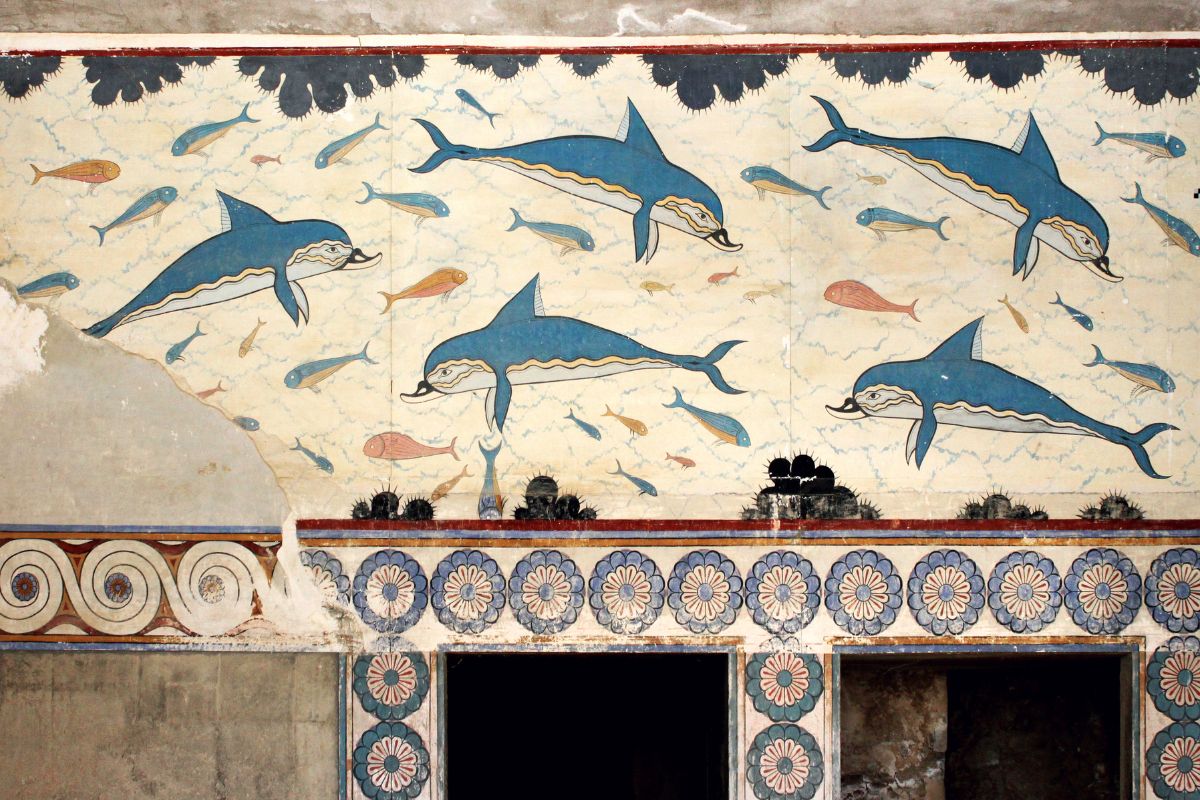
Minoan art is instantly recognizable: fluid motion, bold color, and a deep love of nature. Frescoes show dolphins, lilies, bulls, and people in dynamic scenes that still feel modern in spirit. Pottery ranges from functional to playful, and jewelry reflects both skill and access to valuable materials. Symbolism matters here. Bulls, double axes, horns, snakes, and spirals appear repeatedly, hinting at beliefs and rituals that were central to identity. These motifs aren’t just decoration, they’re part of how Crete Greece ancient history becomes readable through objects.
Writing Systems: Linear A And Linear B
The Minoans used writing, which is a big clue to administrative complexity. Linear A is still undeciphered, meaning we can’t fully “hear” the Minoans in their own words. Linear B, however, is an early form of Greek and is associated with later Mycenaean administration on Crete. Even without full translation, the presence of scripts shows a society managing goods, people, and resources at scale, another reason ancient Crete history is so central to the story of early Mediterranean civilization.
Palatial Centers Of Ancient Crete
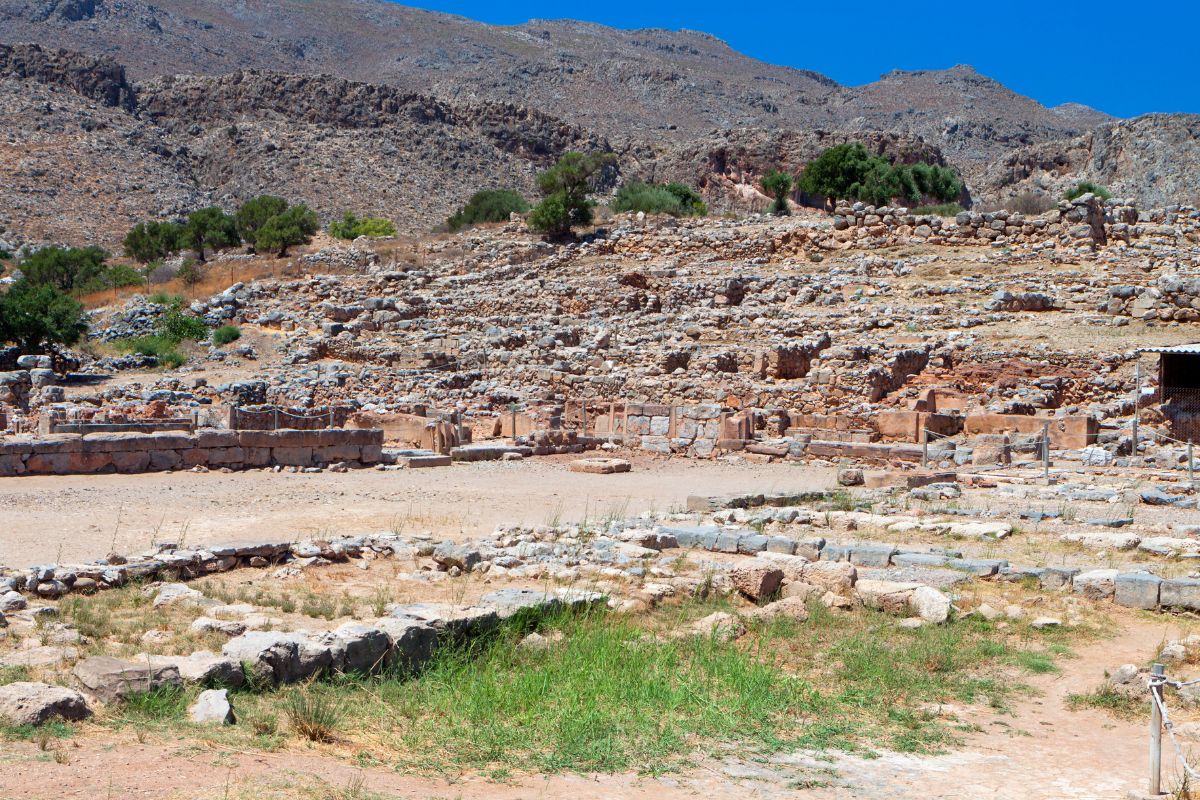
Minoan palaces were not just royal residences. They were political, economic, and religious centers, places where storage, craftsmanship, ritual, and administration intersected. If you want to understand how the Minoans organized their world, you look at the palaces.
Knossos Palace Of Legends
Knossos is the most famous palatial center, and it’s easy to see why. It’s large, complex, and layered with centuries of rebuilding. Its very layout, with corridors, rooms, courtyards, and storerooms, feels like it could inspire the idea of a labyrinth. In myth, Knossos becomes tied to King Minos, the Minotaur, and Theseus. In history, it stands as a key site for understanding ancient Crete history at its height: storage systems, administrative spaces, and artistic remains that suggest both wealth and organization.
Phaistos, Malia, And Zakros
Knossos wasn’t alone. Phaistos, Malia, and Zakros each show distinctive features and regional character. Together, they suggest a network of powerful centers rather than a single isolated capital. These sites help broaden the story beyond one “headline” palace. They show that the ancient island of Crete supported multiple hubs of power, each tied into trade and local resources.
Infrastructure And Urban Planning
One of the most impressive aspects of Minoan Crete is infrastructure. Palaces included drainage and water-management systems, paved courtyards, storage magazines, and workshops. Roads connected settlements, and planning suggests a society thinking carefully about movement, supply, and risk. This practical intelligence is part of what makes ancient Crete history so compelling: it wasn’t only about beauty and myth, but also about engineering and long-term planning.
Mythology Rooted In Ancient Crete
Crete’s myths don’t feel randomly placed. They’re anchored in landscape: caves, mountains, coastlines, and palatial ruins. Whether the stories grew from older memories, ritual traditions, or later reinterpretations, they are deeply tied to place, which is why they’ve lasted.
The Birthplace Of Zeus
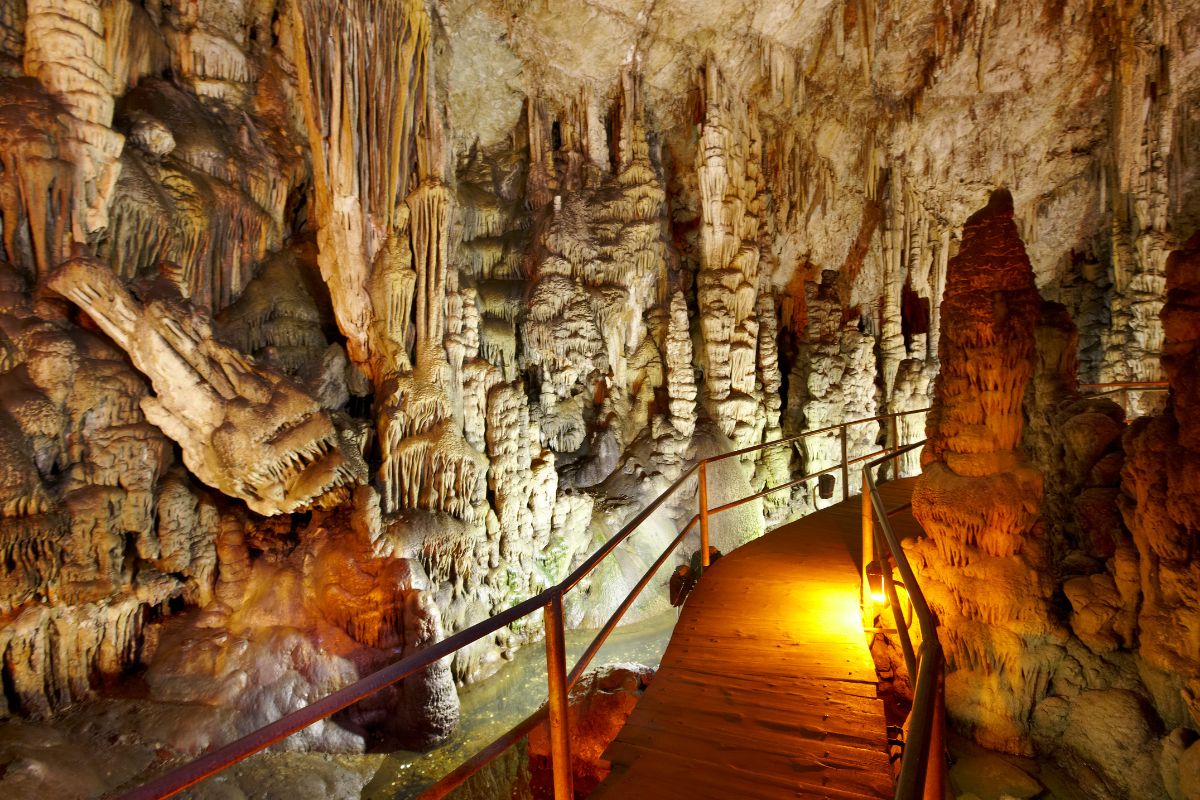
Crete is famously connected to the birth of Zeus. Two major cave traditions, Dikteon and Ida, compete (or coexist) as sacred sites where the infant god was hidden from his father. These myths reflect a common pattern: landscapes become identity. On the ancient island of Crete, caves were not just physical shelters, they were portals to the divine, places where the world felt close to something older and bigger than human life.
Europa And The Bull
Europa’s story, abducted by Zeus in the form of a bull and carried across the sea, ties Crete to themes of power, transformation, and royal lineage. In myth, her arrival leads to the founding of a Cretan royal line, linking the island to broader Greek storytelling. It’s also a myth that makes sense in a maritime culture. On Crete, the sea is never background; it’s an active character.
Talos: The Bronze Guardian
Talos, the bronze guardian who protects Crete, is one of the island’s most striking mythic figures. He circles the island, defending it from threats, a story that echoes Crete’s strategic importance and its sense of guarded identity. Even if you treat Talos as pure legend, the myth still reveals something real: the island’s long-standing awareness of both opportunity and vulnerability, a theme that runs through Crete Greece ancient history.
The Minotaur And The Labyrinth
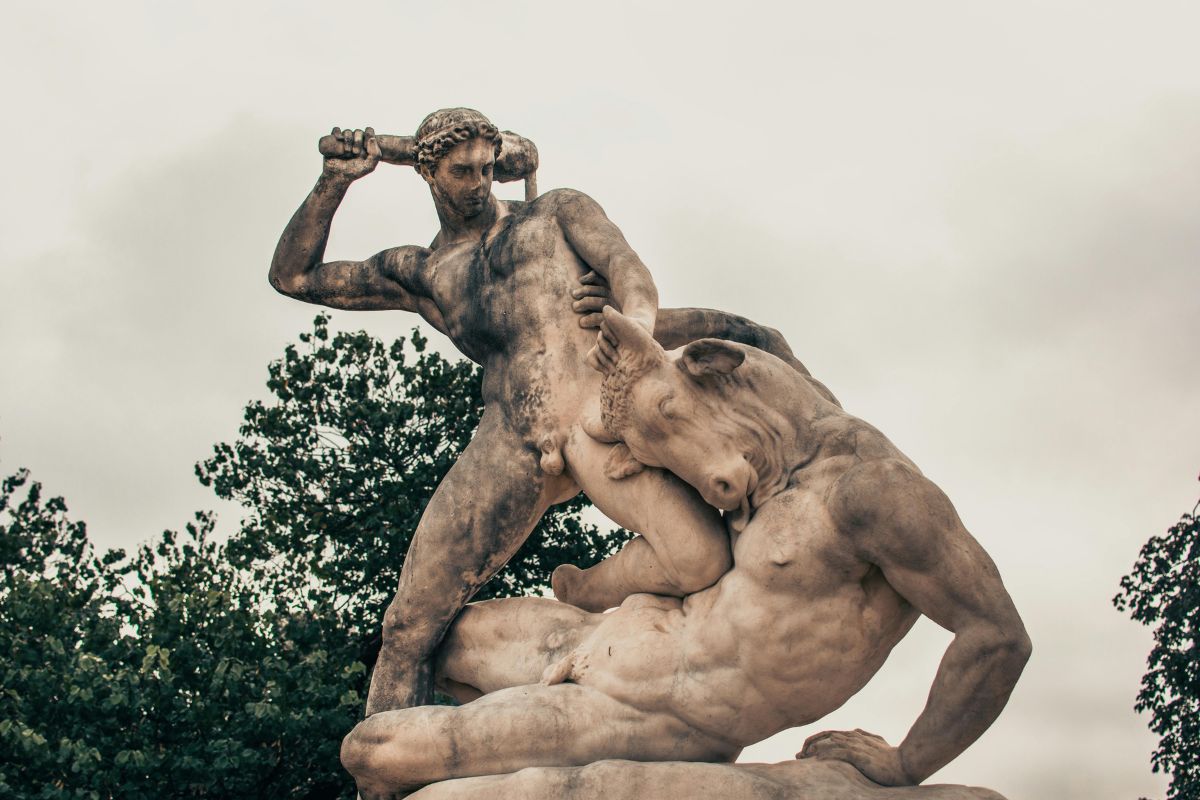
The Minotaur is arguably the myth most associated with ancient Crete worldwide. A half-bull creature hidden in a labyrinth, fed with sacrifices, and ultimately confronted by Theseus, this story is dark, symbolic, and unforgettable. It’s tempting to map it directly onto archaeology, but myths rarely line up neatly with facts. Still, the palace complexity at Knossos, the prominence of bull imagery in Minoan culture, and the island’s reputation for power all help explain why this myth found fertile ground here.
Daedalus And Icarus
Daedalus, the master inventor, and Icarus, the son who flies too close to the sun, bring themes of innovation, risk, and consequence. On Crete, invention and danger sit side-by-side: a brilliant creation can also become a trap, and escape can turn into tragedy. It’s one of those myths that feels timeless, which is why it remains part of the global imagination of old Crete.
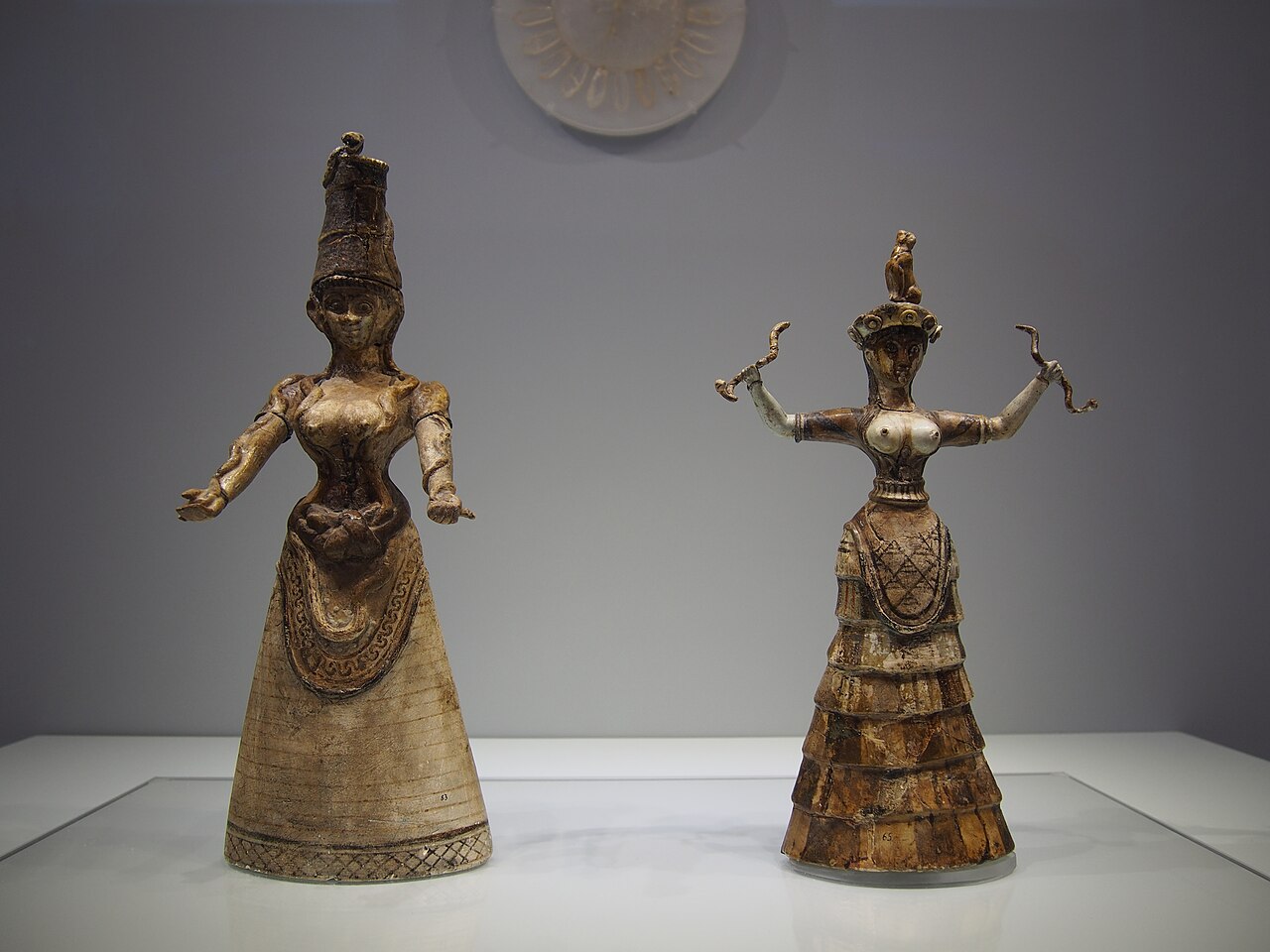
Two Minoan “Snake Goddess” figurines — photo by C messier, via Wikimedia Commons, licensed under CC BY-SA 4.0.
Religion And Ritual In Ancient Crete
Religion on Crete wasn’t confined to one grand temple tradition. It was dispersed across landscapes, caves, peaks, shrines, and palatial spaces. Symbols and rituals appear woven into daily life, suggesting that belief was not separate from society but embedded in it.
Goddess Worship And Sacred Animals
Many interpretations of Minoan religion emphasize goddess figures and fertility symbolism. Snake imagery, for example, appears in ways that suggest protection, renewal, or sacred power. Bulls also dominate, appearing in art and ceremonial contexts. Sacred animals and ritual symbols weren’t just “icons.” They were part of how people made meaning, and they shaped the atmosphere of ancient Crete history as much as politics or trade.
Caves, Shrines, And Peak Sanctuaries
Crete’s geography made it easy for spiritual practice to live in nature. Caves could become sacred spaces, peaks could host sanctuaries, and small shrines could serve local communities. These sites remind us that the ancient island of Crete was experienced not only through cities and palaces, but also through wild spaces. This is one reason Crete’s myths feel believable: when your religious life is tied to caves and mountaintops, stories about gods hidden in caves or born among mountains don’t feel abstract, they feel local.
Funerary Rites And Afterlife Beliefs
Burial customs offer another window into belief. Tomb types, grave goods, and the treatment of the dead vary across time and region, suggesting changing ideas about status and the afterlife. Even without written theology, funerary practices tell us that spirituality mattered deeply, and that the people of ancient Crete maintained relationships with ancestors and memory in deliberate ways.
Economy And Maritime Power
Crete’s prosperity wasn’t accidental. It came from a strong agricultural base and an outward-looking maritime culture. Trade fed wealth, and wealth funded art, infrastructure, and influence.
Agricultural Abundance And Exports
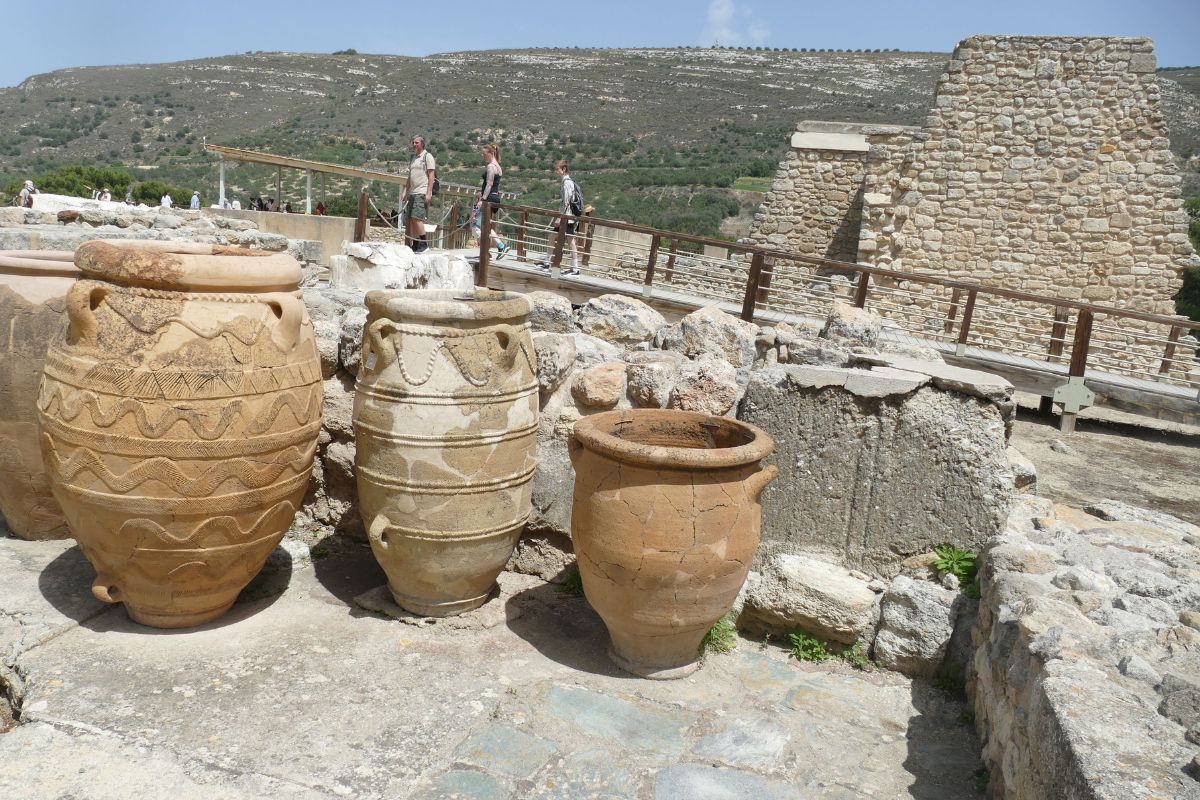
Crete’s climate supported staples that were valuable across the Mediterranean: olive oil, wine, grains, and likely textiles. Surplus meant storage, and storage meant administration. This is where economy becomes visible in archaeology, through large jars, storerooms, and systems for tracking resources. These goods also helped define ancient Crete history in practical terms. Myth is memorable, but surplus is what keeps a society powerful.
Seafaring And Thalassocracy
Crete is often described as a thalassocracy, a sea power. Whether that dominance was absolute or more nuanced, it’s clear that the island had strong maritime reach. Ships connected Crete to the Cyclades, mainland Greece, and far beyond. Sea routes weren’t just trade lines; they were cultural arteries, shaping what ancient Greece Crete looked like in real life.
Contact With Other Civilizations
One of the most fascinating aspects of Crete Greece ancient history is how connected it was. The island absorbed influences and also projected its own. You can see this in art styles, technologies, and the spread of motifs.
Influence From Egypt And The Near East
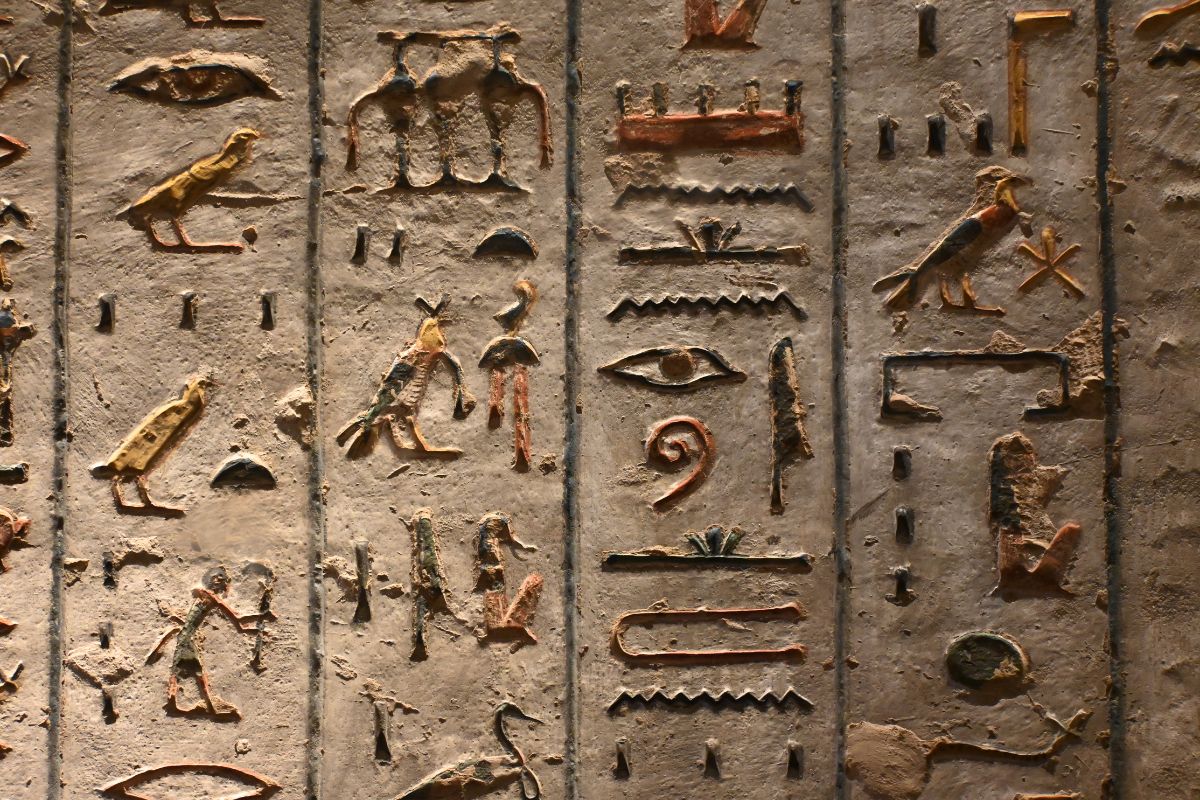
Contact with Egypt and the Near East likely influenced artistic conventions, luxury goods, and certain technologies. Trade brings not just objects, but admiration and imitation, new ways of building, decorating, organizing. At the same time, Crete didn’t simply copy. It adapted ideas into a distinctly Cretan style, which is why Minoan art feels unique even when you notice its wider Mediterranean echoes.
Relations With The Cyclades And Mainland Greece
Crete’s relationship with the Cyclades and mainland Greece was dynamic: shared traditions, mutual influence, and periods of tension or domination. Over time, connections intensified, shaping language, identity, and politics. These relationships matter because they place Crete firmly within the broader story of the Aegean, while still allowing it to be its own world.
The Decline Of Minoan Civilization
Civilizations rarely collapse for one single reason. They weaken, adapt, fracture, recover, and change, often over long stretches of time. The decline of Minoan dominance is best understood as a sequence of pressures rather than a neat “end date.”
Natural Disasters And The Thera Eruption
Earthquakes were common in the region, and their effects on palaces and settlements could be significant. The eruption of Thera (Santorini) is another major factor often discussed, especially because of its potential for ash fallout and tsunamis. How direct the eruption’s impact was on Crete, and how quickly it changed society, remains debated. Still, when people talk about the turning point in ancient Crete history, natural disasters are always part of the conversation.
Mycenaean Conquest And Cultural Shift
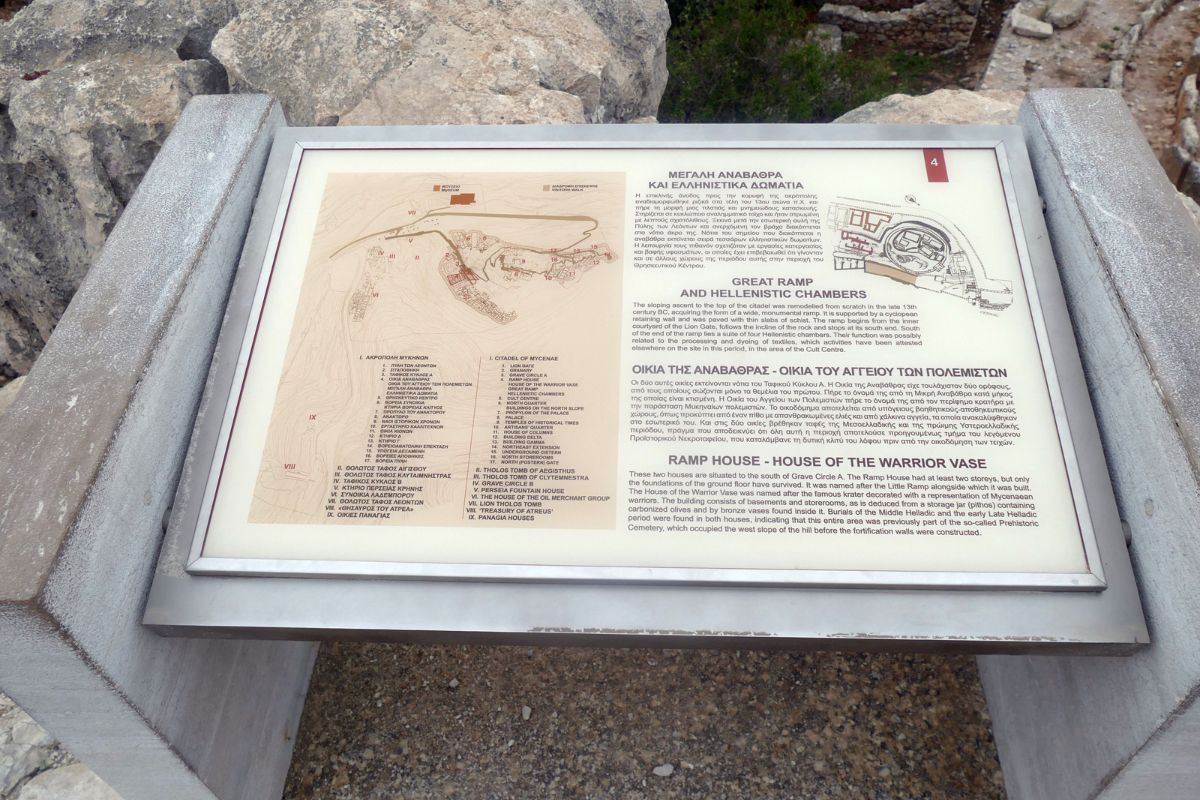
Over time, Mycenaean Greeks from the mainland gained influence and control. This shift is visible through Linear B and changes in administration and material culture. Rather than erasing Crete, the Mycenaean period reshaped it. This is why ancient Greece Crete narratives often feel layered: Minoan foundations remain, but they’re reframed by new power structures and new language.
Conclusion
Ancient Crete has a rare ability to feel both real and legendary at the same time. It was a place of practical brilliance, storage systems, trade routes, writing, and infrastructure, and also a place where caves became sacred, palaces became labyrinths, and stories took root so deeply they still travel the world. To explore ancient Crete is to follow two threads at once: the archaeological record and the mythic imagination. And maybe that’s the island’s true legacy. Crete didn’t just build a civilization; it built a mood, one that has shaped how we picture the ancient Mediterranean ever since. If you ever find yourself standing at a windswept overlook or at the mouth of a Cretan cave, it becomes easier to understand why. On this island, the past doesn’t feel distant. It feels like it’s still in the air.
Your «Crete Myth» Journey Begins Now
For those eager to step into the world of Cretan myths and legends, there’s no better way to truly immerse oneself than by experiencing the island firsthand. However, by journeying through its historic sites, echoing with whispers of ancient tales, and walking its paths tread by heroes and Gods, Crete’s myths become tangible.
Furthermore, with Elissos Travelling Philosophy, you have the opportunity to tailor-make your experience. Dive deep into the myths that resonate with you, guided by experts who live and breathe these tales. In conclusion, as you stand on the shores of Crete, with the wind carrying whispers of age-old legends, you won’t just hear the myths, you’ll feel them come alive around you.
Finally, plan your mythical journey with Elissos Travelling Philosophy. Customize your experience or reach out to one of our expert travel designers at operation@elissos.com and embark on a trip of a lifetime.