
Exploring Minoan and Mycenaean Civilizations: An Overview

The Minoan and Mycenaean civilizations shaped the foundations of ancient Greece through trade, culture, and early power.
Long before Athens and Sparta were known, the Minoan and Mycenaean civilizations helped start ancient Greece. The Minoans lived on the island of Crete. They made their way with sea trade. At the same time, the Mycenaeans built a strong warrior life on the Greek mainland. These two Bronze Age people were not the same, but they had trade and other ties between them. By knowing more about them, we can see how Greek culture came to be.
Origins and Historical Background
The story of early Greece starts with the Minoan and Mycenaean civilizations. The Minoans set up the first big group of people in that place. They lived during the Bronze Age, and their way of life grew into some different times over the years. For a long time, people did not remember the Minoans. In the early 20th century, some archaeologists, like Sir Arthur Evans, started to dig at places on Crete. They found the large remains of where the Minoans used to live, discoveries that continue to shape what we know about the Minoan civilization in Crete.
The Mycenaeans came to the Greek mainland after the Minoans. They learned a lot from the Minoan culture that was already there. What we know about these two civilizations is mostly based on what archaeologists have found. In the next sections, you will read about how each of these early civilizations began and grew.
Early Minoan Civilization
The early Minoan civilization started on the island of Crete around 2000 BCE. Digging by scientists shows they were not at war often. They liked trading with other places more than fighting. They built trade routes that reached far across the Mediterranean. Their goods got all the way to Egypt.
This focus on trade made them very rich. People in their group worked together in the way they set things up. Big palace centers stood in the middle of their cities. These buildings were used for jobs and religious events. In their towns, there were no big strong walls for defense. This shows the people did not feel like they were always under threat or attack.
Minoan religious practices were a big part of the daily life in their culture. The art and things they made often show female gods. Their daily life also included food traditions that inspired what we now call Minoan cuisine. The Snake Goddess stands out as one that many people know today. This shows that women were an important part of their religious life. Their special ways and calm ways shaped who they were early on as a people.
Early Mycenaean Civilization
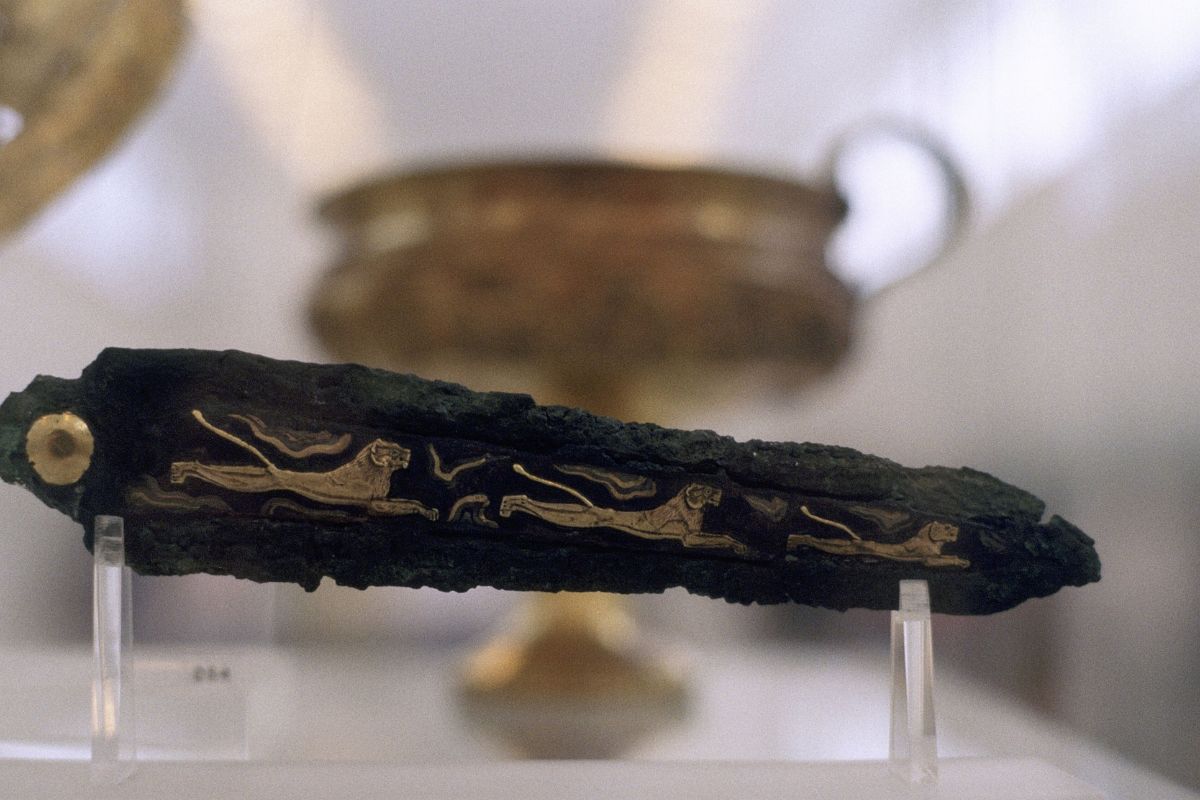
The Mycenaean civilization began to grow on the Greek mainland around 1600 BCE. This group was different from the Minoans. The Mycenaeans were known as a warrior society from the very beginning. Many archaeological finds from that time, like daggers with hunt scenes on them, show that people there liked military power and taking over new lands.
The Mycenaeans learned a lot from the Minoan people living nearby. They took ideas from Minoan art, the way they built things, and their religious beliefs. You can see this in things found in early Mycenaean graves. Many of these items were made in the Minoan way and showed signs of their skill and style.
One of the most important changes they made was setting up a way to write things down. They took the old Minoan way of writing and made it into something called Linear B. Today, people see Linear B as an early kind of Greek. You can find this writing on clay tablets. It helps us see what their language was like. It also shows how they managed things when their power started to grow in the Bronze Age.
Locations and Major Settlements
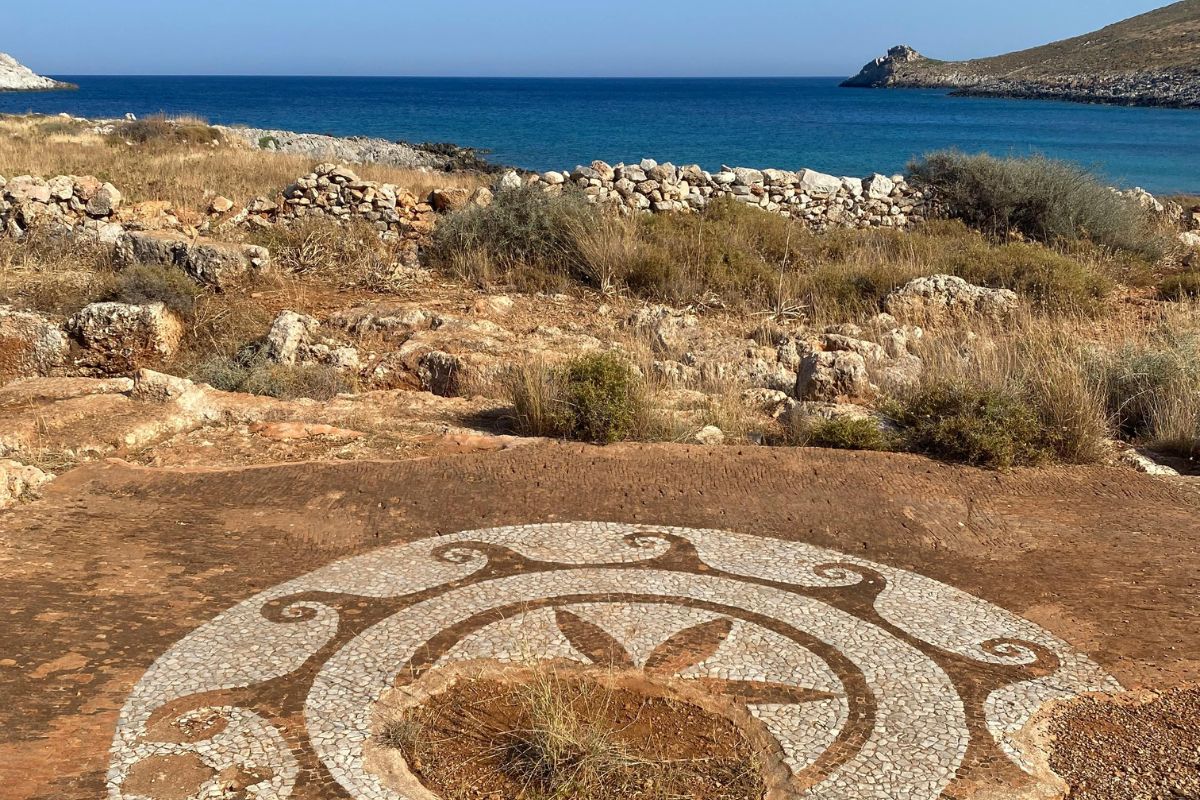
Geography had a big part in how these two civilizations turned out. The Minoan and Mycenaean civilizations were shaped by where they lived. The Minoans lived on the island of Crete, right in the Aegean Sea. The place where they lived helped them be good at sailing and trading. This let them meet and work with people from all over the Mediterranean.
The Mycenaeans grew strong on the Greek mainland. They built their towns in smart places on the Peloponnese peninsula where it was easier to protect what they had. Because of where they lived, you will see that their buildings, how their people lived, and what they focused on in war are not the same as others. You can notice all this if you look at their big towns.
Minoan Centers in Crete
The center of the Minoan civilization was its big palace buildings on the island of Crete. These places were more than royal homes. They were also used for government, religion, and trade. The records found by diggers show that the buildings were large and full of rooms. Their layout looked like a maze.
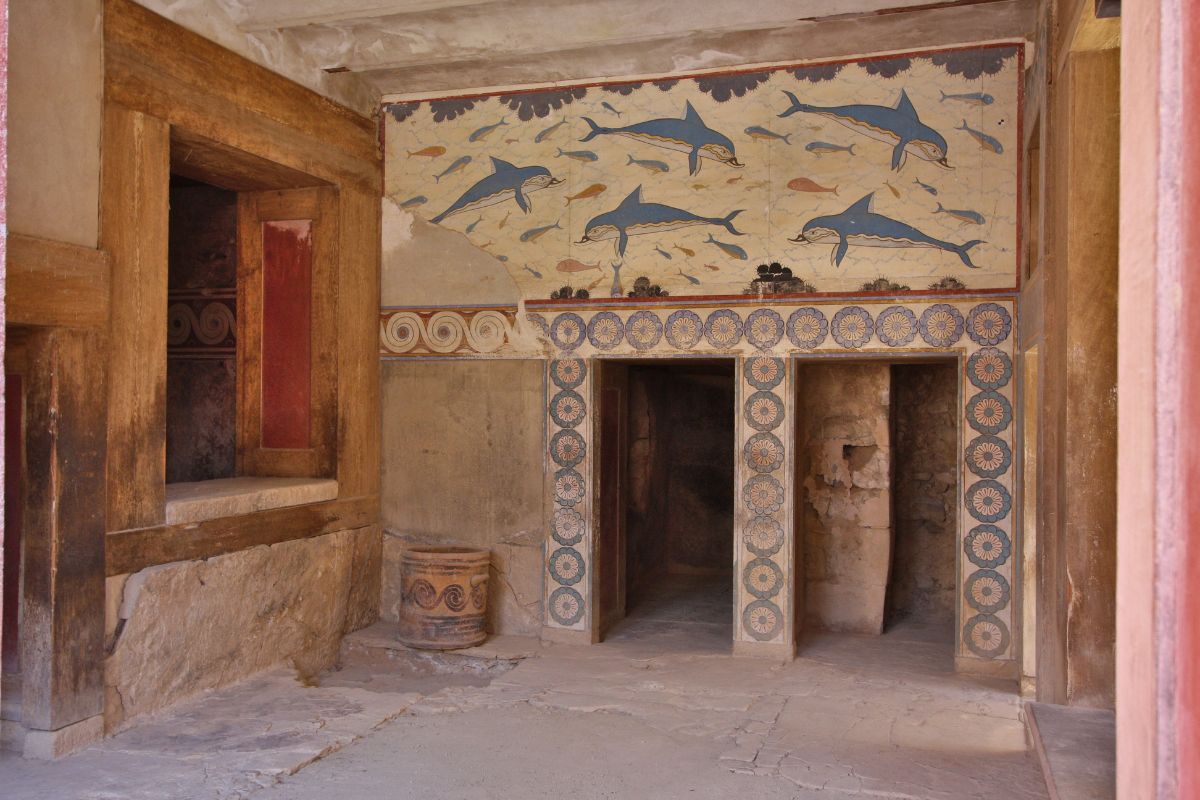
The most well-known of these is the palace at Knossos. It got its name from the famous King Minos and is still a highlight for anyone interested in a Knossos tour. But there are also other important centers found all over the island. They show that there were many groups of people living close to each other. These palaces have bright wall paintings. The paintings show things from nature and from people’s religious lives.
Key Minoan palace sites include:
- Knossos
- Phaistos
- Malia
- Zakros
These centers were not as well defended as those on the mainland. It looks like the Minoans used their navy to keep safe instead of having strong walls.
Mycenaean Strongholds on Mainland Greece
Mycenaean civilization was known for its strong, guarded centers found in mainland Greece. These important places stood on high, rocky hills and looked out over the land around them. This shows that people at that time were ready for war. One of the best things to see in these Mycenaean forts is their thick and huge walls.
These walls were so big that Greeks in the years after thought the Cyclopes made them. Cyclopes were one-eyed giants from myths. Greeks named them “Cyclopean walls.” Things found by archaeologists in these strongholds show the places were used for both power and trade. They had palaces, buildings for the government, and places where people worked.
Major Mycenaean strongholds included:
- Mycenae
- Tiryns
- Pylos
- Sparta
The clean art and buildings made by the Mycenaeans shows the great power they had when things were at their best. These sites help us see just how strong they were at the time.
Society and Social Structure
The Minoans and Mycenaeans built their societies in different ways. The Minoans, from what we see in their art, seemed to give women important roles. Their main god was a goddess known as the Snake Goddess. The Minoans’ beliefs were at the heart of how they lived and worked together. The Mycenaeans had a warrior society with clear ranks. At the top was the king, called the wanax. This setup was not like what was found in Crete under King Minos. The next parts will look more at how these groups were not the same.
Roles of Women and Families
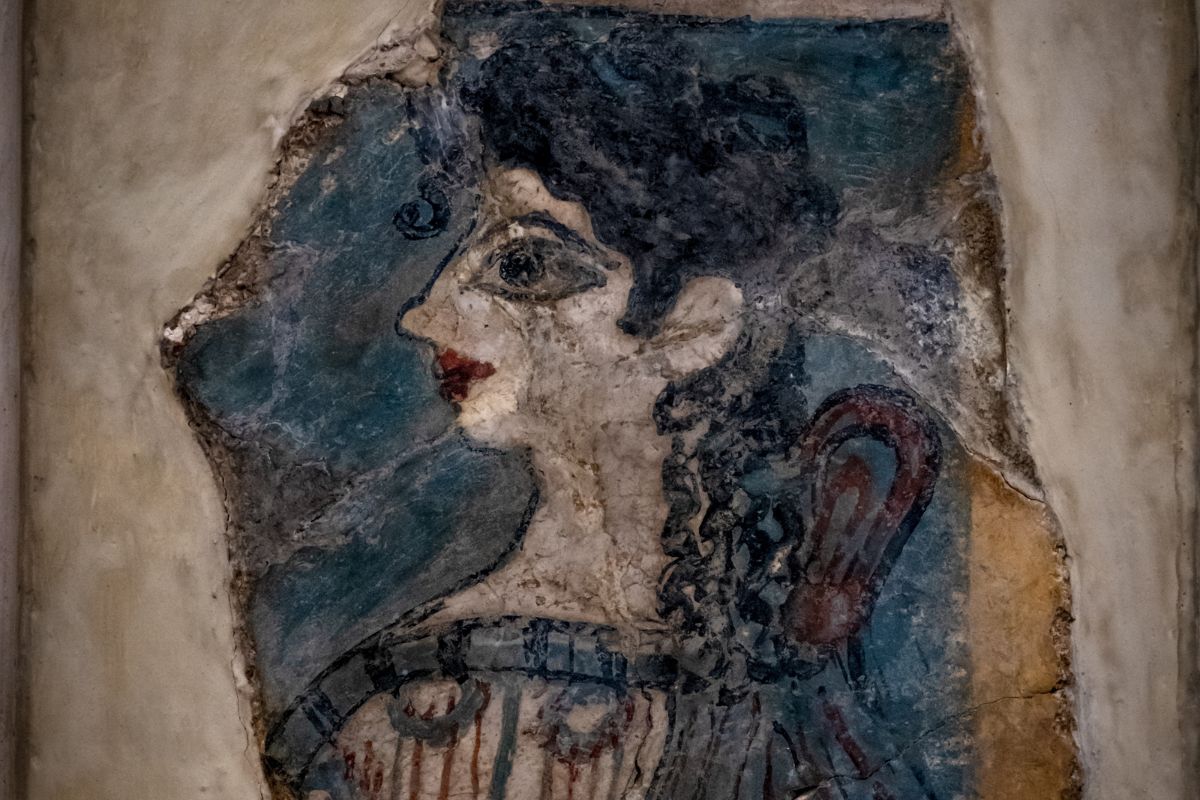
In the Minoan world, women had a clear and key role. This is clear from the many frescoes and figurines people have found over the years. Their art shows women at the front in religious events. These women also have the main spots in big social gatherings. A well-known female, the Snake Goddess, stood out in Minoan religion. This tells us that women were important in their group.
This is not the same as how the Mycenaeans lived. In their society, families were the base unit. Still, they put most of their attention on male rulers and fighters. Men were given the most important items in their graves. When you look at their art, you can see it is mostly about hunting and fighting.
The Mycenaeans used some Minoan religious symbols. But we do not know if they took the same views about women. Things found in old sites show the Minoan group was different. It looks like women had a higher place in the Minoan religion and in their daily lives.
Leadership and Governance
Mycenaean society was very strict and had a set way of running things. At the top was the ruler called a wanax or lord. This person had all the power in the government, army, and religion. The person just under the wanax was the lawagetas. The lawagetas would be like a governor or main army leader.
The Mycenaeans kept records of their work on clay tablets, which is why we know this detailed structure. We do not know as much about the Minoan government. Their writing cannot be read yet, so we look at things found by digging, like tools and buildings. Big palaces show that there may have been control by one leader, like the famous King Minos at Knossos.
The Minoan palaces worked as main places for managing things, sharing goods, and carrying out religious acts. But, people still do not know much about who led them or how they ran things every day. This is very different from the Mycenaean society, which is well-known and better recorded for us.
Minoan and Mycenaean Art and Architecture
The art and buildings made by the Minoans and Mycenaeans show how their cultures were not the same. The Minoans, during the Bronze Age, liked to use shapes from nature. You can see sea animals and plants in a lot of their art. The palaces on Minoan Crete were big and had open areas. The double axe was an important sign in their art.
Mycenaean art was shaped by the Minoans, but it is more stiff and serious. A lot of the time, it shows scenes of hunting, fighting, and parades. The buildings were known for their strong and secure citadels. Things found by archaeologists show how Mycenaean art and architecture stand out. These differences are talked about more in the sections below.
Minoan Palaces and Frescoes
The palaces of Minoan Crete are known for their one-of-a-kind design and nice decorations. The biggest palace is at Knossos. It had many rooms and was laid out like a maze, making it a popular trip for visitors who want to see Knossos from Chania. This might be where people got the idea for the story of the Labyrinth. These palaces were built with big open spaces in the middle. The rooms were placed around these centers, and the buildings had several floors joined by large stairs. They were more than just places to stay. They were at the heart of life in the community.
The walls of these palaces had bright paintings called frescoes. These pictures help us see what life was like for the Minoans. They show people doing religious acts, nature scenes, and sports like bull-leaping. While the Mycenaeans talked a lot about fighting, Minoan art wanted to show movement and everyday life. Things found by archaeologists at these palaces tell us the culture liked nice things and put a lot of care into making beautiful art.
You can see the differences in their art when you put them next to each other.
| Minoan Art | Mycenaean Art |
| Focuses on nature, sea life, and religious rituals. | Focuses on war, hunting, and formal processions. |
| Style is free-flowing, dynamic, and fills the space. | Style is more rigid, symmetrical, and geometric. |
| Common subjects are goddesses, women, and bulls. | Common subjects are male warriors, lions, and chariots. |
| Found in open, unfortified palaces. | Found in fortified citadels and warrior tombs. |
Mycenaean Fortresses and Tombs
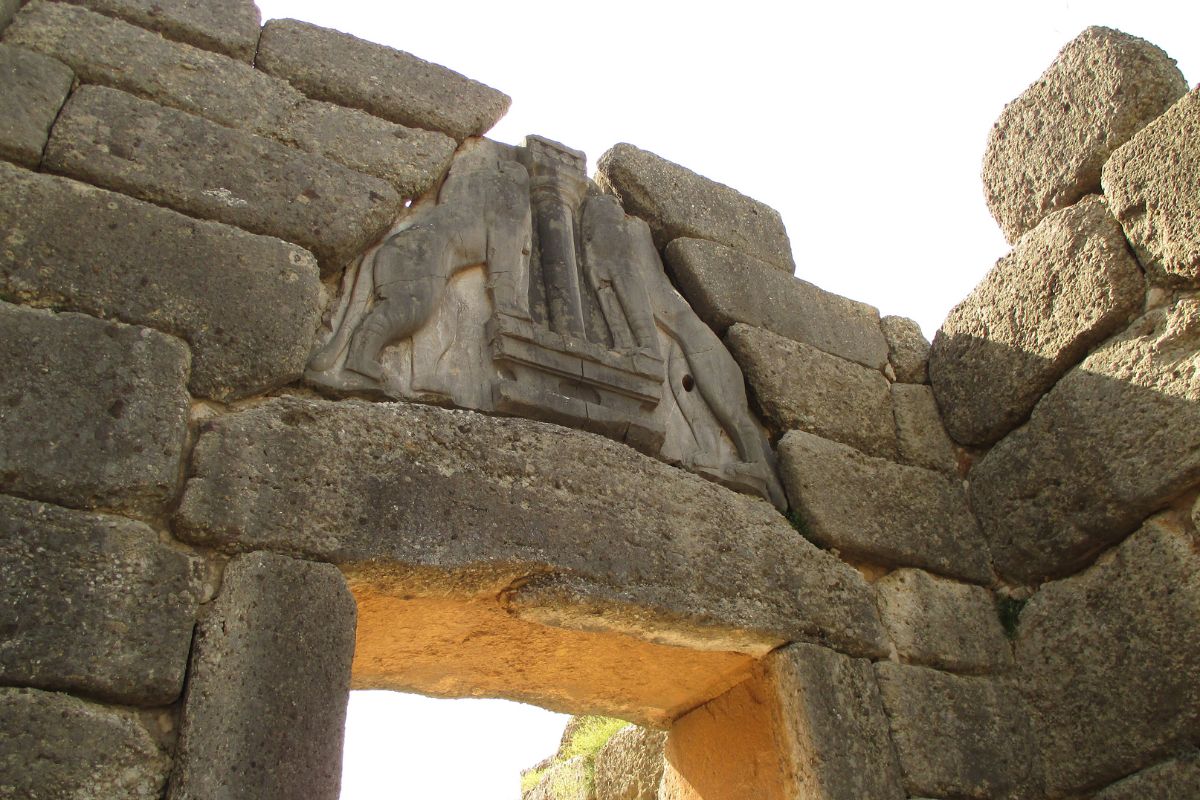
Mycenaean architecture was made to show power and keep people safe. Their cities had very strong walls, and the Lion Gate at Mycenae is one well-known sign of the skill they had in building things. Inside these walls, their palaces had a big rectangular hall known as a megaron. This area was used as the throne room and court.
Their way of showing respect for the dead was big and important. The top people in Mycenae were put to rest in very grand tombs. At first, the early rulers were buried in deep graves called shaft graves. These graves have given us many amazing items to see, such as gold death masks. In time, they began to build large stone tombs shaped like a beehive. These are called tholos tombs.
The best known of these is the Treasury of Atreus at Mycenae. This place shows great skill in building, with a huge vaulted ceiling. The size and way these forts and tombs were made shows the wealth and power of the Mycenaean rulers. Their art and culture were all about strength and power.
Language and Writing Systems
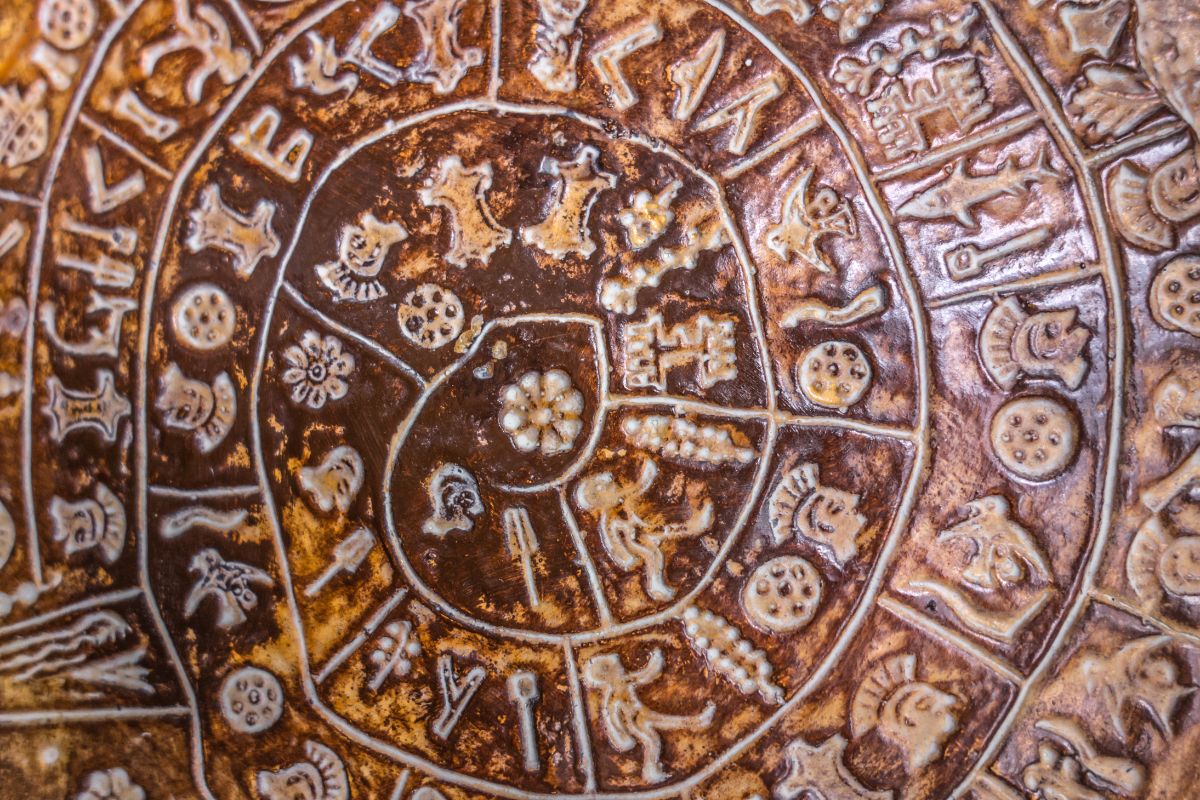
One big difference between these two Bronze Age cultures is the way they used writing. The Minoan and Mycenaean civilizations showed this clearly. The Minoans made something called Linear A. People found many samples of it. But no one can read it yet, so we do not know what it says or what language it is in. The Mycenaeans took the writing system from the Minoans and changed it to fit their own language. They made something called Linear B. People later figured out how to read this writing in the 1950s, and found out that it was an early kind of Greek. This find gave us very important details about life in Mycenaean times.
Linear A and the Minoans
Linear A is the way the Minoans wrote things down on Crete. A man named Sir Arthur Evans found it at Knossos. You can see it on clay tablets, seals, and pottery. The writing uses signs that seem to stand for parts of words. It is a lot like Linear B, which came after it.
Even after many tries, no one has been able to fully read Linear A. Because of this, there is still a lot we do not know about Minoan society, religion, and government. A lot of what we think comes from clues found in things dug up by archaeologists. What was this writing used for? From where the tablets were found, most experts say it was mainly used for keeping records in palace centers, both for running things and for matters tied to their beliefs.
The reason we cannot read this script is what makes the Minoans a big mystery from the old world. No one knows what language the people used then, and we do not know the stories they had, at least not yet. We will have to wait until someone can finally read it.
Linear B and the Mycenaeans
The Mycenaeans used a way of writing called Linear B. They changed it from the Minoan Linear A. This system was on many clay tablets at places such as Pylos and Mycenae. For many years, not much was known about it, just like the way before it. In 1952, a man named Michael Ventris, who was an architect, made a big step and figured out how to read it.
His work showed that Linear B was a much older kind of Greek. It made people see that the Greek language was written down hundreds of years earlier than they thought. This was important for how we know and talk about the Bronze Age. When they read the tablets, they found out that these were not long stories or histories. The tablets were really made to keep track of things, like records for work or jobs.
They have long lists of items, animals, workers, and things given to the gods. These are not fun stories to read, but they help us see how the palace worked in Mycenaean times. It shows us the group had different levels, and everything was very well run.
Fall of the Minoan and Mycenean Civilizations
The end of the Minoan and Mycenaean civilizations happened over time. They did not end for the same reasons. The Minoans started to fall around 1450 BCE, and people still talk about why it happened. A well-known idea is that a huge volcanic eruption happened on the island of Thera, which is now called Santorini. This eruption caused big waves and covered the area with ash. Some say the Mycenaeans took over, and others think there were problems inside their society. It is possible that more than one thing led to their society ending.
The Mycenaean civilization came to an end around 1200 BCE. This was part of a bigger problem called the Late Bronze Age Collapse. Archaeologists found a lot of damage across their important sites. For a long time, people thought this happened because the Dorians attacked. Now, many historians do not agree with that idea. The fall in the 13th century BCE likely happened for several reasons. It may be due to money problems, troubles in society, and changes in the environment. This time took Greece into what we now call the “Dark Age” yet it set the stage for future generations to experience Crete in new cultural ways. A Cambridge University Press publication says there was a change in both who people felt they were and how they traded during this time in the Mediterranean.
Conclusion
In conclusion, the Minoan and Mycenaean civilizations give us a good look into life, culture, and government in ancient times. They both made big changes in art, building styles, and language. These changes are still seen in history now. When we look at where the Minoan and Mycenaean civilizations started, how their societies worked, and why they ended, we learn more about how they helped shape Greek culture as time went on. If you want to know more about these amazing groups and why they still matter today, feel free to reach out for a free talk. We can explore this interesting topic together!
Frequently Asked Questions
What were the main differences between the Minoan and Mycenaean civilizations?
The main changes between the two were where they lived, how people acted, and the way they made art. The Minoan and Mycenaean civilizations showed this clearly. The Minoans lived on Crete. They were traders who liked quiet lives. Their art had lots of pictures of plants and animals. The Mycenaeans lived on the mainland. They fought often and built strong fortresses. Their art showed scenes of fighting and hunting. The way they wrote, called Linear B, was an early kind of Greek. The Minoans’ way of writing, Linear A, was not the same.
How did these civilizations influence later Greek culture?
They helped create the start of classical Greece. The Mycenaeans gave an old type of the Greek language to people who came after them. Their religion included gods, such as Zeus and Poseidon, and these names are found in their records. The stories and beliefs from the Minoans about places like the Labyrinth became part of what the classical and modern Greeks believe and tell in their stories.
What caused the decline of the Minoan and Mycenaean civilizations?
The Minoan decline around 1450 BCE was caused by more than one thing. A big volcanic eruption at Thera was one of them. Another reason was that people from outside might have come and attacked. The Mycenaean downfall happened in the 13th century BCE. This was during the wider Late Bronze Age collapse. It was because of several reasons. These include problems within, attacks by others, and money troubles.