
Minoan Civilization Crete: A Comprehensive Historical Overview
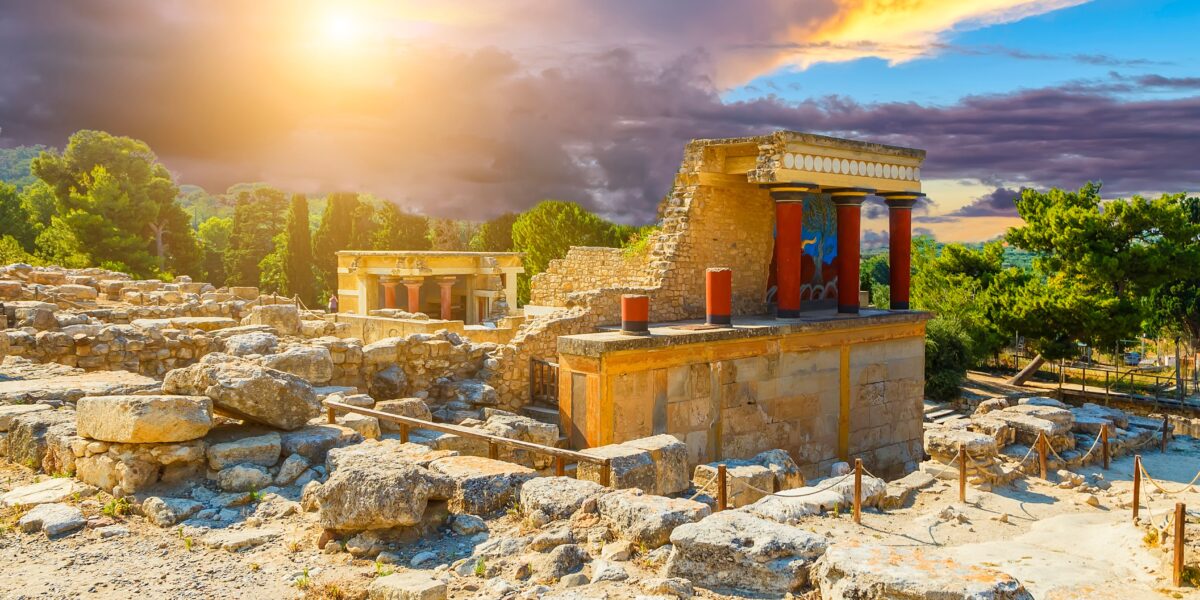
Minoan Civilization Crete is the foundation of Europe’s first advanced society, known for its grand palaces, vibrant art, and lasting influence on history.
Welcome to a look at the Minoan Civilization Crete, which was a special culture that grew strong in the Bronze Age on the old island of Crete. It was in the eastern Mediterranean. The Minoans made a strong society with big palaces and unique art. They had large trade networks, too. The story of this civilization shows us new ideas, great art, and some mystery. Let’s look into how this important European civilization started and see what lasting effect it had on the world.
The Origins and Rise of the Minoan Civilization Crete
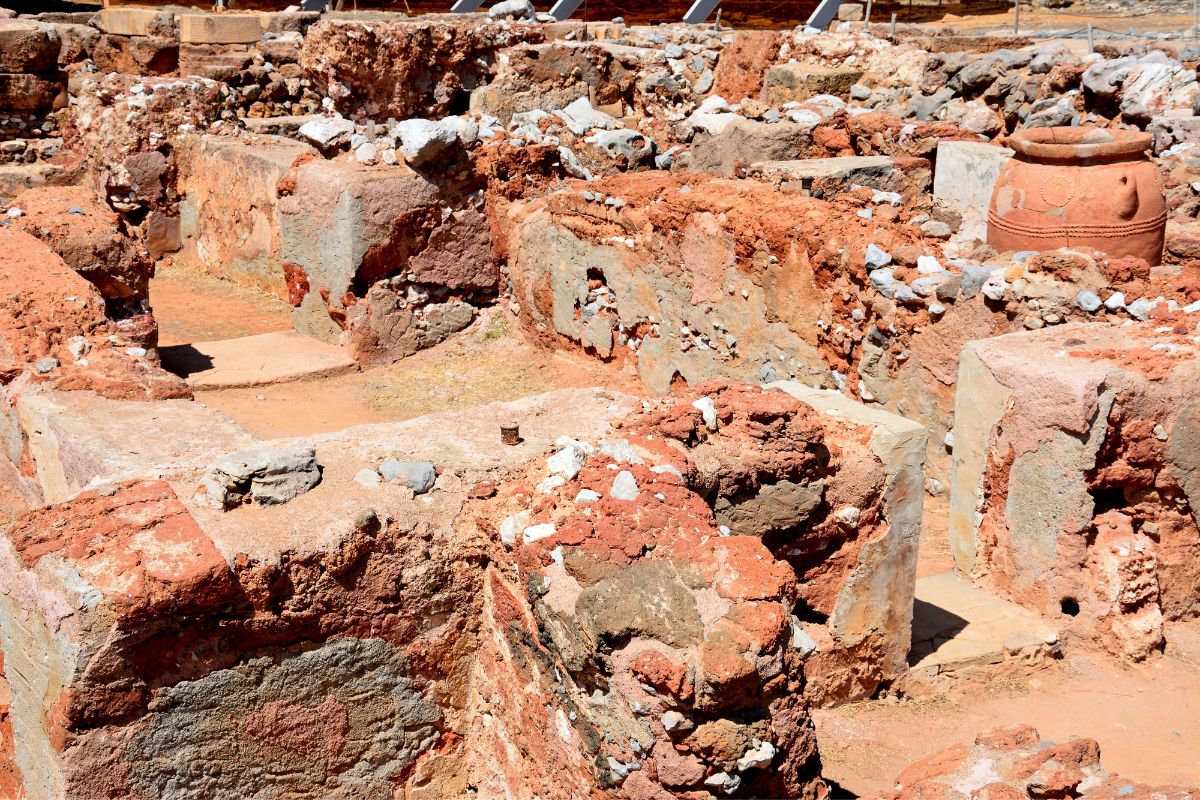
The story of the Minoan civilization starts well before the famous palaces came up. People first came to live on Crete about 7000 BCE. This was a long time ago. Archaeologists and scientists think the first Minoans were the children of the early people. These were farming families who came to the island to settle.
These groups grew slowly over thousands of years. This was the start of the Early Minoan period. When the Bronze Age began, their way of life started to change. This set the stage for a strong and creative culture that would soon be the main one in the Aegean. This early time was key for their growth in the years to come.
Early Settlements in Crete
The first signs of Minoan life showed up in small groups spread over ancient Crete. In the early Minoan years, people made homes close to the coast. This place gave them a good spot to reach the Aegean Sea. They could fish and start trading with others. A few important early places are Myrtos and Mochlos. At these locations, experts found proof that people lived together in these small groups.
These first places to live were not big cities like those that came after. They were smaller and focused on the community. The way people built houses at this time included round tholos tombs. These were used by whole families for many years. This shows that people were mostly equal in their group. There were no strong, main leaders yet.
The way people lived together and shared burial practices in the Early Bronze Age shows that their culture was getting bigger and more organized. Starting with farming, a strong sense of living together, and early trips by sea, the Minoans got ready for the big growth that would happen later.
Growth into a Bronze Age Power
The Minoans became a top Bronze Age power because they were good at trade and had a great spot for it. They made strong trade ties with big neighbors, including Egypt, Syria, and the people in Asia Minor. They would trade their goods, like timber, olive oil, and wine, to get things they needed, such as copper, tin, and gold.
This trade gave the Minoans more than just wealth. It also brought new tools and ideas. The Minoans learned advanced ways to work with metal. This helped them make strong bronze tools and weapons. They also picked up art ideas from other people. They mixed these ideas together to make their own culture and style.
This time of good economy helped people build bigger towns and the first palaces. As they got better at town planning, the towns were set up in a more organized way. These years of growth made the Minoans stand out in the Mediterranean. It was the start of their golden age.
Sir Arthur Evans’ Role in Defining and Dating the Minoan Civilization
Arthur Evans was a Welsh antiquarian who excavated the Palace of Knossos. He named the civilization “Minoan” from the mythical king of Knossos, Minos. Arthur Evans completed his analysis of the Minoan Civilization in 1935. In his studies, he shows chronologically the cultural development, prosperity, and decline of the Minoans. To clarify precisely, the dating of the Minoan Civilization is under constant review. Evans relied his chronology on the details of the ceramic typology. He, therefore, divided the Minoan civilization into 3 major periods. The Early Minoan, the Middle Minoan, and the Late Minoan with subperiods.
Arthur Evans named the civilization “Minoan” after King Minos from myth, who was believed to rule Crete and build a maze for the Minotaur. He found many things at the Palace of Knossos, especially different pottery styles. From these, he sorted Minoan history into Early, Middle, and Late periods. People still use this system today. His research gave us proof of this smart Bronze Age culture for the first time.
Key Historical Periods of Minoan Crete
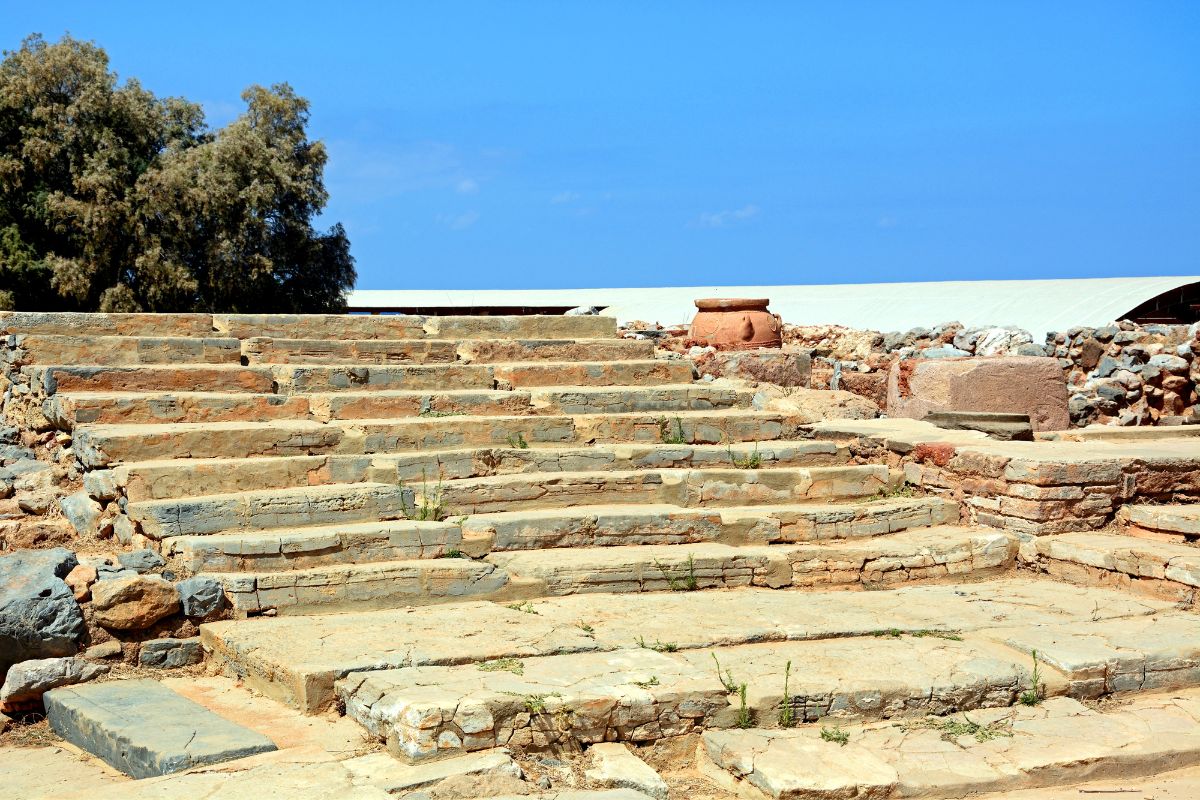
Historians study the Minoan civilization by looking at different periods in its history. These periods are mostly marked by changes in how people made pottery and built palaces. This helps people see how the Minoan civilization changed during the Bronze Age. The three main periods are Early Minoan, Middle Minoan, and Late Minoan.
Each period had big changes in art, buildings, and the way people lived at different Minoan places. If we look at these stages, we see that the Minoans started in small villages. As time went on, they grew into a large group of people with lots of power. Let’s see what made each of these past times special.
Early Minoan (c. 3000–2100 BCE)
The Early Minoan period was the start of this group in the Early Bronze Age. At this time, small farming villages began to appear all over Crete. The signs found by archaeologists show that there was trade with other Aegean islands and the Near East. The Minoans started to swap goods so they could get things like copper and tin.
People seemed to live in small groups back then. There was no sign of one single group that ruled everyone. People stayed in small settlements. The biggest things they built were large tombs that many could use. People from the same group or family would bury their dead together in these tombs for many years. This shows that their society was based on families, and there was not much division between people who were in charge and the rest.
This time was very important for the Minoans. They learned how to work with metal and made their first unique pottery. Also, they built up the sea skills that helped them become a strong sea power in the years to come. These things set the ground for the cultural and money growth that stood out in their other years.
Middle Minoan (c. 2100–1600 BCE)
During the Middle Minoan period, there was a big change in Minoan society. This was the time when the first great palace centers were made at places like Knossos and Phaistos. These huge buildings turned into the main places for their communities’ government, economy, and religious activities. This shows a move to a more central way to rule, maybe under kings.
This time, called the Protopalatial period, was when people in that area had more money and made new things. The Minoans grew their trade and set up places to live on other Aegean islands. They built better roads to connect big towns. People started to be in different social groups. There were nobles, commoners, and maybe slaves.
Art grew in the Middle Bronze Age. Potters started to use the wheel to make Kamares ware. This was pottery with smooth and flowing shapes that looked like patterns. The Minoans also carved seal stones. People used these for work and record keeping. The period came to a close when the first palaces were destroyed around 1700 BCE. Even after this, the Middle Bronze Age helped set the stage for the Minoan golden age.
Late Minoan (c. 1600–1100 BCE)
The Late Minoan period was the high point for the civilization. It was also when things started to go down for them. After natural disasters ruined the first group of palaces, people built them again. The new buildings were even bigger and better than before. During this time, called the Neopalatial era, Minoan culture was at its best. Places like Knossos, Phaistos, Malia, and Zakros had their greatest times. Trade was big, and the Minoan way of life spread to other places in the Aegean.
However, this time of good fortune did not go on forever. Around 1450 BCE, most of the palaces and homes were destroyed once again. People still talk about what caused this, but it was probably because of several things, including invasions and the huge eruption of the Thera volcano. This eruption may have made huge waves that broke the Minoan fleet, and the ash from the volcano could have made crops go bad.
After this time, the Mycenaean people from Greece came to be in charge on Crete. We know the Mycenaeans ruled Knossos because of clues found in Linear B tablets. As years went by, the Minoan way of life mixed into the new Greek culture. This brought the Late Bronze Age to an end. A great civilization finished during this period.
Major Centers and Geography
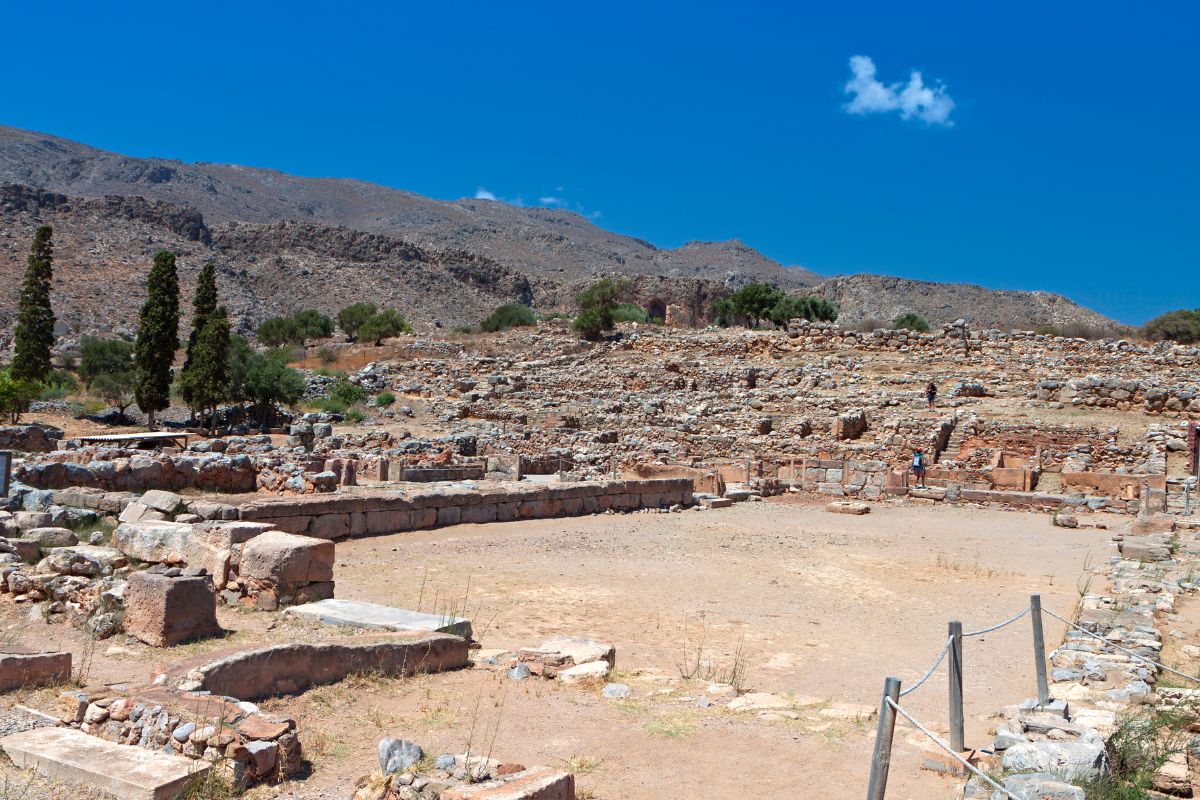
The land on the island of Crete was very important to the Minoans. The island sits where Europe, Asia, and Africa meet. This made it easy for people to trade with other places. There are mountains and flat, rich land on the island. This helped support many people living there. Big Minoan palaces, like the Palace of Knossos, were built in smart places around the island. Some are on the north coast, and others are in the south of Crete.
These palaces held the center of Minoan society. They were where people took care of government and religious tasks. The Minoans did not stay only on the main island. Their reach grew to other Aegean islands. On these islands, they set up colonies or trading spots to do business. Now, we will look at some key Minoan places on Crete.
The Palaces of Knossos, Phaistos, Malia and Zakros
At the beginning of the 2nd millennium BC, there were fundamental changes in Minoan society that profoundly influenced its cultures. The first palaces were erected around 2000-1900 BC. These palaces were Knossos, Phaistos, Malia, and Zakros. In fact, the design and construction of the first Minoan palaces share similarities with the Sumerian palaces in the region of Syria. For example, Ebla and Mari. Certainly, these monumental complexes reflect the existence in Crete of a strict social stratification and well-organized administrative structure.
Moreover, the findings from the palaces and tombs confirm the growing relations of the island with the East. Thereupon, the gradual integration of Crete in a complex network of economic and political relations with the wider region of the eastern Mediterranean is clear. The Minoan palaces were at the same time, huge religious centers. They played a leading role in the religious and spiritual development of the palace inhabitance and their visitors.
| Palace | Location | Key Feature |
| Knossos | North-central Crete | Largest palace; associated with King Minos and the Labyrinth. |
| Phaistos | South-central Crete | Overlooks the Messara Plain; site of the Phaistos Disc discovery. |
| Malia | North coast of Crete | Known for its large central court and extensive storage areas. |
| Zakros | East coast of Crete | Served as a key gateway for trade with the Near East; many artifacts found preserved in its treasury. |
Impact of Crete’s Location on Development
Crete sits in the middle of the eastern Mediterranean. This gave the Minoans a big advantage. The island is where three continents meet. That made it a key place for sea trade. The Minoans were able to watch over the sea lanes in the Aegean Sea. They could also make links with Egypt, the Near East, the Greek mainland, and other Aegean islands.
The Minoans were great at controlling the sea, and this helped them build an economy that depended on trade. They sent out local things like olive oil, wine, wood, and pottery. They brought in important things such as copper, tin, gold, and ivory. This trade system was very advanced in its time. It reached far away places and brought a lot of wealth back to Crete.
The island did well in the economy. Money from trade helped build big palaces. The cities grew, and there was change in city planning. The place was in a good spot, and the Minoan civilization was able to go far. If the island was somewhere else, it might not have reached this level.
Palatial Tours Designed by Elissos
As a starting point, we at Elissos believe that every traveler who wishes to explore the Minoan Civilization of Crete should begin with a visit to Knossos Palace. Joining a guided Knossos Tour or planning a visit to Knossos from Chania are excellent ways to explore this landmark. For this reason, we are proud to suggest our purely cultural and historic tour of the Knossos Palace and Heraklion Archaeology Museum. In this tour, we urge you, through your expert tour guide, to travel through time and explore this 5000-year-old civilization. Not only walk on the ancient soil around the Knossos Palace, but also learn about the ancient arts, practices, and rituals.
Our approach is primarily experiential. This is a Travel through time-space-myths-arts and ritual practices. Moreover, allow your tour guide to walk you through the recently renovated Archaeological Museum of Heraklion. There, witness up close the brilliant Minoan artifacts and better understand their importance. Finally, we are positive that this tour will end with you feeling blessed and eager to find out more about the Minoans!
Continue this wonderful Mind-Body-Spirit experience with our next South Crete Magic Tour. Visit the Palace of Phaistos, the second biggest Minoan Palace of Crete, resident of the mythical King Radamanthis, Mino’s brother. This palace visit is often paired with exploring Traditional Crete Villages or enjoying authentic Traditional Cretan Food nearby. In order to fully grasp the magnitude of the Palace, let your expert guide show you around the 8000sqm “prehistoric city”. The insights and the extensive knowledge you will gain will be immeasurable! Then, visit with us the equally important Minoan Villa of Agia Triada. After your lunch break, your tour continues with a final stop at the Roman Capital of Crete, the town of Gortyn. See the oldest Roman theater and last but not least the oldest codified law system of Europe!
Art and Architecture of the Minoans
The Minoans were talented artists and builders. Their creative work still stands out today. People remember the Minoans for their lively art style. A lot of their art shows nature, animals, and life in the sea. You can see this in the colorful paintings on their palace walls and in their decorated pottery. All of their art shows how much they liked and cared about the world around them.
Their buildings are also very impressive, especially when you look at how they made their palace design. These were not only built to be useful, but they also looked good, with things like light-wells, colonnades, and smart systems to deal with water. Now, let’s see some examples of Minoan art and architecture.
Palace Design and Layout
The design of Minoan palaces broke new ground at that time. These were not strong forts or castles. They were big, open places used for many things. The usual palace layout had a large, rectangular area in the center. This space was used for people to come together and hold religious events.
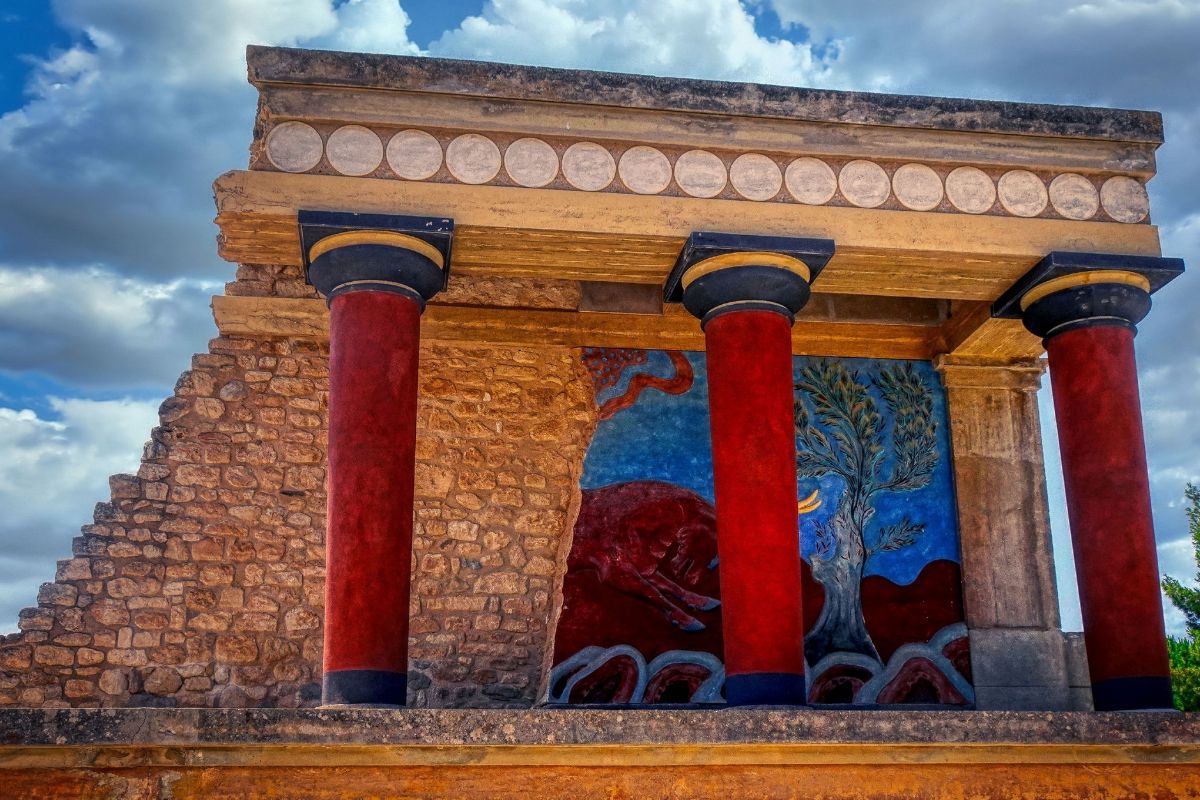
Around this court, there was a group of rooms, halls, and steps that made it feel like a maze. Some of these even went up several floors. The Palace of Knossos shows the best example of this kind of palace. It may have been the reason for the story of the Labyrinth. The Minoans used special building styles, like wooden columns that got slimmer at the bottom, painted red, with big round tops.
Their way of planning cities included some smart ideas. They put in light-wells to let light in and brighten up rooms inside buildings. They also had one of the first plumbing systems in the world that took water out and kept things clean. This shows that the people cared about making their public buildings good to be in, easy to use, and nice to look at.
Wall Paintings and Minoan Pottery Styles
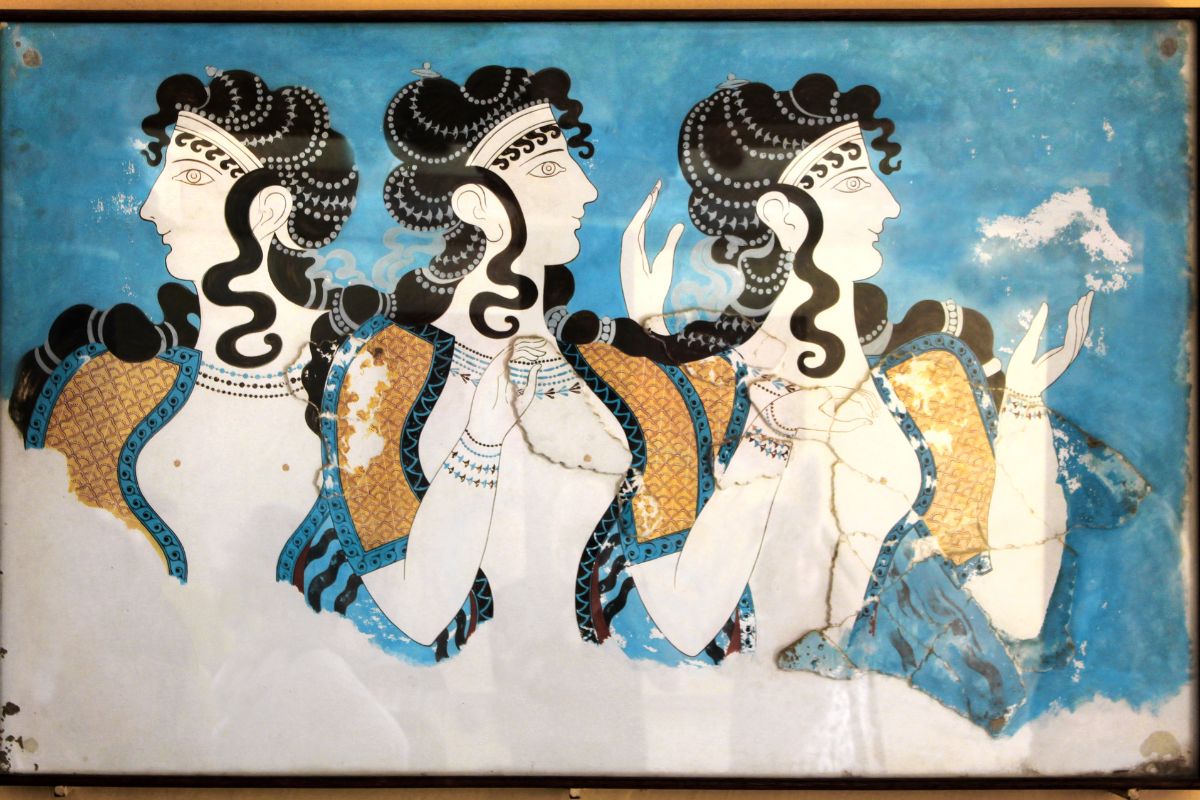
Minoan wall paintings are well-known examples of art from that time. These bright paintings were put up on the walls of palaces and big homes. They show many different things. There are pictures of people at religious gatherings, sports like jumping over bulls, and lots of details from nature. The “Dolphin Fresco” that comes from Knossos is one good example. It shows a busy underwater scene.
Minoan pottery shows great skill and new styles over time. In the beginning, potters made Kamares ware. This kind of pottery had a dark background with bright, swirling designs. As time went on, the style changed. The new art had pictures of sea creatures like octopuses, fish, and shells. These pictures looked lifelike and seemed to wrap around the pot.
These art forms show a culture that was very close to its natural surroundings, especially the sea. The Minoans knew how to show movement and life in what they made. Their pieces still feel fresh and alive, even after thousands of years.
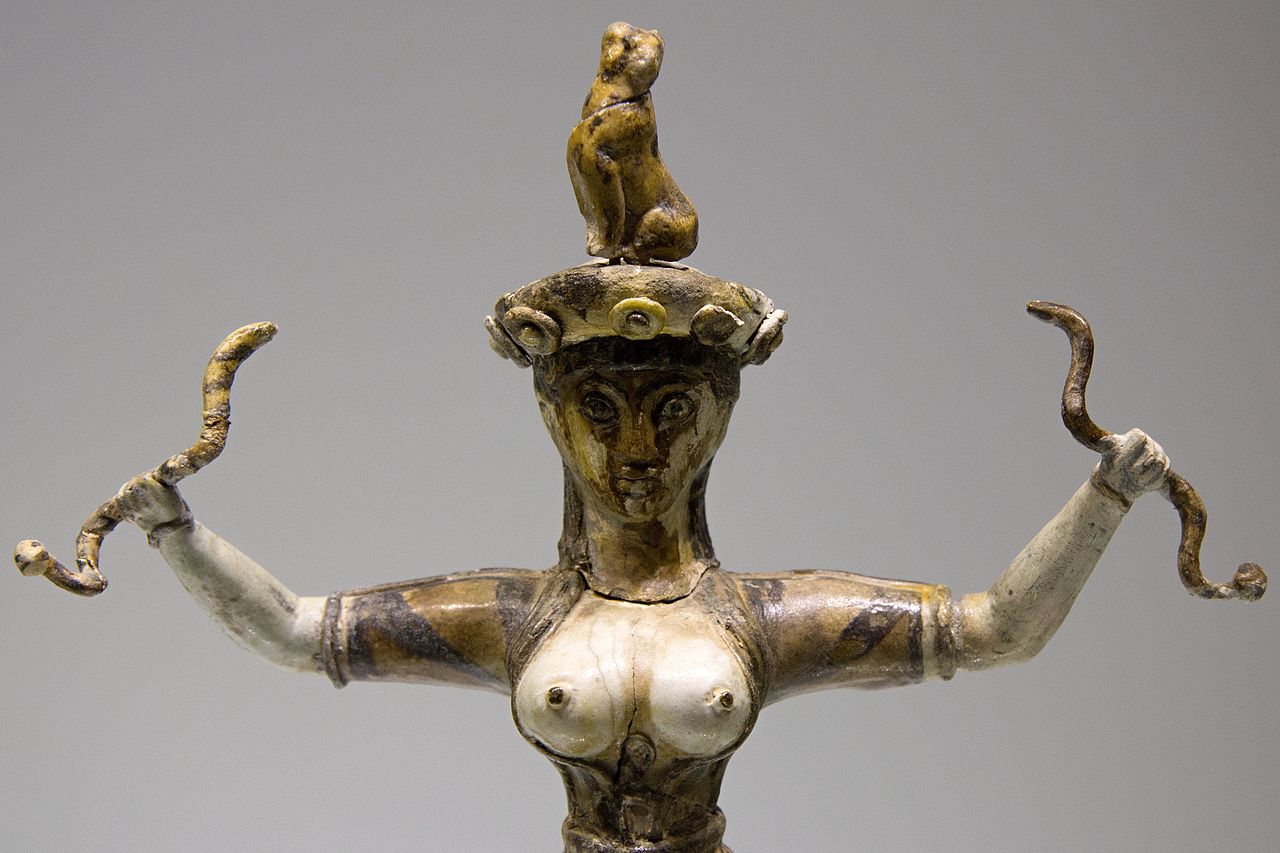
Image taken by: Zde
The Minoan Civilization Crete Religion
The Minoans’ religious beliefs were based on nature and the honoring of goddesses. Unlike many other old cultures, they had more strong female gods than male ones. This shows women could have had important roles in their religion and the way people lived.
Religious ceremonies played a big part in Minoan life. People held these events in many places. You could find them in palace courtyards, on tops of hills, and in caves that were thought to be special or sacred. During these rituals, people gave offerings. There were also processions where people walked together, and they had feasts too. Some sacred symbols, like the double axe and the bull, showed up often in their religious art. Now let’s look closer at their beliefs.
The Minoan Great Mother Goddess and Sacred Symbols
The Minoans worshiped the Earth in all of her forms and aspects. Their Earth Goddess appears to them through ritual practices in several “epiphanies” and with several names. Among them is “Potnia Thiron”, The “Snake Goddess”, and the “Great Mother Goddess” as it is evident through figurines, seal stones, and frescos. It seems, that in the Minoan Civilization, the presence and role of the Great Mother Goddess are very important and dominant. They are clear and present in almost all expressions of everyday life. In fact, the Minoan Fertility Goddess ruled over all forms of life and death.
As the goddess of fertility, the bull was her symbol. As Potnia of the Beasts, she was depicted surrounded by two lions and standing on a high point. Moreover, she was also the goddess of plants and trees and the goddess of the water and the rocks. The Goddess of the underworld aspect and of the chthonic side of life. She was in fact the protector of marriage and the family home. The goddess of the snakes, and therefore of healing and rebirth.
Furthermore, the Goddess was originally worshiped in caves and on the tops of mountains. Later in-house-hold and palatial sanctuaries. In her worshiping the natural rock played a big role, emphasizing her indigenous appearance. The enigmatic Lustral Basins of the Minoan palaces are considered to have been areas to purify and rejoice and were dedicated to the goddess. Her symbols were, apart from the bull, the tree of life, the snake, the star, the pillar, the dove, the lion, the griffin, the double axe, the trident, and a plethora of more.
Religious Ceremonies and Practices
Minoan religious ceremonies were important gatherings for the people in their society. The work of archaeologists and artists helps us to see how these religious practices took place. People did these rituals in the open spaces of the palace courts, in caves that were considered special, or on tops of mountains, which they thought were holy.
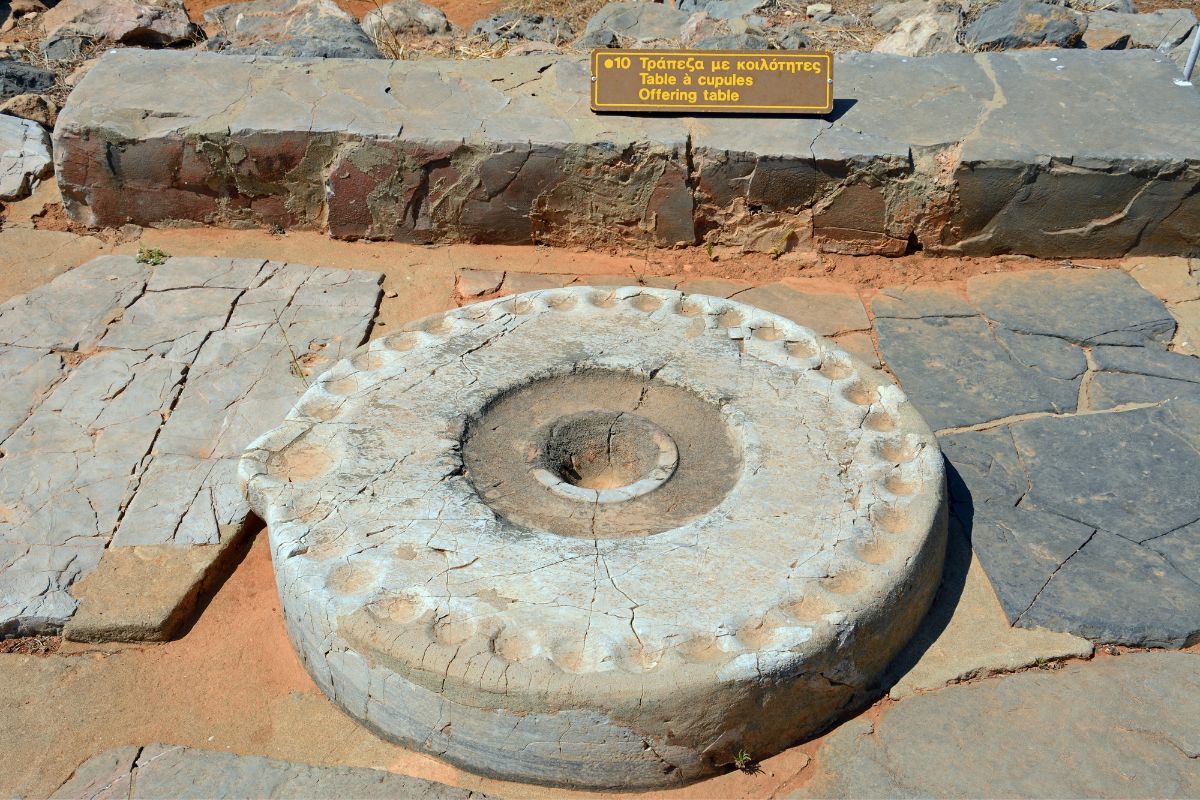
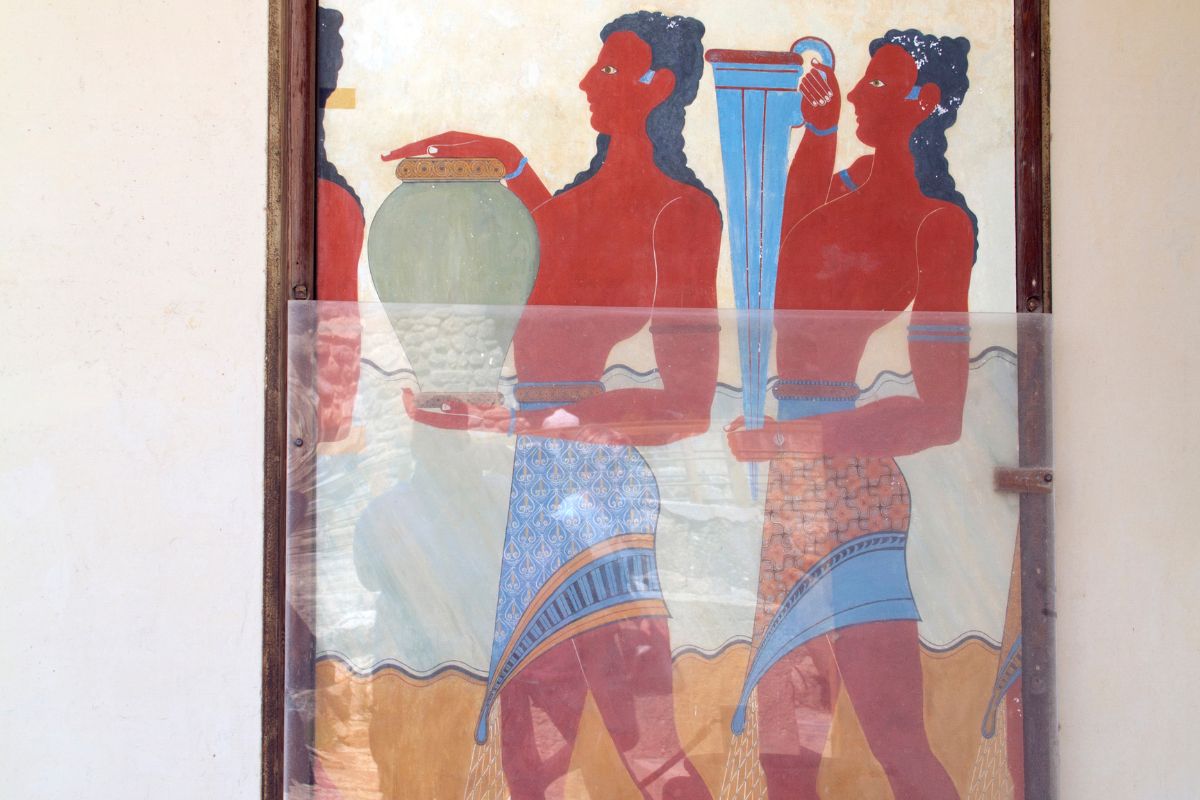
Paintings on the walls show groups of people who bring food and drinks to offer to the gods. Many people would pour drinks as gifts, and there are special paths built just for this. Eating meals together was also an important part of how they celebrated their faith.
Some of the most well-known Minoan religious practices include:
- Bull-Leaping: This was a well-known event or game where people jumped and flipped over a running bull. Many paintings show this happening, and it may have been important in their religion.
- Offerings: The Minoans gave food, drink, and expensive things to their gods at special places.
- Processions: There are paintings of big groups walking together in lines, like they are in a parade. They often carry special holy items.
Minoan Goddess Oriented Experiences Designed by Elissos
Meeting the Minoan Civilization through the exploration of its ancient Religion, we find essentially important for the appreciation of the Minoan Cult and the deeper understanding of the Minoan people. In order to experience the Minoan religion, to the possible extent, a deep connection with the Earth and Land of Crete we find primarily essential. Through our Minoan Goddess Oriented Experiences, you can achieve this unique deeper re-connection. Explore with us Sacred Sites of great importance, Minoan and ancient Greek Arts through our exclusive experiential labs, and unique Nature Paths.
In Central Crete, participate in our Artistic and Spiritual Experience, where you can explore sacred hills, tap into your creativity, and enjoy lunch at one of the most traditional and aristocratic villages of Central Crete. The Great Mother Goddess is linked to Juktas Mountains as she was worshipped on those divine hills for over 2000 years. These sacred landscapes are also connected to Herbs of Crete and other traditions rooted in Rural Crete.
Feel the energy and sense the bond between her and the Minoans that are very much “alive”. After paying a visit to several sacred sites on Juktas, we urge you to continue your Mind-Body-Spirit adventure by uncovering the secrets of ancient Greek theater. As soon as you learn a lot about the origins and development of ancient Greek theater, the more interactive part of this theatrical workshop starts. We urge you to let loose and allow your body to move, as you not only act but also dance and speak in a self-expressional mode.
Minoan Nature Goddess Experience Designed by Elissos
Our Mystical Palace of Zakros in East Crete, offers a complete historical, natural, and spiritual experience. Get in touch with your inner self and meditate around the oldest olive tree in the Mediterranean. Just the sight of it will have you in awe! Take all of your positivity and bring it to the next part of this sacred experience. Hike the Ravine of the Dead! After a 3 hour magnificent hike, you will end up at the entrance of the ancient Palace of Zakros. The mesmerizing scenery will captivate you, as walk around the enormous 4000-year-old palace. Finally, have a mouthwatering Cretan lunch at Kato Zakros where you can discuss all about your day over some local wine.
Minoan Daily Life and Society
Living in Minoan Crete was mostly about daily life for regular people. Mosttimes, we notice the big, grand palaces, but the real heart of Minoan society was how the people lived each day. The people seemed to be well organized. Everyone had different roles, and there was a strong feeling of being together in a group. Life for them was mostly about working on the land, making things with their hands, and trading with others.
Archaeological finds help us learn about family life, the food people ate, and the clothes they wore. These finds show us how people lived each day. People came together for things like religious festivals and sporting events. Let’s look at different parts of daily life for the Minoans.
Family Structure and Social Roles
Minoan society had several social classes. At the top were the upper classes, and these included rulers, priests, priestesses, and wealthy landlords. They lived in large villas. Most people were farmers, artisans, sailors, and laborers. They lived in small stone or mud-brick houses in towns and villages.
The exact setup of the family is not yet fully clear. But art shows that women had a big and clear part in society. You can see them in frescoes, joining in on religious ceremonies and public events. Many times, they are shown in important places. Because of this, some scholars think that Minoan society may have been matrilineal. In this, the family line was traced through the mother.
The social roles were not all the same. Some people worked as craftsmen and made pottery, metal items, and jewelry. Farmers grew olives, grapes, and grain. The work of these farmers was very important for the economy. Scribes had jobs in the palace and kept records on clay tablets. By giving people different jobs, the society was able to work well and get things done together.
Food, Clothing, and Community Activities
The Minoans’ daily life was influenced by what was available on their island. They lived mostly on food from the Mediterranean. Scholars often connect this to Minoan Cuisine, which influenced later Cretan Food still enjoyed today. Olives gave them olive oil. Grapes were used to make wine. They grew grains too. The people also caught fish from the sea and ate fruits and vegetables. This way of eating helped everyone stay healthy and strong.
Minoan clothing stood out from others, as you can see in their old paintings. These styles have inspired modern representations of Cretan Traditional Dress, still seen during festivals. Men would usually have belted loincloths, and women often wore long skirts with several layers. The skirts would go with tops that showed the chest in front. Both men and women are sometimes shown with fancy hair and lots of jewelry. This tells us that people in that society cared a lot about how they looked.
Community activities were a big part of life in Minoan culture. People would get together for religious festivals, processions, and sports. These times helped people feel close to each other and gave them something fun to do.
- Feasts: Public feasts were common, especially at times of religious festivals.
- Sports: The famous bull-leaping show was a big event that drew many people to watch.
- Music and Dance: Art shows people playing instruments and dancing, which means these were things many liked to do.
Writing Systems and Language
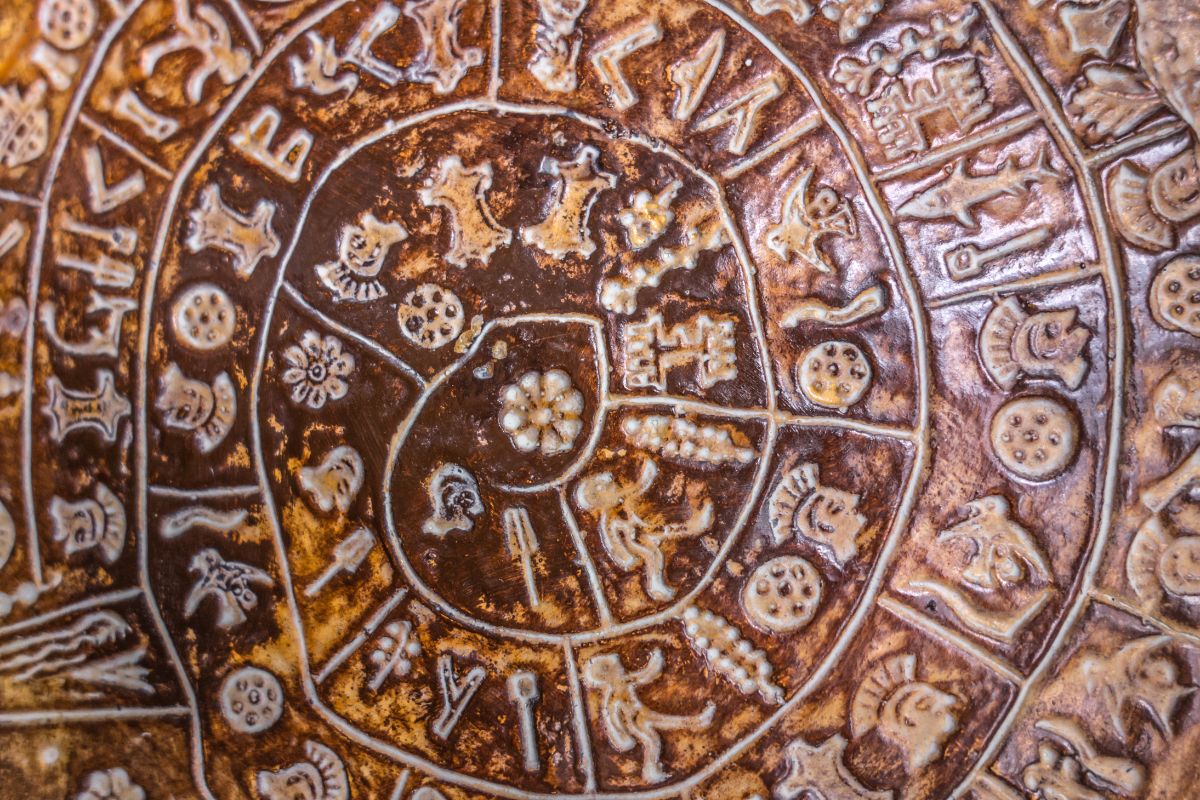
The Minoans were able to read and write. They came up with some of the first ways to write in Europe. The people used two main ways of writing. Today, people call these Linear A and Linear B. They also used an older system with signs that looked like pictures. These ways to write mostly helped people at the palaces keep track of things. The palaces needed to manage their large areas, so they used these records to help with their work.
The mystery about their language still makes many researchers feel inspired. People figured out Linear B in the 1950s, and it turned out to be an early form of Greek. But they still do not understand Linear A. This unknown text keeps the secrets of what was the first Minoan way to talk and share ideas.
Linear A Script
Linear A is the only writing used by the Minoan people that has not been read yet. People used it from around 1850 to 1450 BCE. They found it on clay tablets, seal stones, and other things at palaces like Knossos, Phaistos, and Zakros. The signs in Linear A show sounds made up of more than one letter, and some symbols stand for complete words.
The main use of Linear A was to keep records for the people running the palace. The tablets we have found are mostly lists of things like grain, wine, olive oil, and animals. They show how the people gathered and shared these things. This helps us see that the Minoan economy was very organized.
Because people have not figured out what Linear A says, no one knows the language it shows. This is still one of the biggest puzzles in archaeology. If someone can read Linear A, it will let us see the Minoan language for what it really is and help them understand much more about their society, beliefs, and past. We could learn these things from the Minoans’ own words.
Communication and Record-Keeping
Clear communication and good record-keeping were important to run the busy Minoan economy. The palaces were the main places to handle these tasks. A system was needed to keep track of the many goods coming in and going out. The Minoans made their own writing systems to help with this job.
Scribes used sharp tools to make marks on wet clay tablets. When the tablets dried, they became hard and could be kept for a long time. People used these tablets to write down buys, lists of goods, and payment records. This careful way of keeping records helped the palace workers to handle farming, keep an eye on craft work, and watch over trade in a good and fast way.
In the time after the Mycenaeans took over Knossos, they began using a form of writing called Linear B. This writing was solved by Michael Ventris in 1952. He showed that it is an early kind of Greek. Linear B gives us more details about how things worked during the last years of the great palace age. It also shows how power moved from the local Minoans to the Mycenaeans from the mainland.
Trade and Economy
The Minoan people made a living from the sea. They became great sailors and made a strong army on water. They set up many sea trading routes in the east part of the Mediterranean. Their power in trade reached from Egypt to the Greek mainland. This group of trade helped them make money and let them build their grand palaces.
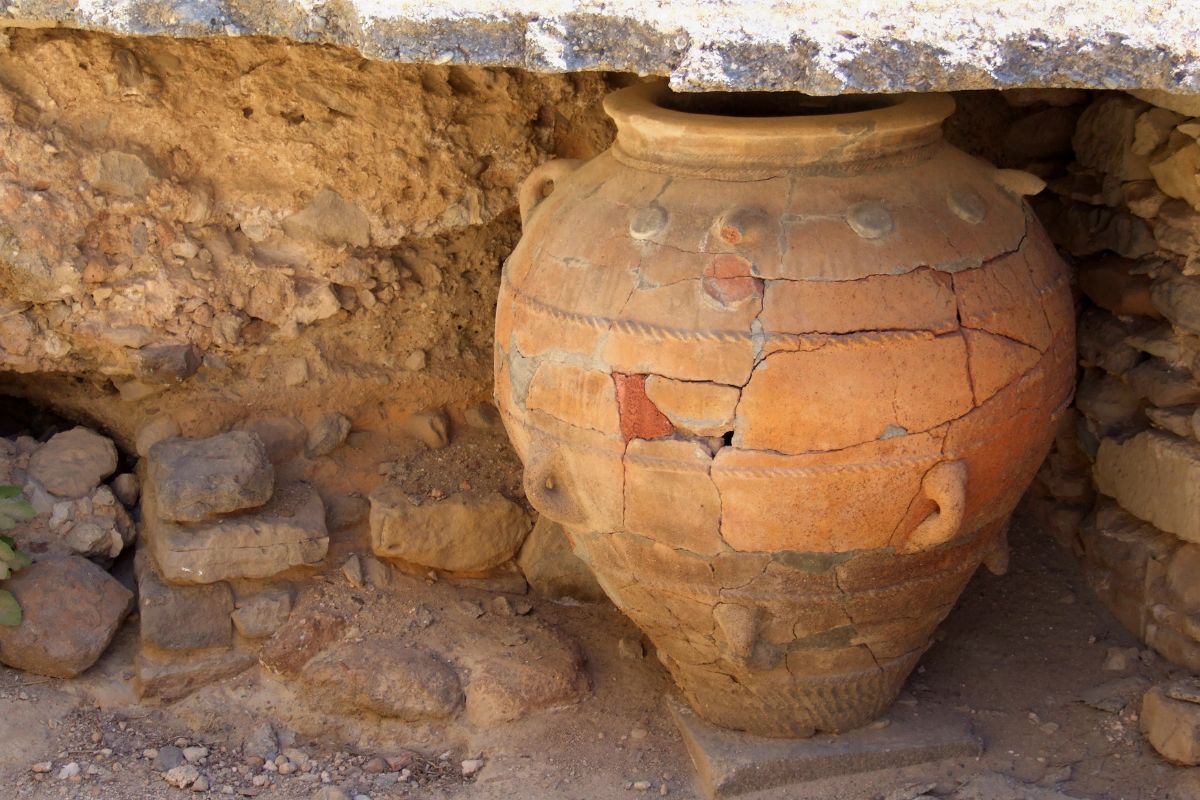
They sent valuable local products like pottery, textiles, and olive oil. These goods are part of the story of farming in Crete, which still shapes the island’s economy and culture today.Olive oil was very important in the ancient world. In return, they brought in raw materials that were not on Crete. This included metals and precious stones. Now, let’s see what goods they sent and received, and the routes they used.
Maritime Trading Routes
The Minoans were great with the sea. They had trading routes that were very advanced for the Bronze Age. Their ships went all across the Aegean Sea. This helped them reach the Cycladic islands. The Minoans set up settlements and trading posts on islands like Thera (Santorini) and Melos.
They did not stay just in the Aegean. To the east, they went and traded with towns along the coast in Anatolia, which is now called Turkey, and with Syria and places in the Levant. To the south, they had a strong and well-known trading link with ancient Egypt. People have found Minoan pottery and other items at old dig sites in many places around the eastern Mediterranean.
This group of sea paths turned Crete into an important place for trade. The Minoans’ skill at finding their way on the water and keeping these ties was the key to their money and how far their ideas spread. They were some of the first big sea powers in Europe.
Goods Exchanged and Economic Influence
The Minoans took part in trade with many different goods. This helped their economy and made their culture grow. They sent out both finished items and extra crops. This showed others how skilled they were and how rich their land was. People around the Mediterranean wanted their special pottery, cloth, and metal items.
They brought in raw materials and fancy goods that people could not find on Crete. These imports were important for their businesses and helped keep the rich happy. This exchange of goods shows that the economy on Crete was smart and well run.
Here are some of the key goods exchanged:
- Exports: They send out olive oil, wine, timber, beautifully crafted pottery, textiles, and herbs.
- Imports: They bring in copper from Cyprus, tin to make bronze, gold, silver, ivory, and precious stones.
This trade made the Minoans rich and strong. It helped their money grow and was very good for them.
Contact and Influence Beyond Crete
The Minoans were not on their own. The Minoans’ trade reached out far and wide to lots of other big groups from the Bronze Age. When these groups got together, they shared goods, thoughts, and ways of living. Minoan style could be seen in places all around the Mediterranean, like in old Egypt and the Greek mainland.
The biggest cultural change was with the Mycenaeans. They would soon be the main group in the Aegean area. You can see the strong Minoan feel in Mycenaean art and buildings. You also see it in their way of writing. Let’s take a closer look at these links.
Connections to Ancient Egypt and the Near East
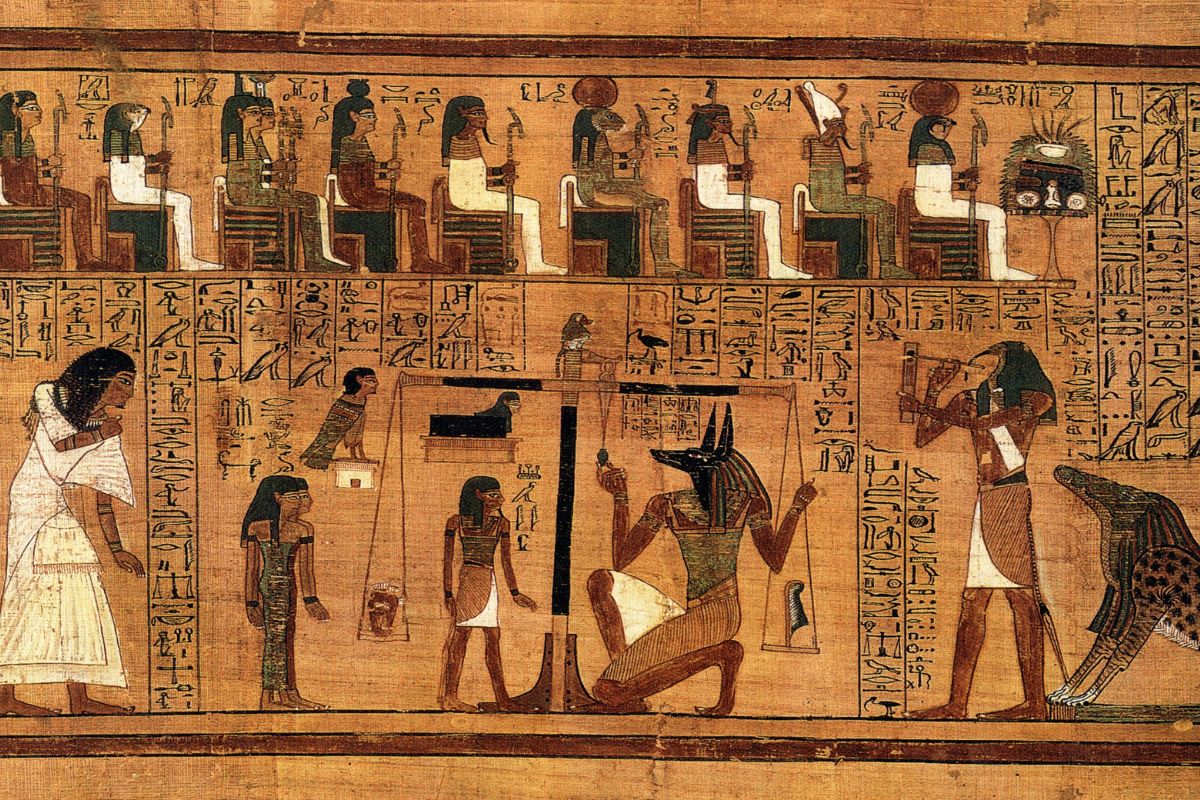
The Minoans had trade ties that lasted a long time with big kingdoms in ancient Egypt and the Near East. In Egyptian tomb art, there are people called “Keftiu.” This is what the Egyptians called people from Crete. They are often shown carrying gifts like wine, reminding us of today’s Wine Tasting Chania Crete experiences and visits to a Winery Chania Crete. These Cretans are carrying gifts that look like they come from the Minoan style. This tells us that the leaders of Crete and the pharaohs of Egypt had an official link.
These links were not only about trade. The Minoans also took up some art styles and skills from Egypt and Syria. They learned ways to work with gold and used some of the same patterns in what they made. In return, Minoan pottery showed up in Egypt and the area known as the Levant. This shows that their well-made goods were liked and valued in other places.
This sharing of culture across the eastern Mediterranean tells us that the Minoans were part of big events and trade back then. The people looked to them. Their ships and traders often showed up in the busy ports of the old world. Many knew their name, and their work was important to all.
Impact on Greek Culture and the Mediterranean
The Minoan civilization left a strong and long-lasting mark on the people of the Greek mainland. This was true especially for the Mycenaeans. The Mycenaean people started to grow while the Minoans were already doing well. The more advanced Minoans affected how the Mycenaeans lived. You can see this in the way Mycenaean art, buildings, and religion look.
The Mycenaean palaces took ideas from Minoan design. Mycenaean artists also used the same pictures, like the octopus and the bull, on their pottery and wall art. The Mycenaeans changed the old Minoan writing, called Linear A, to fit their own words. This new way of writing was called Linear B, and it was the first type of ancient Greek.
Even after the end of their civilization, people remembered the Minoans in ancient Greek stories. The Greeks talked about King Minos, the maze, and the Minotaur. These stories helped keep the feeling of wonder about old Crete alive. Minoan culture was brought into Greek life through the Mycenaeans. It became a big part of what the Greeks built their world on later.
Downfall and Legacy of the Minoan Civilization Crete
Around 1700 BC, the Minoan palaces were destroyed by earthquakes and quickly rebuilt in an even more monumental way. The Minoan rule, however, was to end violently around 1500 BC. Most of the palaces and cities of Crete were destroyed almost simultaneously by earthquakes, without ever being able to really recover. The reasons for the disaster are not clear. The effects of the cosmogenic eruption of Thera volcano a few decades earlier were probably one of them. Nevertheless, the collapse of the Minoan palace system is an extremely complex phenomenon. It is probable that more than one factor is responsible. For example, possible pressures from the developing of the Mycenaean centers, as well as the exhaustion of the limits of the Minoan economy itself.
Possible Causes for Decline
The fall of the Minoan civilization was not caused by just one thing. A mix of problems made their society weak over time. By the middle of the 15th century BCE, most of the big Minoan cities were gone. This was a key moment, and they never got back to how they were before.
One idea that many people talk about is that there were strong natural disasters. The volcanic eruption at Thera, known today as Santorini, happened about 1600 BCE. This was a very powerful event. Even though scientists found that most of the ash did not land on Crete, the eruption may have made tsunamis that hit the Minoan ships and towns near the sea. There were also many earthquakes in the area at the time. These could have knocked down the palaces.
Another top theory is invasion. The growing strength of the Mycenaean Greeks on the mainland was a big threat. A weak Minoan society may not have been able to fight off the Mycenaean invaders. The invaders then took over Knossos and the rest of the island.
- Thera Eruption: This made tsunamis and may have changed the weather.
- Earthquakes: There were many and they could break buildings and roads.
- Mycenaean Attack: Crete was not strong, and the Mycenaeans could take over.
What Remains of Minoan Culture Today
Even though the Minoan civilization ended many years ago, what they left behind can still be seen today. You can find many ruins of the old palaces and towns they built. There are Minoan places like Knossos, Phaistos, and Akrotiri on Santorini that people from all over the world visit. Exploring these sites can be part of broader Experience Crete itineraries, including Crete to do highlights such as beaches, villages, and cultural tours.
The culture of the Minoans had a big effect on people after them. A lot of their art, ideas about religion, and new tools were shared with the Mycenaeans. Because of that, these things also became part of what makes up classical Greek culture. Many stories from ancient Greece talk about Minoan Crete. Some well-known parts are King Minos and the maze called the labyrinth.
Today, items found at these places are kept in many museums. The Heraklion Archaeological Museum in Crete has the world’s most important group of these things. These pretty wall paintings, detailed seal stones, and special pottery still make people feel amazed. They also help us learn more about this early European civilization.
Conclusion
The Minoan civilization Crete made a strong impact on history. They stood out for the great things they did in art, building, and the way they lived. The story of the Minoans starts from when they first began, how they became important, and how they finally faded away. You can see that they shaped later cultures around the Mediterranean Sea in many ways. Their fresh ways of writing, wide trade connections, and special religious steps show us an old world that grew many years ago. When you learn more about the details of this civilization, you see what they gave to the people who came after them. If you feel interested in the Minoans and want to know more about what they left behind, feel free to ask for a free talk. Together, we can go further into their interesting history.
Frequently Asked Questions
What destroyed the Minoan civilization Crete?
The fall of the Minoan civilization around the 15th century BCE happened because of more than one thing. A very big eruption at Thera started disasters like tsunamis. These events hurt the Minoan way of life. This made it easy for the growing Mycenaean culture on mainland Greece to come in and take over.
What ethnicity were Minoans?
Genetic research shows that the ancient Minoans came from farming people who settled on Crete and other Aegean islands about 7000 BCE. These farmers were European and not people from other countries coming in. The Minoan culture grew over a long time on Crete. People lived there for thousands of years and made this way of life.
What is the significance of Knossos Palace in Minoan civilization Crete?
The Palace of Knossos was the biggest and most important palace from the Minoan people who lived on ancient Crete. Many people say it was the main place for politics and religion in their world. The discovery by Arthur Evans showed how big and smart the Minoan people were. The size of the palace and the art found there help us learn about their way of life.